
Plants
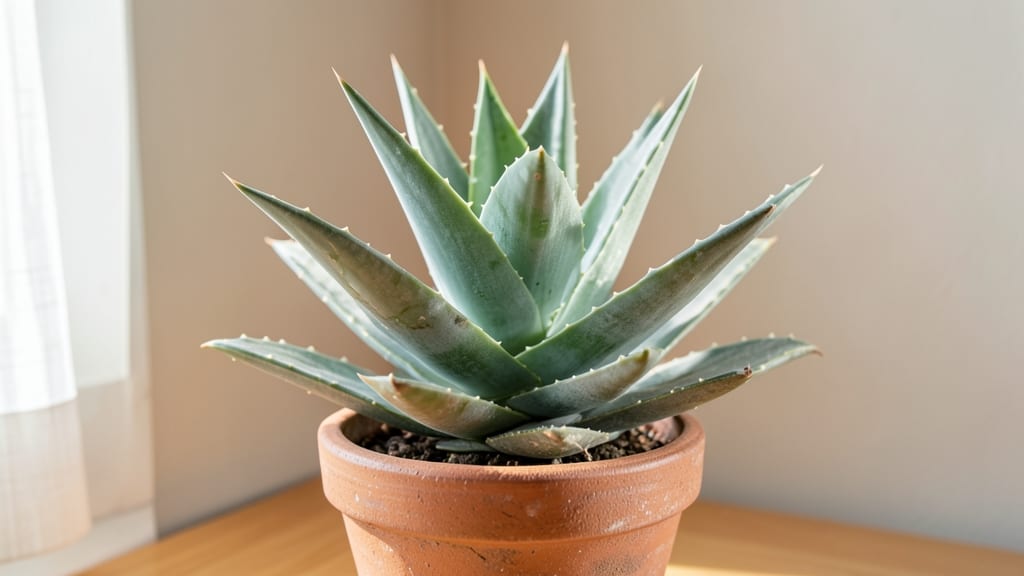
If your 🌵 aloe plant looks sadder than a rainy-day cactus, you might be getting its light needs all wrong.
The truth is, how much light does an aloe plant need is simpler than you’d think—and getting it right could mean the difference between a thriving succulent and one that’s barely hanging on.
Most people assume aloe needs full sun all day, but that’s actually a common mistake. While these hardy plants love bright conditions, they’re far from sun worshippers.
In fact, 3-4 hours of direct sunlight is often all they need to stay happy, especially in USDA Zone 6a where spring planting begins in March.
Too little light and your aloe stretches out like a sleepy cat, while too much can scorch its leaves faster than you can say “sunburn.” The key is finding that sweet spot—whether you’re growing it indoors near a south-facing window or outdoors in your garden.
Don’t worry if you’ve messed up before. I’ll walk you through exactly how to adjust light conditions, spot the warning signs, and keep your aloe looking fresh year-round. Let’s get your plant glowing!

Optimal sunlight requirements for aloe vera growth and health
Aloe plants thrive under bright, direct sunlight, making them perfect for sunny windowsills or outdoor gardens. While they can tolerate partial shade, too little light leads to weak, leggy growth. Aim for 6–8 hours of sunlight daily—this is their sweet spot for vibrant, healthy leaves.
If you're growing aloe indoors, place it near a south-facing window where it can soak up morning to afternoon sun. Outdoor plants should receive full sun exposure, especially in USDA Zone 6a or warmer, where frost-free days stretch from April to October.
In summer months, aloe plants may need afternoon shade to prevent sunburn, especially in intense heat. Watch for yellow or brown leaf tips—this is often a sign of too much direct sun or dehydration.
During winter, when daylight is shorter, supplement with a grow light for 4–6 hours daily if natural light drops below 4 hours. This keeps your aloe from stretching or losing its deep green color.
Here’s a quick breakdown of what your aloe needs to thrive:
| Light Requirement | Specification |
|---|---|
| Daily Sunlight | 6–8 hours of direct or bright indirect light |
| Best Window Placement | South-facing for maximum exposure |
| Indoor Light Needs | Bright indirect light; supplement with grow lights if needed |
| Outdoor Light Needs | Full sun (6+ hours); shade in peak afternoon heat |
| Signs of Too Little Light | Leggy growth, pale leaves, weak stems |
| Signs of Too Much Light | Brown patches, crispy edges, sunburn |
For indoor aloe plants, rotate the pot quarter-turn weekly to ensure even light exposure. This prevents one side from leaning toward the window, which can cause uneven growth.
Outdoor aloe plants benefit from morning sun and afternoon shade during hot summers. If you notice yellowing leaves, move the plant to a slightly shadier spot or provide afternoon shade with a sheer curtain.
In winter months, aloe plants enter a dormant phase. Reduce watering and ensure they still receive at least 4 hours of light daily. If natural light is insufficient, a LED grow light placed 6–12 inches above the plant can mimic sunlight effectively.
Remember, aloe plants are drought-tolerant, but they won’t thrive without adequate light. If your plant starts looking weak or stretched, it’s time to reassess its light conditions and make adjustments.
How to adjust light conditions for indoor vs. outdoor aloe plants
Adjusting light conditions for your aloe plant depends entirely on whether it's indoors or outdoors. Indoor aloe plants often struggle with low natural light, while outdoor plants may face intense midday sun that can cause damage.
Let’s break down the best approaches for each setting to keep your aloe thriving.
For indoor aloe plants, the key is finding the brightest spot in your home. A south-facing window is ideal because it provides the most consistent sunlight.
If your home lacks natural light, consider placing your aloe near a west-facing window for afternoon sun or a east-facing window for morning light.
Outdoor aloe plants, on the other hand, thrive in full sun conditions but may need protection during peak summer hours. In USDA Zone 6a, place your aloe in a spot where it receives morning sun (8 AM–12 PM) and afternoon shade (1 PM–4 PM) to avoid scorching.
A partial shade cloth or even a sheer curtain can help filter harsh afternoon rays.
If you notice your outdoor aloe developing brown patches or crispy edges, it’s a clear sign of too much direct sun. Move it to a slightly shadier spot or provide afternoon shade.
Conversely, if the plant looks stretched or pale, it’s not getting enough light—consider relocating it to a sunnier spot or using a reflective surface (like a white wall) to bounce more light onto the leaves.
For indoor grow lights, opt for full-spectrum LED bulbs placed 6–12 inches above the plant. Run them for 12–14 hours daily to mimic natural daylight. Rotate the plant quarter-turn weekly to ensure even growth and prevent it from leaning toward the light source.
In winter months, when natural light is scarce, extend your aloe’s exposure with a grow light timer. This ensures consistent light levels and prevents the plant from entering a dormant phase too early.
Even a simple LED desk lamp can work if placed close enough to provide bright, indirect light.
Pro tip: If your aloe is outdoor-bound but you’re unsure about sunlight intensity, start with 3–4 hours of morning sun and gradually increase exposure over 1–2 weeks. This helps the plant acclimate without risking sunburn. Monitor its progress and adjust as needed!