
Plants
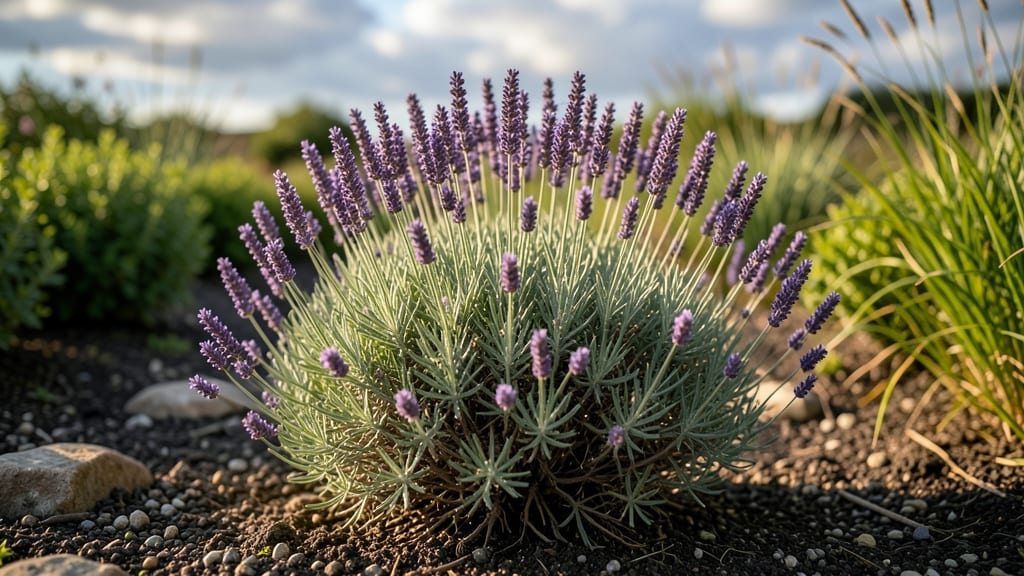
If your lavender plant looks leggy or refuses to bloom, you might be getting its light needs all wrong. The key to vibrant lavender isn't just any sunlight—it's 6+ hours of direct rays daily, and skipping this can turn your fragrant garden star into a sad, sparse shrub.
Lavender 🌿 thrives in full sun, but not every garden gets equal exposure. In hot climates like Zone 6a, afternoon shade can prevent scorching, while container plants might need strategic placement to catch those golden hours.
Let me show you how to balance sun and shade for the perfect lavender growing conditions.
What happens when lavender doesn’t get enough light? Weak stems, pale leaves, and fewer flowers—basically, the opposite of what you planted for. But here’s the good news: with a few simple adjustments, you can transform your struggling lavender into a fragrant, blooming powerhouse.
Whether you're planting in spring or troubleshooting an existing bush, I’ll walk you through everything—from ideal sunlight placement to regional tweaks—that’ll have your lavender thriving in no time.

Lavender light requirements: the ideal sun exposure for healthy growth
Lavender is a sun-worshipper, and its light requirements are non-negotiable for that signature fragrance and purple blooms. The gold standard is 6-8 hours of direct sunlight daily, but some varieties can tolerate 5 hours minimum—just don’t expect the same lush growth.
Without enough light, lavender becomes leggy, sparse, and prone to flopping over, losing its compact, bushy shape.
Think of lavender like a Mediterranean native—it evolved in bright, dry climates where sunlight is abundant. In USDA Zone 6a or warmer, full sun exposure (like a south-facing garden bed) is ideal.
But here’s the catch: afternoon shade in scorching climates (like Arizona or Southern California) can prevent leaf scorch while still meeting the 6-hour minimum.
| Light Requirement | Ideal Exposure | Consequences of Too Little | Consequences of Too Much |
|---|---|---|---|
| Minimum Daily Sun | 6+ hours direct | Leggy stems, sparse blooms | Leaf scorch (hot climates) |
| Optimal Range | 6-8 hours direct | Healthy growth, strong fragrance | None (with afternoon shade) |
| Partial Shade Tolerance | 3-5 hours direct (variety-dependent) | Weak stems, fewer flowers | Minimal (if humidity is low) |
| Shade Adjustments | Dappled light + grow lights | Reduced oil content | None (if humidity is low) |
Seasonal shifts matter too. In spring and fall, lavender thrives with full sun as temperatures are milder. But during summer’s peak heat, especially in Zone 7b+, afternoon shade (like a lattice or nearby tree) can protect leaves while still delivering the 6-hour minimum.
Geography plays a role too. In cooler climates (like the Pacific Northwest), lavender can handle full sun year-round without scorching. But in hot deserts, morning sun paired with afternoon shade is key.
Always monitor your plant’s foliage color: bright green means happy; pale or yellowing means it’s light-deprived.
Pro tip: Container lavender needs extra attention. Rotate pots weekly to ensure even sun exposure, and place them on elevated surfaces (like a patio table) to maximize light capture.
South-facing windowsills work for indoor lavender, but supplement with a grow light for 4-6 hours daily if natural light falls short.
Watch for these red flags: Stretched stems or pale leaves scream "more light!" while crispy edges mean it’s getting too much intense sun. Adjust gradually—lavender hates sudden light changes, which can stress the plant and stunt growth.
Remember, lavender’s fragrance and oil content peak with optimal sunlight. Skimp on light, and you’ll miss out on that luxurious scent and therapeutic properties that make lavender a garden superstar.
Now that you know the sunlight secrets, let’s tackle how to position your lavender for success—whether in a garden bed or container.
How to provide perfect sunlight for lavender: practical tips for containers and gardens
Positioning your lavender for optimal sunlight depends on whether it's planted in-ground or in a container. In-ground lavender needs a south-facing spot with unobstructed morning sun and afternoon shade in hot climates like Zone 6a.
If your garden lacks direct sun, consider a semi-dwarf variety like 'Munstead' that tolerates partial shade better.
For container-grown lavender, mobility is your best friend. Place pots on a sunny patio or balcony where they can follow the sun throughout the day. Rotate pots weekly to ensure even growth and prevent leggy stems from stretching toward light sources.
🌿 Pro Tip: Use reflective surfaces like white gravel or light-colored mulch near your lavender to bounce extra sunlight onto the plant, especially in shady urban gardens. This trick can add 1-2 extra hours of effective sunlight daily.
⚠️ Warning: Common Sunlight Mistakes
- Afternoon Scorch: Avoid placing lavender in intense midday sun without shade—it can burn leaves in Zone 9+ climates.
- Leggy Growth: Stems stretching toward light mean insufficient sunlight (less than 4 hours daily).
- Overcrowding: Dense planting blocks sunlight for inner stems, leading to weak, non-flowering centers.
Fix it: Thin plants to 12-18 inches apart and prune leggy stems to encourage bushier growth.
If your lavender is in a north-facing garden, supplement with a grow light for 4-6 hours daily during winter. LED grow lights with a 6500K color temperature mimic natural sunlight and prevent winter dormancy issues. Position the light 12-18 inches above the plant to avoid heat stress.
For urban gardeners, maximize vertical space by planting lavender in hanging baskets or wall-mounted planters. Choose varieties like 'Lavender 'Grosso' that thrive in small containers (12+ inches deep) and tolerate slightly less sun when reflected light is used.
💡 Seasonal Adjustments: In summer, move container lavender to partial shade (3-4 hours sun) during peak heat (10 AM–2 PM) to prevent wilting. In winter, ensure minimum 6 hours of sunlight to maintain dormancy and prevent dieback.
Test your lavender's light conditions with a simple shadow test: Place a ruler in the soil at midday. If the shadow is longer than 6 inches, your plant isn't getting enough direct light. Adjust placement immediately to avoid stunted growth or flower failure.