
Plants
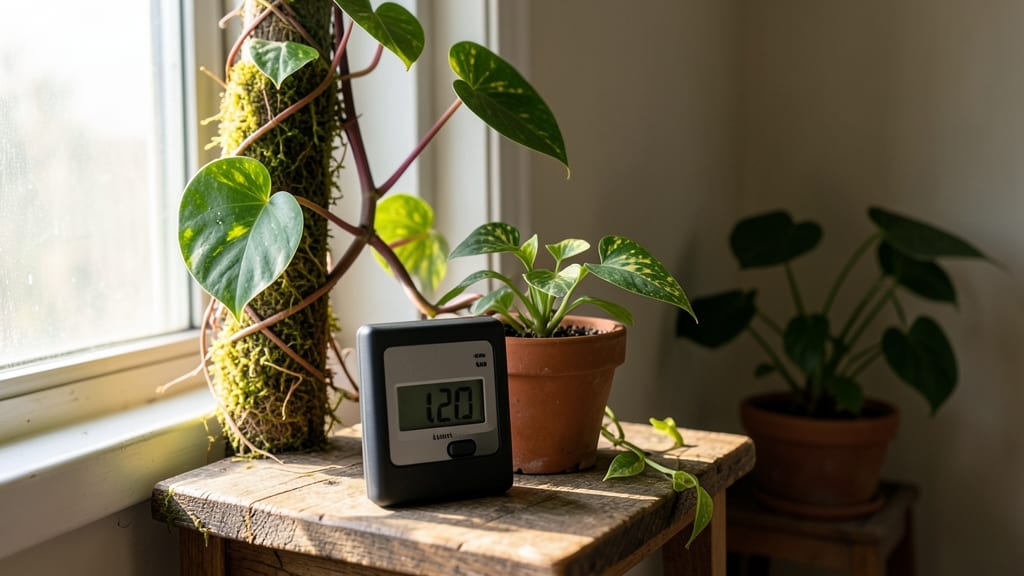
If your philodendron 🌿 is struggling with brown edges or leggy growth, you’re not alone—how much light does a philodendron plant need is the most common question, and the answer is key to its health.
These adaptable plants can handle everything from dim corners to bright indirect spots, but getting the balance wrong turns lush foliage into a sad, sparse mess.
Here’s the secret: bright indirect light is the sweet spot, but even low-light conditions work if you know the signs. Too much sun? Watch for crispy leaf tips.
Too little? Yellowing leaves and stretched stems give it away. I’ll show you exactly how to spot these clues and adjust your plant’s environment—no guesswork required.
Whether you’re dealing with a north-facing window or a shadowy corner, I’ve got practical tips to revive your philodendron. We’ll cover everything from ideal window placement to artificial lighting hacks for low-light spaces, so you can keep those gorgeous leaves thriving year-round.
Ready to transform your plant’s health? Let’s dive into the light conditions that’ll have your philodendron looking its best in no time—without the trial and error.

Philodendron light requirements: the ideal spectrum for healthy growth
Philodendrons are famously adaptable, but their light needs set the foundation for everything else. These tropical vines thrive in low to bright indirect light, making them perfect for homes with limited natural sunlight.
Unlike sun-loving plants, philodendrons hate harsh rays, which can scorch their leaves in minutes. The key is finding that "goldilocks zone" — enough light for growth, but never direct sun.
Most philodendron varieties (like the Heartleaf or Xanadu) do best with 2-4 hours of bright indirect light daily. Think of a spot near an east-facing window where morning sun gently filters through curtains.
West-facing windows can work too, but only if your plant sits 6+ feet away to avoid afternoon intensity. South-facing windows? Those are usually too harsh unless you use sheer curtains to diffuse the light.
Here’s how to visualize ideal lighting: Imagine standing under a dappled forest canopy—that’s the kind of filtered light philodendrons crave. Artificial grow lights can mimic this perfectly for rooms without windows, but we’ll dive deeper into those solutions later.
For now, focus on these three light zones and how they affect your plant’s health.
| Light Level | Ideal Conditions | Window Placement | Growth Impact |
|---|---|---|---|
| Low Light | North-facing windows or 10+ feet from any window | 2-3 ft from window | Slow growth, dark green leaves |
| Medium Light | East/west-facing windows or 5-10 ft from south window | 3-6 ft from window | Balanced growth, vibrant foliage |
| Bright Indirect | Sheer curtains on south/west windows or grow lights | 6+ ft from window | Fast growth, variegated patterns |
Pro tip: Rotate your philodendron quarterly to ensure even light exposure. Plants naturally lean toward their light source, and uneven growth can make them look lopsided. A simple 180-degree turn every 3 months keeps their vines growing uniformly.
This is especially important for trailing varieties like Philodendron Brasil, which can become top-heavy if one side gets more light.
If you’re unsure about your space’s light levels, try this shadow test: Place a white piece of paper near your potential plant spot during the brightest part of the day. If the shadow is crisp and dark, it’s too direct.
If it’s faint or nonexistent, your philodendron will thrive there. For office spaces or bathrooms with no windows, LED grow lights (like the Sylvania Grow Lux) are game-changers for keeping philodendrons happy year-round.
Remember, philodendrons are survivors—they’ll grow in near-darkness (though slowly) and bounce back from light burns if caught early. The goal isn’t perfection; it’s finding the sweet spot where your plant stays lush, green, and eager to grow.
Start with medium light, observe how your specific variety responds, and adjust gradually. Patience is key—these plants reward slow, thoughtful care with vibrant new leaves and dramatic vines.
For variety-specific needs, Heartleaf philodendrons tolerate the lowest light, while Split-Leaf (Philodendron bipinnatifidum) varieties crave the brightest indirect spots. Always check your plant’s tag or research its exact species—some hybrids are bred for higher light tolerance.
The more you learn about your philodendron’s light preferences, the easier it becomes to create the perfect environment.
🌿
Philodendron light requirements: the ideal spectrum for healthy growth
Philodendrons are masters of adaptability, but their light needs can be confusing. While they tolerate low-light conditions, they truly thrive in bright indirect light. Think of it like a cozy reading nook—your plant wants gentle, filtered sunlight, not harsh midday rays.
This balance prevents those dreaded brown leaf tips while encouraging lush, vibrant growth.
The key is understanding your home’s light spectrum. North-facing windows provide the safest, most consistent indirect light for philodendrons. East-facing windows work too, especially in morning hours, while west-facing spots can get too intense unless you add a sheer curtain.
South-facing windows? Those are usually too harsh unless your plant is at least 3-4 feet away.
| Light Condition | Best Window Placement | Distance from Window | Growth Result |
|---|---|---|---|
| Low Light | North-facing or interior rooms | No direct sun | Slow growth, dark leaves |
| Medium Light | East or west-facing | 2-3 feet away | Balanced growth, healthy leaves |
| Bright Indirect | North-facing with sheer curtain | 1-2 feet away | Fastest growth, vibrant leaves |
For low-light spaces, consider supplementing with grow lights. LED grow bulbs (6000K-6500K) placed 6-12 inches above your plant mimic natural light perfectly. Run them for 12-14 hours daily to maintain healthy growth.
Even a simple fluorescent bulb can make a difference if your philodendron is struggling in a dim corner.
Pro tip: Rotate your plant quarter-turn weekly to ensure even light exposure. This prevents lopsided growth where leaves stretch toward the light source. I’ve seen philodendrons develop dramatic "leaning" habits when kept in one spot too long—turning them regularly keeps their growth balanced and compact.
Remember, philodendrons are forgiving plants. If you accidentally give yours too much light, move it back immediately. The damage (like crispy edges) is usually reversible with proper care.
The goal is consistency—find that sweet spot where your plant feels cozy but stimulated, and you’ll reward yourself with stunning, healthy foliage all year round.