
Plants
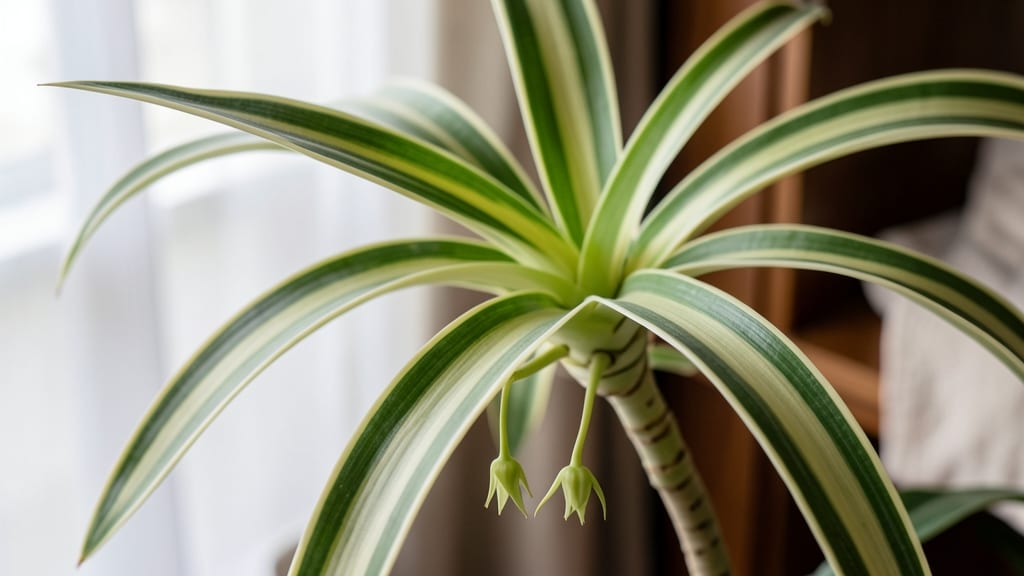
If your 🕷️ spider plant keeps looking sad and stretched out, you might be getting how much light does a spider plant need? wrong—and it’s easier to fix than you think.
These hardy plants thrive in conditions most homes already have, but too much direct sun or too little light can turn them into a shadow of their happy selves.
The good news? Spider plants are forgiving, but they do have preferences. They love bright, indirect light—think of it as a cozy reading nook where sunlight filters through a sheer curtain.
Too little light, and you’ll see weak stems and sparse leaves. Too much direct sun, and those pretty variegated stripes can turn brown.
I’ve helped countless plant parents revive their spider plants by tweaking just one thing: their spot. Whether you’re dealing with a dim corner or a south-facing window, I’ll show you exactly how to create the perfect balance. Let’s get your plant flourishing in no time.
Ready to transform that leggy plant into a bushy, vibrant beauty? The key starts with understanding its light needs—and trust me, it’s simpler than you’d expect.

Ideal light requirements for spider plants: low to bright indirect light explained
Spider plants (Chlorophytum comosum) are famously adaptable, but their light needs are the foundation of their health. Unlike sun-loving succulents, they thrive in bright indirect light, making them perfect for indoor spaces with filtered sunlight.
Too much direct sun causes leaf burn, while too little slows growth and reduces those iconic spiderettes (baby plants).
Most homes can provide ideal conditions with simple adjustments. East-facing windows offer gentle morning light, while north-facing windows provide consistent indirect light all day. South-facing windows can work, but you’ll need to filter the light with sheer curtains or place the plant 3+ feet away to avoid harsh rays.
The best light range for spider plants is 4–6 hours of bright indirect light daily. This mimics their natural habitat under dappled forest light. If your home lacks natural light, grow lights (LED or fluorescent) can supplement with 12–14 hours of light per day.
Position the light 6–12 inches above the plant and adjust the height as it grows.
Window placement matters more than you might think. A north-facing window provides consistent, gentle light year-round, while a south-facing window can be too intense unless you use a light-filtering curtain.
Test your spot by observing how the light changes throughout the day—ideal spots have soft, diffused light without harsh shadows.
Outdoor gardeners can also grow spider plants, but they prefer partial shade (e.g., under trees or on porches with afternoon shade). Avoid placing them in full sun, where temperatures exceed 80°F (27°C), as this stresses the plant.
If you’re unsure about your outdoor spot, start with morning sun + afternoon shade and monitor for stress signs.
Pro tip: Rotate your spider plant quarter-turns every 2–4 weeks to ensure even light exposure. This prevents one-sided growth and keeps the foliage lush. If you notice leaves leaning toward the light, it’s a clear sign your plant needs to be repositioned or rotated.
Remember, spider plants are forgiving—they’ll survive in low light, but they’ll thrive in bright indirect conditions. The key is observing your plant’s leaf color, growth rate, and spiderette production. Adjust gradually, and you’ll find the perfect balance for your green friend.
🌱
Ideal light requirements for spider plants: low to bright indirect light explained
Spider plants are masters of adaptability, but they truly shine—literally—when given the right amount of bright indirect light. Think of it like a perfect coffee blend: too weak, and it’s bland; too strong, and it’s bitter.
For these plants, 4-6 hours of filtered sunlight daily is ideal, but they can handle less if needed.
If you’re wondering how much light does a spider plant need?, start by observing your home’s natural light patterns. East-facing windows provide gentle morning sun, while north-facing windows offer consistent, soft light throughout the day.
South or west-facing windows can be too intense unless you use a sheer curtain to diffuse the rays.
Here’s the breakdown of what your spider plant craves: low light (like a dim office) will keep it alive but stunted, while medium light (near a window with filtered sun) encourages steady growth.
For the happiest, most vibrant plant, aim for bright indirect light—where sunlight bounces off surfaces but never hits directly.
The key to happy spider plants is observation. If you notice leaves stretching toward the light, it’s begging for more brightness. If the tips turn brown or crispy, it’s getting too much direct sun.
The goal is to mimic their natural habitat—dappled shade under trees—where they receive plenty of light without harsh exposure.
Pro tip: Rotate your plant quarter-turns every 2 weeks to ensure even growth. This prevents lopsided development and helps all sides get equal access to light. Even in low-light conditions, a little rotation can make a world of difference for your spider plant’s symmetry.
Remember, these plants are tough survivors, but they reward you with lush, variegated foliage and those adorable spiderettes when given the right conditions. Start with bright indirect light, and you’ll be well on your way to a thriving, happy plant.