
How To
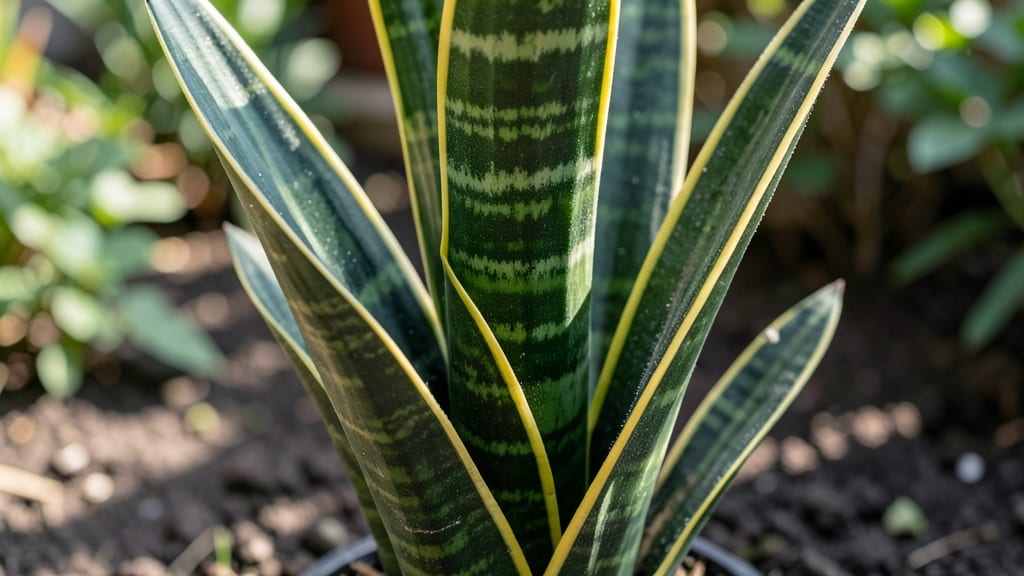
If you've ever glanced at your snake plant 🌱 and wondered how tall this plant can grow, you're not alone. These hardy plants can grow surprisingly tall—some varieties even reaching 4 feet indoors—but their height depends on more than just time and sunlight.
The key to controlling your snake plant's growth lies in understanding its natural tendencies and how your care routine influences them.
Whether you're dealing with a 'Futura Superba' stretching toward the sky or a compact 'Laurentii' staying put, small adjustments can make all the difference in keeping your plant at your ideal height.
In this guide, I'll break down everything you need to know about snake plant height limits, from the fastest-growing varieties to the subtle factors that can stunt or encourage growth.
You'll learn how to recognize when your plant is reaching its genetic ceiling and how to adjust your care routine for the perfect size.
Ready to take control of your snake plant's growth? Let's dive into the secrets of managing height—whether you want a floor-length statement piece or a manageable tabletop companion.

Snake plant height limits: how tall can they grow indoors?
If you’ve ever glanced at your snake plant and wondered whether it’s about to touch your ceiling, you’re not alone. These hardy succulents can grow taller than most people expect—sometimes reaching heights that surprise even experienced plant parents.
On average, a mature snake plant (Sansevieria) can grow between 1 to 4 feet tall, depending on the variety and growing conditions. But with the right care, some varieties can even stretch beyond that, especially in spacious environments.
Understanding your snake plant’s genetic growth potential is key to managing its height. Most common varieties, like the ‘Laurentii’ or ‘Futura Superba’, typically max out around 3 to 4 feet indoors.
However, if you’ve ever seen a snake plant in a greenhouse or sprawling across a large windowsill, you might notice it can grow even taller—sometimes up to 6 feet or more—given enough space and optimal conditions.
Here’s the catch: indoor growth is often limited by pot size, light exposure, and temperature. Unlike their outdoor counterparts, which can stretch toward the sun more freely, potted snake plants frequently hit a height ceiling unless you actively encourage vertical growth.
The good news? You can control their height with simple adjustments to their care routine.
🌱
| Variety | Average Indoor Height | Max Height (Ideal Conditions) | Growth Notes |
|---|---|---|---|
| ‘Laurentii’ | 2-3 ft | 4-5 ft | Slow-growing; variegated leaves |
| ‘Futura Superba’ | 3-4 ft | 5-6 ft | Tallest variety; upright growth |
| ‘Hahnii’ (Bird’s Nest) | 1-2 ft | 2-3 ft | Compact; trailing habit |
| ‘Moonshine’ | 2-3 ft | 3-4 ft | Bright yellow-green leaves |
| ‘Twist’ | 1.5-2.5 ft | 3 ft | Twisted leaves; slower growth |
One of the biggest misconceptions about snake plants is that they’ll grow uncontrollably tall if left alone. While they are slow growers, their height is largely determined by their genetics and environment.
For example, the ‘Futura Superba’ variety is naturally taller than the ‘Hahnii’, which stays compact and bushy. If you’ve noticed your snake plant stretching toward a window or light source, it’s likely searching for more bright, indirect light—a common sign it’s ready to grow taller.
Another factor to consider is the age of your plant. Younger snake plants grow more slowly, often reaching only 1 to 2 feet in their first year.
However, as they mature—typically between 2 to 3 years old—they’ll start to stretch more aggressively, especially if they’re root-bound or in a cramped pot. This is when you’ll see the most dramatic height increases, sometimes adding a foot or more per year under ideal conditions.
If you’re worried your snake plant is getting too tall for your space, don’t panic. There are simple ways to manage its height, such as repotting it in a larger container or pruning it back to encourage bushier growth.
The key is to monitor its progress and adjust its care routine before it becomes unmanageable. For instance, if you notice new leaves growing at the base but the plant is still lanky, it might be time to trim the top and propagate the cuttings.
🪴
Recognizing when your snake plant has reached its genetic height limit is easier than you think. Look for signs like older leaves turning yellow or brown at the base, which indicates the plant has slowed its vertical growth.
Additionally, if the leaves start curling or drooping, it may be struggling to support its own weight—a clear sign it’s time to prune or repot. By paying attention to these cues, you can ensure your snake plant stays healthy and at a height that works for your home.
For those living in small apartments or urban spaces, there’s no need to worry about your snake plant becoming a towering giant. With the right care—like choosing a compact variety or keeping it in a smaller pot—you can easily keep it under 3 feet tall.
On the other hand, if you’re a plant enthusiast with a sunroom or greenhouse, you might just end up with a 6-foot-tall statement piece that becomes the centerpiece of your space.
5 Factors that control snake plant height (and how to adjust them)
Your snake plant’s height isn’t just luck—it’s science! Five key factors determine whether your Sansevieria stretches toward the ceiling or stays compact. Understanding these will help you control growth and keep your plant at your ideal size.
Let’s break down the biggest influencers and how to tweak them for your space.
First, light exposure is the #1 growth regulator. Snake plants crave bright indirect light, which fuels vertical growth. Place yours near an east or west window for optimal results.
Too little light? Your plant will grow slow and leggy. Too much direct sun? It may scorch and stunt growth. Balance is key!
Next, pot size plays a surprising role. Root-bound snake plants grow taller as they compete for space. If your plant’s leaves are reaching for the sky, it’s time to upgrade the pot—but only by 1-2 inches in diameter.
Overpotting can lead to soggy soil and root rot, so choose containers with drainage holes and well-draining soil.
Place in bright indirect light (east/west windows). Avoid direct midday sun to prevent leaf burn.
Use pots 1-2 inches larger than the root ball. Overpotting causes soggy soil and slower growth.
Use a well-draining mix (60% cactus soil + 40% perlite). Compacted soil restricts roots and encourages taller growth.
Trim leggy leaves at the base to encourage bushier growth. Prune in spring or early summer for best results.
Keep temps between 60-85°F. Cooler temps slow growth, while heat speeds it up—ideal for compact growth.
Don’t forget that soil quality affects height too. Snake plants thrive in fast-draining mixes with perlite or sand. Heavy, clay-based soils restrict roots, forcing the plant to grow taller to access nutrients.
Mix 60% cactus soil with 40% perlite for the perfect balance. Pro tip: Add a handful of orchid bark to improve aeration!
For urban gardeners with limited space, here’s a growth hack: Rotate your pot quarter-turns every 2 weeks. This ensures even light exposure and prevents lopsided growth.
Pair this with regular pruning (every 6-12 months) to keep your snake plant at a manageable height. With these tweaks, you’ll avoid the "sky-scraper snake plant" dilemma!
Finally, temperature plays a subtle but important role. Snake plants grow fastest in warmth (70-85°F), but they tolerate cooler temps down to 55°F. If your home stays consistently cool, your plant’s growth will naturally slow, keeping it shorter.
Conversely, heat-loving varieties like Sansevieria 'Futura Superba' may stretch taller in warm climates.
By mastering these five factors, you’ll have full control over your snake plant’s height—whether you want a compact desk companion or a statement-room centerpiece. Start with light and pot size, then fine-tune with pruning and soil adjustments. Your plant will thank you with healthy, proportional growth! 🌿