
How To
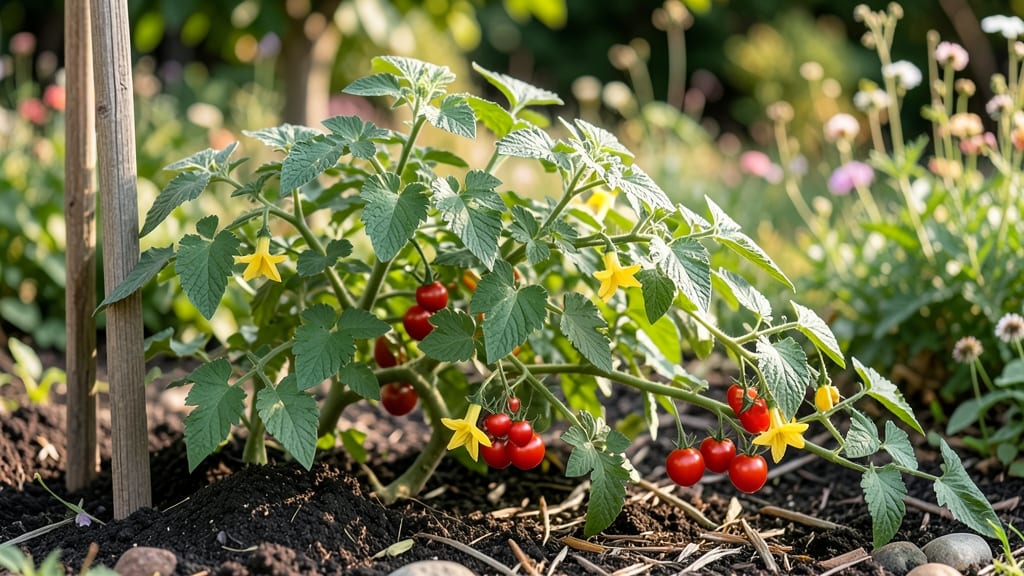
If you're wondering how tall a cherry tomato plant 🍅 can grow, the answer depends on the variety you choose—and it might surprise you! Some compact types stay under 3 feet, while vining varieties can reach towering heights of 6 feet or more without support.
This height difference isn't just about aesthetics—it impacts everything from your garden layout to how you support your plants. Determinate varieties (the bushy types) stay shorter and produce fruit all at once, making them perfect for containers or small spaces.
Indeterminate varieties, on the other hand, keep growing and fruiting all season long, but they'll need help staying upright.
Whether you're working with a small balcony garden or a spacious backyard, understanding these growth habits is key to maximizing your harvest. I'll walk you through the best ways to manage height—whether that means choosing the right variety, installing supports, or pruning for better airflow and fruit production.
Ready to turn your cherry tomato dreams into reality? Let's dive into the details so you can grow the perfect plants for your space, no matter how tall they get!

Cherry tomato plant heights by variety: compact vs. vining types
Cherry tomatoes come in two main growth types: determinate (bushy) and indeterminate (vining), and their heights can vary dramatically. Determinate varieties typically stay between 2 to 4 feet tall, making them ideal for containers or small gardens.
Indeterminate types, however, can grow 6 to 10 feet tall if left unsupported, producing fruit all season long.
If you're working with limited space, dwarf varieties like 'Tiny Tim' or 'Patio Princess' top out around 18 to 24 inches, perfect for balconies or windowsills.
On the other end, sprawling types like 'Sweet Million' or 'Sun Gold' need strong trellises or cages to handle their weight and keep fruits off the ground.
Understanding these differences helps you plan your garden layout. For example, determinate varieties like 'Balcony Red' produce all their fruit at once, while indeterminate types like 'Super Sweet 100' keep fruiting until frost—so your support strategy should match your goals.
Here’s a quick comparison of popular varieties and their mature heights to help you choose the right fit for your space:
| Variety | Type | Mature Height | Best For |
|---|---|---|---|
| Tiny Tim | Determinate | 18-24" | Containers, balconies |
| Patio Princess | Determinate | 24-30" | Small gardens, pots |
| Balcony Red | Determinate | 30-36" | Raised beds, small plots |
| Sweet Million | Indeterminate | 6-10 ft | Trellises, large gardens |
| Super Sweet 100 | Indeterminate | 6-8 ft | Vertical gardens, fences |
| Sun Gold | Indeterminate | 6-10 ft | Trellises, large containers |
Choosing the right variety isn’t just about height—it’s also about your growing conditions. For example, indeterminate varieties thrive with vertical support, while determinate types can handle bushier growth without extra care.
If you’re new to gardening, start with a determinate variety like 'Balcony Red' to build confidence before tackling taller, vining types.
Even if you love the idea of a sprawling indeterminate plant, remember that their height means they’ll need more attention—like regular pruning, staking, and possibly even season-long training. But the payoff? A continuous harvest of sweet, juicy cherry tomatoes all season long!
Pro tip: If you’re growing in containers, opt for dwarf or semi-dwarf varieties to avoid overcrowding and ensure proper airflow. A 5-gallon pot is ideal for most compact cherry tomatoes, while larger containers (10+ gallons) work better for indeterminate types with support.
Now that you know which varieties fit your space, let’s talk about how to support them—whether you’re working with a 3-foot bush or a 10-foot vine. Proper support isn’t just about aesthetics; it’s about maximizing yield and keeping your plants healthy!
When and how to provide support for tall cherry tomato plants
Supporting your cherry tomato plants isn't just about keeping them upright—it's about maximizing their yield and preventing disease. For indeterminate varieties that can reach 6 to 10 feet, proper support is essential.
Even determinate types (3-4 feet) benefit from cages or stakes to keep fruits clean and reduce soil-borne diseases.
The best time to install support is at transplanting, before the plant puts too much energy into vining. For indeterminate varieties, use trellises or stakes that extend at least 6 feet tall—this gives them room to grow without sprawling.
For determinate types, cages or low stakes (3-4 feet) work perfectly.
Here’s a step-by-step guide to setting up support for your cherry tomatoes, whether you’re working with a small balcony pot or a backyard garden:
- Step 1: Choose the right support. Use trellises for indeterminate types, cages for determinate types, or stakes for single plants.
- Step 2: Install supports at transplanting to avoid disturbing roots later. Bury stakes 6 inches deep for stability.
- Step 3: Secure the plant gently to the support with soft ties (avoid wire or tight knots that can damage stems).
- Step 4: Train vines upward by tying them every 12 inches as they grow. This encourages vertical growth and better airflow.
- Step 5: Prune suckers (side shoots) regularly to focus energy on fruit production and keep the plant manageable.
For container gardening, opt for 5-gallon pots with built-in cages or DIY trellises made from bamboo stakes and twine. If you’re growing in a raised bed, use tomato cages or A-frame trellises to save space and keep plants off the ground.
One common mistake is waiting too long to install support. If you delay, the plant may become top-heavy, leading to broken stems or fruit rot from touching the soil. Start early, and your plants will thank you with a bountiful harvest!
Pro tip: If you’re growing in a small space, consider vertical gardening with wall-mounted trellises. This not only saves space but also makes harvesting easier and reduces the risk of pests and diseases reaching the fruit.