
Plants
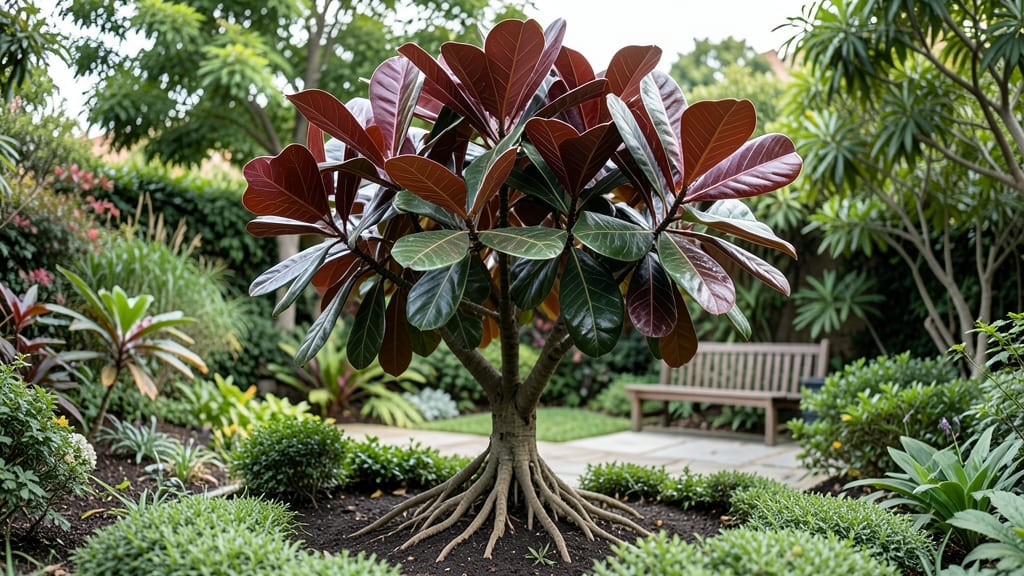
If you've ever wondered just how tall does a rubber plant grow in your home, you're not alone—this glossy-leaved beauty can become a surprisingly tall houseplant if left unchecked.
The 🌿 Ficus elastica thrives indoors but can reach heights of 6-10 feet with proper care, making it a statement piece in any room.
But here's the good news: with the right variety and a few simple care tricks, you can easily manage its growth to fit your space perfectly.
Whether you prefer a compact 2-4 foot dwarf variety or a classic 6-10 foot standard type, understanding its growth habits is key to keeping it at your ideal height.
In this guide, I'll break down exactly what to expect from your rubber plant's growth journey—from its first year of 1-2 feet to its mature height, and how factors like light, pruning, and pot size can shape its size.
You'll also discover how to troubleshoot common issues that make plants grow too tall (or too leggy) and how to fix them.
Ready to turn your rubber plant into a manageable, stylish centerpiece? Let's dive into the secrets of controlling its height so you can enjoy its lush foliage without the ceiling fan worries.

Rubber plant height by variety: how tall they grow indoors
Your rubber plant's mature height depends entirely on the variety you choose. The Ficus elastica family offers stunning options ranging from compact dwarf varieties to towering standard types. Understanding these differences helps you select the perfect plant for your space—whether that's a cozy corner or a bold statement piece.
Most rubber plants reach their full height indoors within 3-5 years, but growth rates vary dramatically. For example, a dwarf variety might max out at 2-4 feet, while a standard type can easily surpass 10 feet if given ideal conditions.
The key is choosing the right cultivar and managing its growth proactively.
Here's a quick look at the most popular rubber plant varieties and their expected indoor height ranges. These estimates assume average care with bright indirect light, moderate watering, and occasional pruning to encourage bushiness.
The 'Robusta' variety, with its deep green leaves, is the most common standard type and often reaches 8-10 feet indoors. Meanwhile, the 'Tineke' variegated variety typically stays between 5-7 feet but requires more light to maintain its striking cream-and-green foliage.
If you're working with limited space, the 'Burgundy' dwarf variety is an excellent choice, maturing at just 2-3 feet while still delivering bold color.
One common misconception is that all rubber plants grow at the same rate. In reality, growth speed varies by variety and care conditions. For instance, a standard Robusta can add 1-2 feet per year under ideal conditions, while a dwarf variety might only grow 6-12 inches annually.
This makes planning your plant's future size much easier once you know which type you're growing.
If you're considering a taller rubber plant for your home, think about ceiling height and clearance. A 10-foot plant will need plenty of vertical space, while a 4-foot variety fits neatly on a bookshelf.
Measure your space before selecting a variety to avoid disappointment—your rubber plant will thank you with years of lush growth!
Pro tip: Pruning can dramatically alter a rubber plant's height. By pinching back the tips of young plants, you encourage bushier growth and shorter stature. This technique works especially well for standard varieties that might otherwise outgrow their welcome.
I'll cover pruning strategies in more detail in the next section, but it's worth noting that even a 10-foot plant can be maintained at 6 feet with regular trimming.
For those with limited sunlight, growth will naturally slow down. Rubber plants in low-light conditions often stay shorter and leggier, reaching only 3-5 feet even after several years.
If you're dealing with dim indoor spaces, consider a dwarf variety or supplement with a grow light to encourage healthier, more compact growth.
Remember, the pot size also plays a role in height control. Smaller pots restrict root growth, which in turn limits how tall your plant can become. For a 6-foot target height, use a 12-inch pot; for a 3-foot plant, an 8-inch pot works perfectly.
The right pot size helps you steer your rubber plant toward your desired height goals.
Rubber plant height by variety: how tall they grow indoors
Your rubber plant's (🌿 Ficus elastica) height depends entirely on the variety you choose—some stay compact while others become towering indoor trees. The standard variety typically reaches 6-10 feet indoors with proper care, but dwarf and variegated types stay much shorter.
Understanding these differences helps you pick the perfect size for your space.
For example, the Black Prince variety grows 6-10 feet tall with deep purple-black leaves, while the Burgundy type stays slightly shorter at 5-8 feet.
If you prefer a smaller statement plant, the dwarf varieties like Tineke (with creamy yellow variegation) max out at 2-4 feet—ideal for shelves or desks.
Here's how different rubber plant varieties compare in mature height:
| Variety | Mature Height (Indoors) | Growth Rate | Best For |
|---|---|---|---|
| Standard (e.g., Black Prince) | 6-10 feet | Moderate (1-2 ft/year) | Large spaces, statement plants |
| Semi-Dwarf (e.g., Burgundy) | 4-6 feet | Moderate (1 ft/year) | Living rooms, hallways |
| Dwarf (e.g., Tineke, White Lady) | 2-4 feet | Slow (6-12 inches/year) | Desks, shelves, small apartments |
| Variegated (e.g., 'White Sunset') | 5-8 feet | Slow-Moderate (1 ft/year) | Sunny rooms, collectors |
Even within varieties, growth varies based on care. A standard rubber plant in a bright, sunny window with regular pruning might stay at 6 feet, while the same plant in low light could stretch to 8-10 feet as it reaches for sunlight.
The key is choosing a variety that matches your space and growth goals.
Pro tip: If you love the look of a tall rubber plant but have limited ceiling height, opt for the Burgundy or White Sunset varieties—they offer striking foliage without the extreme height of standard types.
For the fastest growth, standard varieties thrive with bright indirect light and regular pruning to encourage bushiness.
Remember, rubber plants grow 1-2 feet per year under ideal conditions, so plan accordingly if you're starting with a small cutting.
With the right variety and care, you can enjoy a rubber plant that fits your space perfectly—whether that's a compact 2-foot desk plant or a grand 10-foot indoor tree.