
How To
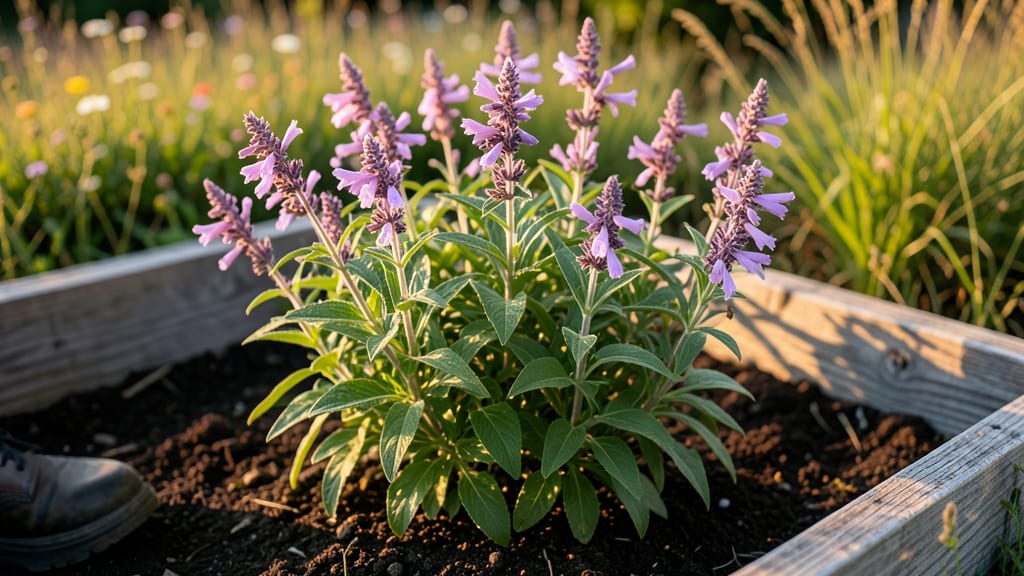
If you're wondering "how tall does obedient plant grow", the answer might surprise you—this easy-care beauty can range from a modest 12 inches to a towering 4 feet, depending on the variety. 🌿 Whether you're planning a cozy window box or a bold garden border, knowing these height differences is key to creating the perfect space for your obedient plant (Physostegia virginiana).
The key to predicting height lies in choosing the right cultivar. Compact types like 'Little Obie' stay neatly under 2 feet, making them ideal for small gardens or containers, while standard varieties can stretch toward 4 feet when given ideal conditions.
This flexibility means you can tailor your garden design to fit any space—no matter how big or small.
But height isn't just about the variety—soil, sunlight, and pruning play major roles too. In USDA Zone 6a, obedient plants planted in spring (April-May) thrive in partial shade and well-draining soil, which can encourage fuller growth.
With the right care, you'll see steady height increases each year, reaching their mature size by the third growing season.
Ready to make the most of your obedient plant's potential? Let's explore how to choose the perfect variety for your garden and the simple steps to keep it at your desired height—whether you prefer a low-growing border or a dramatic backdrop for taller plants.

Obedient plant height by variety: compact vs. tall types
When planning your garden, knowing the obedient plant height by variety is essential. This perennial beauty offers stunning lavender blooms but varies dramatically in size—from petite dwarf types to towering standard varieties. The right choice depends on your space and design goals.
For small gardens or containers, compact varieties like 'Little Obedience' reach just 12-18 inches tall, perfect for window boxes or front borders. Meanwhile, standard types like 'Summer Snow' can soar to 36-48 inches, creating dramatic vertical interest in backyard landscapes.
Here’s how to match your space with the perfect obedient plant variety:
| Variety | Mature Height | Spread | Best For |
|---|---|---|---|
| Little Obie | 12–18" | 12–18" | Containers, window boxes |
| Summer Snow | 36–48" | 24–30" | Backyard borders, tall beds |
| Vivid | 24–30" | 18–24" | Mixed borders, mid-height gardens |
| Pink Flamingo | 24–36" | 18–24" | Pollinator gardens, cottage styles |
Spacing is critical to prevent overcrowding. For dwarf varieties, space plants 12 inches apart in containers or garden beds. Tall types need 24–36 inches of space to thrive without competing for sunlight or nutrients.
Another factor influencing height is growing conditions. Obedient plants in partial shade with well-draining soil tend to grow taller, while full sun exposure can stunt growth slightly but produces more vibrant blooms. If you’re in USDA Zone 6a, plant in spring (April–May) for optimal height development.
Pro tip: Monitor your plant’s growth in its first year. Most obedient plants reach 50% of their mature height by year one, with full size achieved by year three. Regular pruning after blooming helps maintain desired height and encourages bushier growth.
For large gardens, consider 'Summer Snow' or 'Pink Flamingo' for dramatic vertical accents, while 'Little Obie' shines in small spaces or as a container plant on patios. The key is matching the variety to your space and sunlight conditions for the best results.
Ready to pick the perfect obedient plant? Start by measuring your space and checking sunlight exposure—then choose a variety that fits your garden vision perfectly. 🌿
How to control obedient plant height naturally (pruning & care tips)
If you’ve ever wondered how to keep your obedient plant from growing too tall—or encourage it to reach its full potential—pruning is your best friend. 🌿 This low-maintenance perennial responds beautifully to gentle guidance, whether you want a neat, compact shape or a lush, bushy display.
The key lies in timing and technique, so let’s dive into the best ways to manage height naturally.
First, prune obedient plants after they finish blooming (typically in late summer or early fall). This removes spent flowers and encourages new growth for next season. For taller varieties like 'Summer Snow', cutting back by one-third promotes a fuller, more balanced shape.
For dwarf types like 'Little Obie', a light trim keeps them tidy without stunting growth.
- Step 1: Wait until after blooming (late summer) to prune. This prevents cutting off next year’s flowers.
- Step 2: Use clean, sharp pruners to cut back 1/3 of the plant’s height. Focus on woody stems to encourage bushiness.
- Step 3: Remove dead or damaged leaves to improve airflow and reduce disease risk.
- Step 4: For taller varieties, stake plants in early spring to support their height and prevent flopping.
Another way to control height is through pinching. In early summer, gently pinch back the tips of new growth to encourage a more compact, bushy form.
This works especially well for container-grown obedient plants where space is limited. Just be sure to stop pinching by mid-July to allow time for flowering.
Soil and nutrient management also play a role in height control. Obedient plants thrive in well-draining, slightly acidic soil (pH 6.0–7.0). If your soil is too rich in nitrogen, your plant may grow taller but leggier.
Use a balanced fertilizer (10-10-10) sparingly—just once in early spring and again after pruning. Over-fertilizing can lead to excessive height with fewer blooms.
For large gardens, let taller varieties like 'Pink Flamingo' grow wild for a natural, cottage-style look. These plants can reach 36–48 inches when unpruned, making them perfect for backyard borders or wildflower meadows. Just be prepared for wider spread as they mature—up to 3 feet across!
Finally, mulching helps regulate height by keeping roots cool and conserving moisture. Apply a 2–3 inch layer of organic mulch (like shredded bark) around the base of your plant in early spring. This encourages steady, controlled growth rather than sudden height spikes.
With these simple tips, you’ll have an obedient plant that’s just the right height for your garden—whether you prefer a neat, tidy look or a wild, natural display. Happy pruning! ✂️