
How To
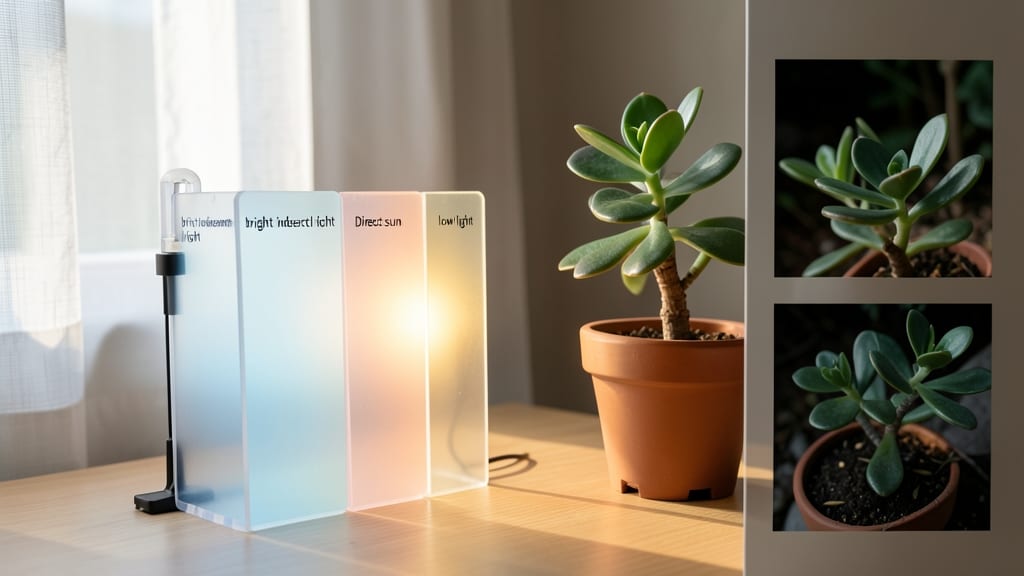
If your jade plant needs how much light to stay happy, you’re not alone—many gardeners struggle with finding the right balance. That stretchy, sun-seeking growth isn’t just a quirky habit; it’s a cry for help.
The key to keeping your jade plant thriving isn’t just plopping it in sunlight—it’s about finding that sweet spot between too little and too much.
Most gardeners overestimate how much light their jade plant needs, leading to leggy growth or crispy brown leaves. I’ll break down the exact light hours your plant craves—whether indoors or outdoors—and how to spot when it’s begging for a change of scenery.
No guesswork, just science-backed tips to keep those plump leaves thriving.
We’ll cover everything from window placement to seasonal adjustments, so you can avoid common mistakes like sunburn or weak stems. By the end, you’ll know exactly how to position your jade plant for stronger growth without risking damage. Let’s get started!
Whether you’re dealing with a south-facing window blast or a dim corner, these insights will help you create the perfect light environment. Your jade plant’s health depends on it—so let’s make sure it gets just what it needs.

Optimal light hours for jade plants: the perfect balance
Jade plants (Crassula ovata) thrive in bright indirect light, but they’re surprisingly adaptable once you understand their needs. Too little light causes leggy growth and pale leaves, while too much can lead to sunburned patches or crispy edges.
The sweet spot? 4 to 6 hours of bright, filtered sunlight per day—think morning sun or dappled shade. This range ensures your plant stays compact, vibrant, and healthy year-round.
For indoor jade plants, an east- or west-facing window is ideal. These windows provide gentle morning or soft afternoon light without the harsh midday sun. If you only have a south-facing window, place your jade plant 2 to 3 feet away to diffuse the intensity.
Avoid north-facing windows—they’re too dim for long-term health, leading to weak, stretched stems over time.
Outdoor jade plants can handle more direct sunlight, especially in cooler climates like USDA Zones 9-11. In these areas, they tolerate up to 6 hours of direct sun daily, but always acclimate them gradually to prevent shock.
Start with 2 hours of sun per day, then slowly increase exposure over 1 to 2 weeks. This mimics natural shade adaptation and reduces the risk of leaf scorch or wilting.
Seasonal adjustments are key. During spring and fall, jade plants enjoy full sun exposure (6+ hours) as temperatures moderate. But in summer’s peak heat, move potted jade plants to partial shade (3–4 hours of direct sun) to protect them from intense midday rays.
In winter, supplement natural light with a grow light if your home feels dim—jade plants enter a dormant phase but still need bright conditions to maintain color and compact growth.
Young jade plants are more sensitive to light than mature ones. Seedlings and cuttings need bright indirect light (like a nursery tray under a grow light) to prevent etiolation (weak, stretched stems).
Once established, mature jade plants can handle more direct sun, but always monitor for signs of stress. A simple trick? Rotate your plant quarter-turns weekly to ensure even light exposure and prevent lopsided growth.
Here’s how to spot light-related issues quickly:
- Too little light: Leaves turn pale green or yellow, stems stretch (etiolation), and growth slows.
- Too much light: Leaves develop brown or crispy edges, fade to reddish-pink, or feel leathery to the touch.
- Perfect light: Thick, glossy green leaves, compact growth, and no signs of stress.
Pro tip: Use a DIY light meter to gauge your space. Hold a white piece of paper near your plant—if the shadow is faint, you’ve got bright indirect light.
If it’s sharp and dark, your plant is getting too much direct sun. Adjust placement accordingly to keep your jade plant happy and thriving.
| Condition | Indoor Light Needs | Outdoor Light Needs |
|---|---|---|
| Ideal Light Type | Bright indirect (east/west window) | Morning sun + afternoon shade |
| Daily Hours Needed | 4–6 hours | 4–6 hours (adjust for heat) |
| Signs of Too Little Light | Pale leaves, leggy stems | Same as indoor |
| Signs of Too Much Light | Brown edges, reddened leaves | Leaf scorch, wilting |
| Best Window Placement | 2–3 ft from south window | Partial shade in summer |
If your jade plant starts showing stress signs, don’t panic—adjustments are simple. Move it to a sunnier spot for leggy growth or shade it further if leaves burn. Remember, consistency is key.
Jade plants adapt slowly to light changes, so gradual shifts (over days or weeks) yield the best results. With the right balance, your jade plant will reward you with thick, vibrant foliage and years of low-maintenance beauty.
For extra peace of mind, place a second jade plant in a different light spot. Compare their growth over 4–6 weeks—the healthier one tells you where your primary plant should live.
This split-testing method removes guesswork and ensures your jade plant gets just the right amount of light to flourish.
🌿
How to test and adjust your jade plant’s light exposure
Diagnosing your jade plant’s light needs starts with a simple visual check. Look for leggy stems or pale leaves—these are clear signs your plant isn’t getting enough light. Conversely, brown edges or reddish-pink hues mean it’s receiving too much direct sun.
These visual cues help you adjust placement quickly before problems worsen. I’ve found that most light issues appear within 2–4 weeks of incorrect exposure, so act fast if you spot these warning signs.
For a precise assessment, try the shadow test. Hold a white piece of paper near your jade plant’s leaves during peak sunlight hours. If the shadow is sharp and dark, your plant is getting too much direct sun.
A faint or blurred shadow indicates bright indirect light, which is ideal. This quick trick eliminates guesswork and gives you an instant read on your plant’s light conditions.
🌿
⚠️ Common Light Mistakes to Avoid
- Sudden light changes: Moving your jade plant from shade to full sun overnight causes leaf burn or wilting. Always adjust light exposure gradually over 1–2 weeks.
- Ignoring seasonal shifts: Summer’s intense rays require partial shade, while winter’s weak light may need supplemental grow lights. Plan ahead for seasonal adjustments.
- Overcrowding near windows: Other plants or curtains can block light without you noticing. Trim nearby foliage or reposition your jade plant to ensure unobstructed light.
Adjusting your jade plant’s light exposure is easier than you think. If your plant shows signs of leggy growth, move it closer to a brighter window or supplement with a grow light for 12–14 hours daily.
For sunburned leaves, relocate it to a shadier spot or use a sheer curtain to diffuse harsh sunlight. I recommend rotating your plant quarter-turns weekly to ensure even growth—this prevents lopsided exposure and keeps leaves uniformly healthy.
Seasonal adjustments are just as critical. In summer, outdoor jade plants thrive with morning sun and afternoon shade, while indoor plants may need partial shade near south-facing windows.
During winter, when natural light dims, place your jade plant within 2 feet of the brightest window or use a LED grow light for 10–12 hours per day. This mimics natural daylight cycles and prevents dormancy-related stress.
Pro tip: Use a second jade plant as a light test subject. Place it in a different spot—like a north-facing window or under a grow light—and compare its growth to your primary plant over 4–6 weeks.
The healthier one reveals the optimal light conditions for your home. This split-testing method removes uncertainty and ensures your jade plant gets exactly what it needs to thrive.
🪴