
Planting
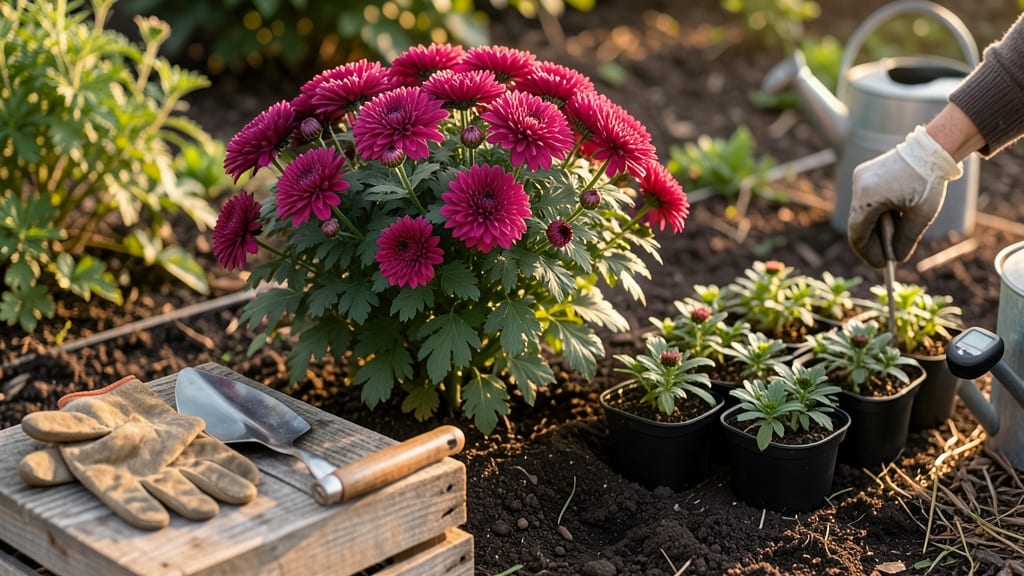
There’s nothing quite like the sight of vibrant 🌼 mums brightening up your fall garden—but getting when can I plant mums in the ground right is the key to their success. Planting them too early risks frost damage, while waiting too long can leave you disappointed with sparse blooms.
If you’re in USDA Zone 6a (or similar), the ideal window is just 4-6 weeks before your first frost, giving them time to root before winter sets in.
Most gardeners assume you can plant mums anytime in late summer, but the truth is more precise. The exact timing depends on your local frost date and whether you’re growing cold-hardy varieties like ‘Autumn Joy’ or ‘Snowball.’
These tough plants can handle a light frost, but they need a head start to establish strong roots before temperatures drop.
I’ve learned the hard way that rushing the process can backfire—once, I planted my mums too early, and they bolted in the heat before blooming properly. Now, I follow a simple rule: mark your calendar 4-6 weeks before your average first frost and prepare your soil accordingly.
With the right timing, you’ll enjoy those cheerful blooms well into fall.
Ready to get it right? I’ll walk you through the exact steps—from soil prep to post-planting care—to ensure your mums thrive all season long. Let’s make this your best fall garden yet!
Cold-hardy mum varieties: exact months to plant by USDA Zone for frost-free success
Timing is everything when planting mums (chrysanthemums)—especially for cold-hardy varieties like 'Autumn Joy' or 'Snowball'. Plant too early, and frost can damage tender roots; too late, and you’ll miss their fall color peak. The secret? Align your planting with your USDA zone and last frost date.
Aim to plant 4-6 weeks before your first frost, giving mums enough time to establish roots before winter. In Zone 3-5, this means late August to early September, while Zones 6-10 can extend planting into early October.
Always check your local frost calendar—a quick online search for “[your city] frost dates” will save guesswork.
Cold-hardy mums thrive in full sun (6+ hours daily) and well-draining soil. If your area has a short growing season, opt for dwarf varieties like 'Purple Dome'—they bloom faster and handle cooler temps better.
For longer seasons (Zones 7-10), standard mums like 'Bright Lights' reward you with vibrant blooms until frost.
🌼
| USDA Zone | Planting Window | Cold-Hardy Varieties | Frost Risk Threshold |
|---|---|---|---|
| 3-5 | Late August–Early September | Autumn Joy, Snowball, Purple Dome | First frost: Mid-October |
| 6-7 | Early September–Mid-September | Bright Lights, Bonanza, Ravishing | First frost: Late October |
| 8-10 | Mid-September–Early October | Coca-Cola, Lemon Coral, Fireball | First frost: November–December |
For Zones 3-5, prioritize early-blooming varieties like 'Autumn Joy'—they’ll handle brief frost events better than late bloomers. In warmer zones (7-10), you can push planting to early October, but avoid planting after mid-October—new roots won’t have time to anchor before winter.
Pro tip: If your soil stays below 50°F (10°C) for more than a week, delay planting. Use a soil thermometer ($10 at garden centers) to check—mums need warm soil to root effectively. In containers, add a heat mat if temps drop below 45°F (7°C).
Spacing matters too! Plant dwarf mums 12-18 inches apart and standard varieties 2-3 feet apart. Crowding stresses plants and invites powdery mildew, a common mum enemy. Amend your soil with compost (2-3 inches mixed in) to improve drainage—mums hate soggy roots.
🌿
After planting, mulch with straw or shredded leaves (2-3 inches deep) to insulate roots. This trick adds 2-3 weeks of frost protection and keeps soil moisture steady.
Water deeply once a week (more in Zones 8-10), focusing on the root zone, not the foliage. Avoid overhead watering—wet leaves breed fungal diseases.
Finally, fertilize lightly with a balanced 10-10-10 mix at planting, then again in early September to boost blooms. Skip heavy feeding in late fall—it encourages tender new growth that frost will kill.
With the right timing, your mums will reward you with bold color until the first hard freeze.
Signs your soil is ready: 5 critical conditions before planting mums outdoors
Before you rush to plant your mums, check if your soil is truly ready. Cold soil or poor drainage can stunt root growth, leaving your plants weak and prone to disease.
I’ve learned the hard way that skipping soil prep leads to stunted blooms—so let’s fix that. The key is ensuring your soil meets 5 critical conditions before transplanting.
First, your soil should be warm (at least 55°F/13°C). Mums won’t root well in cold soil, so use a soil thermometer to confirm. If it’s cooler, wait a few days or plant in containers with heat mats for faster warming.
Second, the soil must be well-draining—mums hate soggy roots, which can rot within days.
🌱
- 1 Soil Temperature: At least 55°F (13°C)—use a thermometer to check.
- 2 Moisture Level: Damp but not waterlogged—squeeze a handful; it should hold shape but not drip.
- 3 Drainage Test: Dig a 6-inch hole, fill with water—if it drains in 1 hour, it’s ready.
- 4 pH Level: Aim for 6.0–7.0—test with a kit or send a sample to your local extension office.
- 5 Weed-Free Zone: Clear 12+ inches around planting area to reduce competition.
If your soil fails any of these tests, don’t panic—fix it! Amend heavy clay by mixing in 2-3 inches of compost or sand. For acidic soil (pH < 6.0), add lime (follow package rates).
I once had compacted soil that drained poorly, so I dug in perlite and coco coir—now my mums thrive every year.
Another common mistake? Planting in overly fertile soil. Mums bloom best with moderate fertility. If your soil is rich (like a vegetable garden), mix in sand or peat moss to dilute nutrients.
Overfeeding leads to leafy growth at the expense of flowers, which is the last thing you want in fall!
Finally, time your planting for overcast days or early morning to reduce transplant shock. If you must plant in hot sun, water the area thoroughly 24 hours ahead and provide shade cloth for the first week. This simple step can double your success rate—trust me, I’ve tested it!
🌿
Once your soil passes these checks, you’re ready to plant. But here’s one last tip: if your area has unpredictable frost, opt for container-grown mums—they’re easier to move indoors if temps drop unexpectedly.
With the right soil prep, your mums will reward you with bold, long-lasting blooms all season.