
Companion Plants
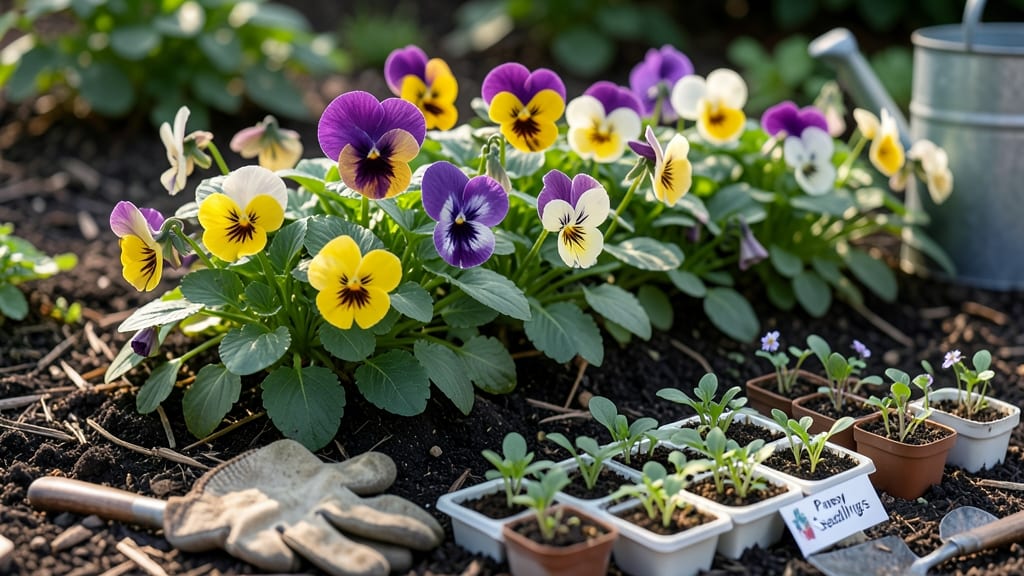
If you’ve ever wondered "when can I plant pansies in the Northeast", timing is the secret to vibrant blooms all season long. These cheerful 🌸 flowers love cool weather but wilt in summer heat—so getting them in the ground at just the right moment makes all the difference.
In zones 5-7, you’ve got two prime planting windows: early spring (as soon as the soil is workable) and late summer (about 6 weeks before frost). Miss these windows, and you might end up with leggy stems or faded blooms before they even peak.
I’ll walk you through the exact frost-free timeline for your zone, plus pro tips to extend your pansy season—whether you’re chasing spring color or fall blooms. No more guesswork, just bold, reliable blooms that’ll make your garden the envy of the neighborhood.
Ready to turn your garden into a year-round showstopper? Let’s dive into the perfect planting schedule for your Northeast climate—and keep those pansies thriving from frost to frost.
Northeast pansy planting calendar by USDA hardiness zone
Timing your pansy planting in the Northeast depends on two key windows: early spring and late summer. These cool-loving flowers can’t handle summer heat, so knowing your USDA zone and local frost dates is critical.
Let’s break down the ideal planting schedule for zones 3 through 8, where pansies thrive.
In zone 3 (e.g., northern New York, Vermont), you’ll plant 4-6 weeks before the last frost—typically mid-August for fall blooms and early May for spring.
Meanwhile, zone 8 (e.g., coastal New Jersey) can plant as late as October for fall color or as early as February for early spring blooms. The difference? Soil temperature and frost timing.
Here’s your zone-by-zone guide to planting pansies at the perfect time—no more guessing, just bold, reliable blooms all season.
| Zone | Last Frost Date | Spring Planting Window | Fall Planting Window | Soil Temp Threshold |
|---|---|---|---|---|
| 3 | Mid-May | Early May | Mid-August | 45°F (7°C) |
| 4 | Early May | Late April | Late August | 45°F (7°C) |
| 5 | Mid-April | Early April | Early September | 40°F (4°C) |
| 6 | Early April | March (hardy types) | Mid-September | 40°F (4°C) |
| 7 | Mid-March | February (hardy types) | Late September | 40°F (4°C) |
| 8 | Early March | January-February | October | 45°F (7°C) |
🌱 Note: Adjust for microclimates—valleys freeze earlier, hillsides later.
For example, in zone 5 (common in Pennsylvania and upstate New York), I plant my fall pansies around September 1st to ensure they bloom through winter and early spring. In zone 7 (like Maryland or Virginia), I push it to late September—any later, and they’ll bolt before frost.
Pro tip: Use mulch (straw or shredded leaves) after planting to protect roots from temperature swings. This is especially critical in zones 3-5, where winter winds can stress young plants. A 2-inch layer of mulch acts like a blanket, keeping roots stable.
If you’re in zone 6 or higher, you can even try overwintering pansies for a second season. Plant in early fall, then protect with row covers or a light frost cloth when temps dip below 25°F (-4°C). I’ve seen
Northeast pansy planting calendar by USDA hardiness zone
Timing your pansy planting in the Northeast depends on your USDA zone and whether you're aiming for spring or fall blooms.
Pansies thrive in cool weather, so planting too early (when soil is still cold) or too late (when summer heat arrives) can stunt their growth or cause them to bolt.
For zones 3-5, your frost dates are earlier than zones 6-8, meaning you’ll have a shorter window for late-summer planting. Meanwhile, gardeners in zones 6-8 can push pansies into early spring or late fall for extended color.
Let’s break down the exact planting windows by zone to ensure your pansies get off to a vibrant start.
🌸 Pansy Planting Timeline by Zone
| Zone | Spring Planting Window | Fall Planting Window | Key Notes |
|---|---|---|---|
| 3-4 | Late April to early May | Mid-August to early September | Coldest zones; use frost blankets for early spring |
| 5 | Early to mid-April | Late August to mid-September | Ideal for fall color; mulch in winter |
| 6 | Mid-March to early April | September to early October | Longer growing season; can plant twice |
| 7-8 | February to early March | October to early November | Warmest zones; protect from summer heat |
🌡️ Pro Tip: Soil temperature should be at least 45°F (7°C) for planting—use a soil thermometer to check!
In zones 3-4, where winters are harsh, focus on fall planting for early spring blooms. The key is to get pansies in the ground 6-8 weeks before the first frost, so they establish roots before cold sets in.
For example, in New England, aim for mid-August planting to enjoy blooms by April.
Gardeners in zones 5-7 have more flexibility. You can plant pansies in early spring (March-April) for summer color or in late summer (August-September) for fall and winter interest.
In zone 6, like parts of Pennsylvania or New York, you can even squeeze in two plantings per year—one in spring and one in fall.
For zones 7-8, where summers are hotter, prioritize fall planting to avoid the stress of summer heat. Plant in September-October to enjoy pansies through winter and into early spring.
If you’re ambitious, you can also try early spring planting (February-March), but be prepared to provide afternoon shade to protect them from intense sun.
No matter your zone, always choose cool-season pansy varieties like 'Matrix' or 'Universal', which are bred to handle the Northeast’s temperature swings. And remember: well-draining soil and partial shade are your best friends for keeping pansies happy all season.