
Plants
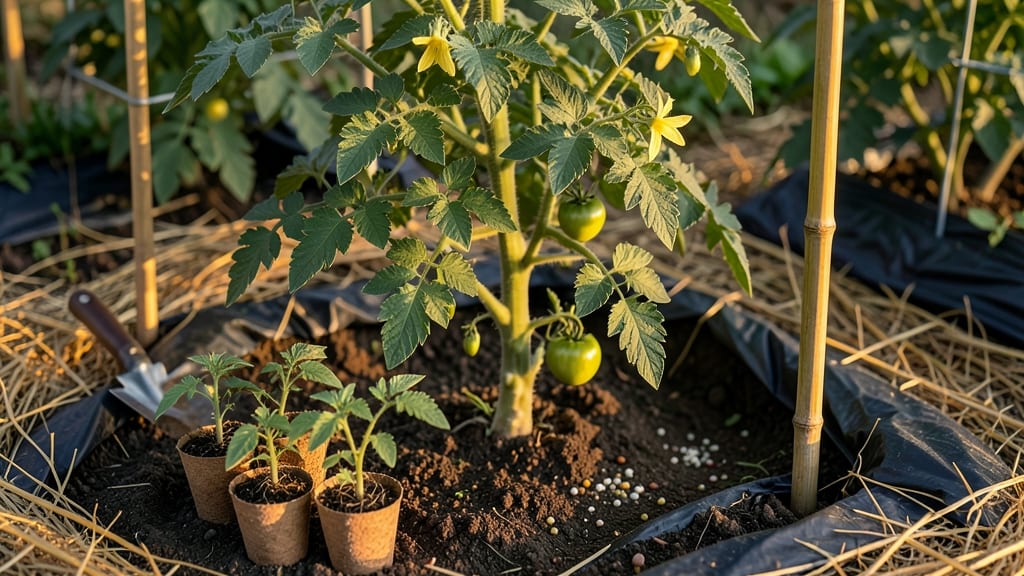
If you’ve ever dreamed of planting tomatoes in Florida at the right time to harvest juicy, sun-ripened 🍅 tomatoes straight from your garden, timing is your secret weapon.
Planting tomatoes in Florida at the wrong time means battling frost in the north or wilting vines under summer’s brutal sun—both can turn your garden into a disappointment.
Here’s the good news: Florida’s frost-free zones (like 9a-11) let you grow tomatoes year-round with the right strategy. But whether you’re in coastal Miami or inland Tallahassee, two key windows—spring and fall—offer the sweet spot for success.
Miss them, and you’ll face stunted growth, pests, or even no harvest at all.
I’ll break down the exact months to plant, how to adjust for your region’s microclimate, and pro tips to avoid common mistakes. No more guessing—just a foolproof schedule for zero-frost tomato success in Florida’s climate.
Ready to turn your backyard into a tomato paradise? Let’s get started with the planting deadlines that’ll make all the difference.
Florida tomato planting deadlines by region: coastal vs inland frost-free zones
Florida’s frost-free zones create two distinct tomato planting worlds. Coastal areas like Miami (Zone 10a) can plant year-round, while North Florida (Zone 7b) faces brief frost risks. The key? Soil temperature—tomatoes need 60°F+ soil to thrive, not just air temps.
Let’s break down your region-specific deadlines to avoid heat stress and maximize your harvest.
For coastal Florida (Zones 8b-10a), your growing season stretches nearly year-round. The sweet spot is March-May for spring and August-September for fall. These windows give your plants 90-120 frost-free days to mature. Inland areas (Zones 7b-9a) have shorter seasons—focus on March-April and August to beat summer’s brutal heat.
Here’s your month-by-month planting guide, including when to start seeds indoors vs. direct-sowing outdoors:
| Region | Spring Planting | Summer Planting | Fall Planting | Key Notes |
|---|---|---|---|---|
| Coastal (Zone 8b-10a) |
Feb-Apr Start seeds: Jan-Feb |
Avoid June-Aug Heat stress risk |
Aug-Sept Start seeds: July |
Year-round possible Use shade cloth in summer |
| Inland (Zone 7b-9a) |
Mar-Apr Start seeds: Feb |
Avoid June-Aug Extreme heat risk |
Aug Last chance for harvest |
Shorter season Choose fast-maturing varieties |
If you’re in North Florida (Zone 7b), mark your calendar for March 15th—this is your last frost date in most areas. Start seeds indoors 6-8 weeks before or buy transplants after April 1st when soil warms.
For South Florida (Zone 10a), you can direct-sow year-round, but August-September gives the best balance of humidity and daylight for fall harvests.
Pro tip: Use a soil thermometer to confirm 60°F+ soil temps before planting. Sandy soils heat up faster—wait until 70°F+ if your garden feels like a sauna. Morning soil temps are your best guide, not afternoon highs.
For urban gardeners, microclimates matter. A concrete jungle can be 10°F hotter than nearby green spaces. If your tomatoes wilt by noon, they’re heat-stressed. Move containers to partial shade or use shade cloth during June-August.
Remember: Tomatoes hate transplant shock. Harden off seedlings for 7-10 days before moving them outdoors. Acclimate them to sun and wind gradually to prevent leaf scorch. In Florida’s humidity, prune lower leaves to improve airflow and reduce fungal diseases like early blight.
Your harvest window starts 50-90 days after planting, depending on the variety. Coastal gardeners can enjoy year-round harvests with careful planning, while inland growers should focus on spring and fall crops to avoid summer’s brutal conditions.
Next, we’ll dive into the 5 critical factors that determine tomato success in Florida—soil, pests, heat tolerance, and more. Don’t miss our
5 Critical factors that determine your tomato planting success in Florida
Timing your tomato planting is just the first step—Florida’s humidity, sandy soil, and heat spikes can turn a great start into a failed harvest if you miss these 5 critical factors.
Whether you’re in Miami or Tallahassee, these elements will make or break your tomato success rate. Let’s tackle them one by one to ensure your plants thrive.
First, soil temperature isn’t just about air temps—it’s the hidden dealbreaker for Florida gardeners. Tomatoes need 60°F+ soil to germinate and grow roots. In sandy soil, which heats up fast, wait until 70°F+ to avoid root burn.
Use a soil thermometer to check morning temps—afternoon heat can be misleading. If your soil feels like a hot sidewalk, wait a few more days.
Next, humidity levels in Florida create a double-edged sword. While 80%+ humidity helps tomatoes grow fast, it also invites fungal diseases like early blight and powdery mildew. Prune lower leaves to improve airflow, and avoid overhead watering.
Instead, water at the base of the plant in the early morning to let foliage dry quickly. If you see yellowing leaves or white powder, act fast with neem oil or copper fungicide.
- 1
- 2
- 3
- 4
- 5
Third, heat tolerance is where Florida gardeners trip up. Tomatoes hate extreme heat—temperatures above 90°F cause sunscald (white patches on fruit) and blossom drop (flowers falling off without fruiting). If you’re planting in June-August, use shade cloth (30-50%) to protect seedlings.
For established plants, mulch heavily to keep roots cool. If your tomatoes look wilted but still firm in the afternoon, they’re heat-stressed—move containers to shade immediately.
Fourth, pests in Florida are relentless. Hornworms can devour a plant in days, while aphids and whiteflies suck sap and spread viruses. Start with row covers for young plants, and inspect leaves daily for signs of damage.
Organic solutions like BT spray (Bacillus thuringiensis) for hornworms or neem oil for aphids work wonders. If you see sticky residue on leaves, it’s a sign of sap-sucking pests—act fast to avoid stunted growth.
Lastly, microclimates can turn your garden into a heat island. Concrete, pavement, and buildings trap heat, making urban gardens 10°F hotter than rural areas. If your tomatoes are struggling in containers, move them to a shadier spot or use drip irrigation to keep roots cool.
For in-ground plants, mulch with straw or wood chips to regulate soil temperature. Even a 5°F difference can mean the difference between a thriving plant and a wilted mess.
By mastering these 5 critical factors, you’ll turn Florida’s challenges into opportunities for a bountiful tomato harvest. Next, we’ll explore the best tomato varieties for Florida’s unique growing seasons—so you can pick the perfect plants for your region’s climate.