
Plants
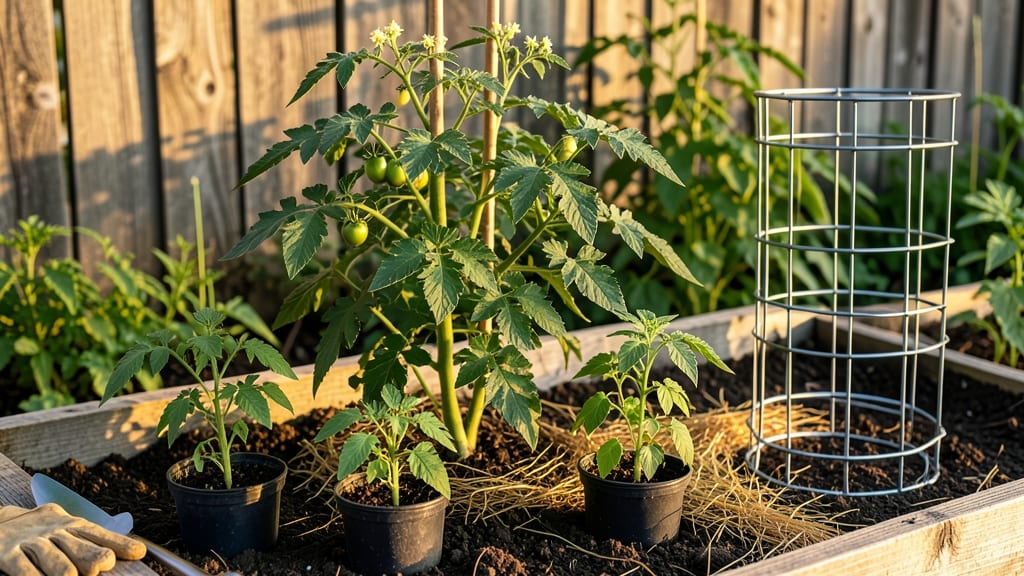
If you're dreaming of a bountiful harvest of juicy 🍅 tomatoes this summer, timing your planting in Michigan is the key to success. Planting too early risks frost damage, while waiting too long might cut your growing season short—both mistakes can leave you without the homegrown tomatoes you crave.
Michigan’s USDA Zones 5-6 mean your ideal planting window stretches from mid-April to mid-June, but there’s more to it than just dates. Soil temperature plays a critical role—tomatoes thrive when the ground reaches a steady 60-70°F, ensuring strong root growth and healthy plants.
Whether you're a seasoned gardener or just starting, understanding these nuances can make all the difference. I’ll walk you through the exact steps to time your tomato planting perfectly, from checking soil warmth to adjusting for regional variations across Michigan.
By the end, you’ll know exactly when to plant for a thriving crop—so you can enjoy fresh, homegrown tomatoes from July through October without a hitch.
Michigan’s last frost dates & soil temperature requirements for tomatoes
Planting tomatoes in Michigan hinges on two critical factors: last frost dates and soil temperature. Unlike warmer climates, Michigan’s USDA zones 4-6 demand patience—tomatoes are frost-sensitive, and rushing them risks stunted growth or death.
The average last frost ranges from early May in southern Michigan to late May or early June in northern regions, but these dates shift yearly.
For successful planting, aim for soil temperatures of 60-70°F. Cold soil slows root growth and increases disease risk. Use a soil thermometer to check—if temps dip below 55°F, wait.
Nighttime temperatures should also stay above 50°F consistently. In northern Michigan, this often means delaying planting until late May or June.
Here’s how to verify local conditions: Check the National Weather Service or your local cooperative extension office for frost predictions. Online tools like the Michigan State University Garden Hotline provide region-specific advice. For example, Detroit’s last frost averages April 20, while Traverse City’s is closer to May 15.
Tomatoes thrive in 150-180 frost-free days, so late plantings may only yield a few fruits. If you’re in zone 4 (Upper Peninsula)**, prioritize early-maturing varieties like ‘Early Girl’ (60 days) or ‘Stupice’ (50 days).
Southern Michigan gardeners can experiment with heirlooms like ‘Brandywine’ (80 days), but plant them after May 1.
Pro tip: Use black plastic mulch or row covers to warm soil faster and protect seedlings. These tools can push your planting window 1-2 weeks earlier by trapping heat. Just remove covers once flowers appear to prevent overheating.
| Region | Avg. Last Frost | Ideal Planting Window | Soil Temp. Goal |
|---|---|---|---|
| Southern Michigan (Detroit, Ann Arbor) | Mid-April | Late April–Early May | 60–70°F |
| Central Michigan (Lansing, Grand Rapids) | Early–Mid-May | Late May | 60–70°F |
| Northern Michigan (Traverse City, UP) | Late May–Early June | Early–Mid-June | 60–70°F |
| All Regions (Container Gardening) | Flexible | After last frost (move indoors if needed) | 60°F+ |
If you’re unsure about your exact last frost date, err on the side of caution. Tomatoes planted too early may survive a light frost but will bolt (flower prematurely) or develop blossom end rot from stress.
For a longer harvest, consider succession planting: Start a second batch of seeds indoors in early June for a late-summer crop.
For container gardening, soil warms faster, so you can plant 2-3 weeks earlier than in-ground. Use 5-gallon pots or larger to accommodate root growth. Place containers near a south-facing wall or use a self-watering system to maintain consistent moisture.
Remember: Michigan’s climate is unpredictable. Even after the last frost, late spring frosts can occur. Monitor forecasts and have row covers ready. With the right timing, you’ll enjoy homegrown tomatoes from July through October—worth the wait!
Soil temperature requirements for tomato success in Michigan
Michigan’s cool springs can be tricky for tomato lovers—planting too early when the soil is still chilly leads to slow growth or even rot. The secret to success? Soil temperature matters more than air temperature.
Tomatoes need soil that’s at least 55°F (13°C) for seeds to germinate, but for strong root development and faster growth, aim for 60-70°F (15-21°C).
Cold soil delays germination and weakens seedlings, making them vulnerable to disease. In Michigan’s USDA Zones 5-6, soil often stays too cool in early spring, especially in northern regions.
That’s why many gardeners use row covers or wait until late May to plant outdoors—even if frost dates suggest earlier planting.
🚨 CRITICAL WARNING: Planting in cold soil (below 55°F) can cause:
- Poor seed germination (seeds may rot instead of sprouting)
- Stunted root growth (weak plants struggle to support fruit)
- Fungal diseases (like damping-off) due to excess moisture in cool soil
⚠️ Planting in Cold Soil = Disaster
Michigan’s clay-heavy soils (common in southern regions) warm up slower than sandy soils. Test your soil with a soil thermometer—plant only when temperatures consistently hit 60°F+ at a 4-inch depth.
💡 Pro Tip: Use black plastic mulch or straw to warm soil faster. In containers, soil heats up quicker—ideal for northern Michigan gardeners with shorter seasons.
If your soil is still too cold when frost dates suggest planting, don’t rush! Start seeds indoors 6-8 weeks before your last frost date (typically early April for southern Michigan, late May for the Upper Peninsula).
Transplant seedlings only when soil is warm enough—even if they’re small. Hardier varieties like ‘Stupice’ or ‘Mountain Merit’ tolerate cooler soils slightly better than heat-loving types.
For container gardeners, soil warms up faster, giving you a 2-3 week head start over in-ground planting. Fill pots with a lightweight potting mix (not garden soil) and place them in a sunny, sheltered spot.
Monitor soil temps daily—if they dip below 60°F, move containers to a greenhouse or cold frame until conditions improve.
Remember: Soil temperature > Air temperature. A sunny 70°F day with 50°F soil won’t help your tomatoes thrive. Use a soil thermometer (available at garden centers for ~$10) to avoid guesswork.
And if your area has late spring frosts (like northern Michigan often does), have row covers ready to protect young plants.
By prioritizing soil warmth, you’ll give your tomatoes the strong start they need to produce bountiful, disease-resistant crops all summer long—no matter where in Michigan you garden. 🌱