
Flowers
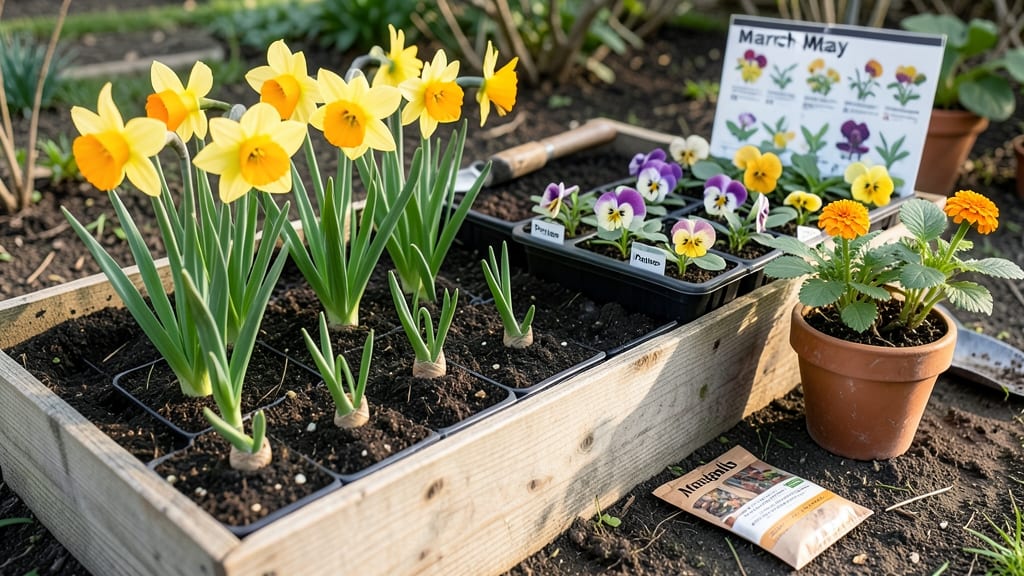
Timing your spring flower planting wrong can mean wilted dreams before buds even peek through the soil—but getting it right transforms your garden into a vibrant masterpiece.
With Zone 6a averages showing last frost around mid-April, most gardeners rush to plant too early, only to watch tender 🌸 sprouts freeze overnight.
Here's the secret: your microclimate matters more than the calendar. That sunny patch near your driveway might be 10°F warmer than your shady backyard, creating planting windows that differ by weeks. I'll show you exactly how to read your local frost patterns and adjust timing for foolproof blooms.
We'll cover the 3 critical mistakes that sabotage spring flowers before they even bloom, plus how to prepare soil for maximum growth. Whether you're planting annuals for summer color or perennials that'll return year after year, these strategies will have your garden thriving by Memorial Day.
Ready to turn guesswork into guaranteed success? Let's dive into the exact planting schedule that works for your specific corner of Zone 6a—and how to handle those tricky microclimates that make all the difference.
Spring planting zones by USDA hardiness and last frost dates
Planting flowers at the right time in spring isn't just about checking a calendar—it's about understanding your USDA hardiness zone and last frost date. These two factors determine whether your petunias will bloom or your marigolds will freeze before they even sprout.
For example, in Zone 5, you might plant cool-season flowers like pansies in early April, while Zone 9 gardeners can start heat-loving annuals like zinnias in February.
Every zone has a critical planting window—typically 2-4 weeks after the average last frost date. Missing this window means risking frost damage, while planting too early can lead to stunted growth or disease pressure.
For instance, Zone 7 gardeners should wait until mid-April, while Zone 3 may need to delay until late May. Even within the same zone, microclimates (like urban heat islands or frost pockets) can shift your ideal planting date by 2-4 weeks.
Below is your zone-by-zone planting guide, including heat-loving flowers for direct sowing and cool-season flowers that need indoor starts. Use this as your planting calendar—but remember, local weather patterns can override these averages. Always check your extended forecast before planting.
| USDA Zone | Average Last Frost Date | Best Planting Window | Heat-Loving Flowers (Direct Sow) | Cool-Season Flowers (Start Indoors) |
|---|---|---|---|---|
| Zones 3-4 | Mid-May | Late May - Early June | Sunflowers, Cosmos, Marigolds | Pansies, Snapdragons, Sweet Alyssum |
| Zones 5-6 | Mid-April | Early April (indoors) / Late April (outdoors) | Zinnias, Petunias, Geraniums | Calendula, Stock, Lobelia |
| Zones 7-8 | Early March | February (indoors) / March (outdoors) | Impatiens, Begonias, Vinca | Sweet Peas, Dianthus, Primrose |
| Zones 9-10 | Mid-January | January (outdoors) / Year-round (tender perennials) | Portulaca, Lantana, Verbena | Pansies (fall/winter), Stock |
If you're in Zone 5 or 6, like me, you'll notice that cool-season flowers like pansies can handle light frosts, so I start them indoors in early March.
Meanwhile, heat-loving annuals like marigolds won't tolerate frost, so I wait until after Mother's Day (around mid-May) to plant them directly in the ground. Pro tip: Use a soil thermometer—most flowers need soil temps above 60°F to thrive.
For Zone 9 and 10 gardeners, the rules flip: you can plant tender annuals like begonias as early as January, but you'll need to protect them from unexpected cold snaps.
I've seen Lantana bloom year-round in Southern California, but even there, a late-winter frost can wipe out unprotected plants. Always have row covers or a mini greenhouse on hand for emergencies.
One common mistake is relying solely on USDA zone maps without checking your local frost history. For example, Denver (Zone 5) often gets frost until May 15, while Phoenix (Zone 9) might have frost in December.
Use resources like the National Oceanic and Atmospheric Administration (NOAA) or your local cooperative extension to find hyper-local frost dates. Even a 5-mile difference in elevation can shift your frost date by a week!
Remember, perennials and bulbs often have different rules. For instance, tulip bulbs should be planted in fall (6-8 weeks before frost), while daylilies can wait until spring. Always double-check the plant tag or seed packet for specific instructions—some varieties are frost-tolerant, while others are heat-sensitive.
When in doubt, start seeds indoors 4-6 weeks before your last frost date for extra protection.
Microclimate adjustments: how to plant 2-4 weeks earlier or later
Your USDA Zone 6a planting dates are just a starting point—your actual microclimate can shift those windows by weeks. That south-facing wall might create a zone 8 microclimate where marigolds thrive 3 weeks earlier than your shady backyard.
I’ve seen gardeners in Zone 5 successfully plant petunias in May by leveraging urban heat islands.
Here’s how to test your microclimate: place a frost clock (or even a thermometer) in your planting spots for 2 weeks. If nighttime temps stay above 40°F consistently, you can plant heat-loving annuals like zinnias 2 weeks ahead of schedule.
For frost pockets near hills or valleys, delay planting cool-season flowers like pansies until after Memorial Day.
5 Microclimate Factors That Override Zone Maps
- Urban heat islands: Pavement radiates heat, raising soil temps by 5-10°F
- Wind exposure: Open areas cool faster—plant windbreaks or choose hardy varieties
- Elevation changes: Hills warm up faster than valleys (1°F per 300ft)
- Water bodies: Lakes/rivers create microclimate buffers against frost
- Building walls: South-facing walls can add 1-2 zones of warmth
How to Test Your Microclimate
Use a minimum-maximum thermometer placed 2" above soil for 14 days. Record nighttime lows—if they stay above 45°F, you can plant tender annuals 2 weeks early.
3 Flowers That Thrive in Warm Microclimates
- Lantana: Handles 100°F+ heat—plant near driveways
- Portulaca: Drought-tolerant; thrives in full sun microclimates
- Salvia: Heat-loving perennial for zone 8+ microclimates
When to Delay Planting in Frost Pockets
Wait until 2 weeks after your last frost date in these spots. Example: If your yard’s average last frost is April 15 but your low-lying garden frosts May 1, plant cool-season flowers like snapdragons on May 15.
Urban Gardening Shortcuts
Use black plastic mulch to warm soil 5-7°F faster in city gardens. For containers, choose heat-tolerant varieties like geraniums or verbena.
Pro tip: Container gardens in urban areas can be planted 3 weeks earlier than in-ground beds because they warm up faster. Just ensure your pots have drainage holes to prevent root rot from the extra heat.
Remember, microclimate adjustments let you extend your growing season by weeks—whether that means earlier summer blooms or protecting fall-planted bulbs from premature frost. The key is observing your space for 2-3 years to spot patterns.