
Planting
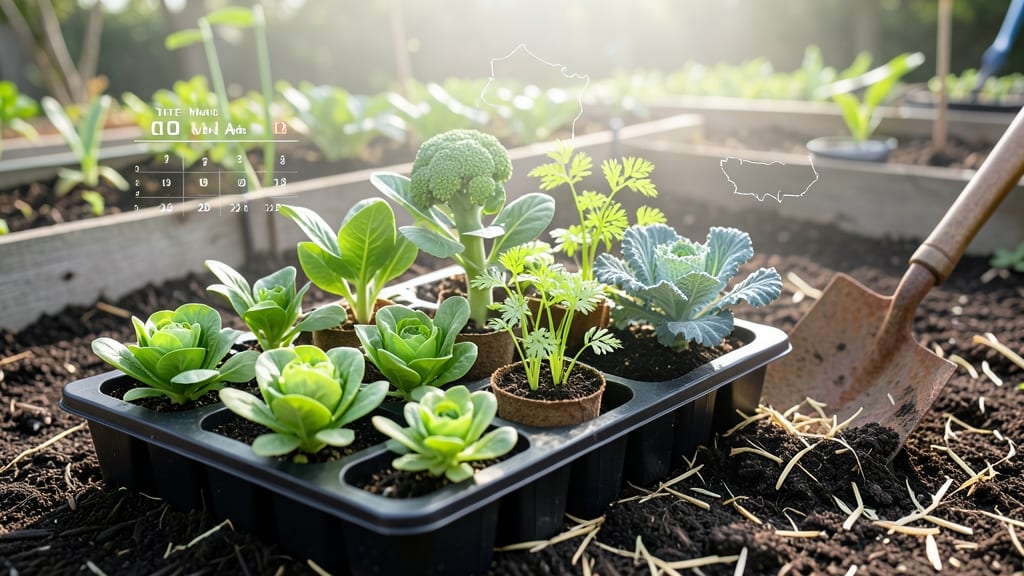
Planting a garden in Ohio at the wrong time could mean the difference between a thriving harvest and a disappointing loss. With frost dates varying dramatically from northern USDA Zone 5 to southern Zone 7, timing is everything for your 🌱 garden's success.
I’ve spent years watching Ohio gardens transform from bare soil to lush beds—and the key to that success always comes down to when you plant.
Whether you’re a first-time gardener or a seasoned green thumb, knowing the best weeks for each crop can save you from late frosts, stunted growth, or even total crop failure.
What if you could plant with confidence, knowing exactly when to start seeds indoors or set out transplants for your specific Ohio region? This guide breaks down the science behind frost dates, soil temperatures, and microclimates so you can create a planting schedule tailored to your backyard.
Let’s dive into the best planting windows for Ohio’s most popular vegetables, flowers, and perennials—so you can grow a garden that’s as productive as it is beautiful.
Ohio’s planting zones & frost dates: when to start seeds indoors vs. outdoors
Ohio spans USDA Hardiness Zones 5-7, meaning frost dates vary dramatically from northern Ohio’s Zone 5 (average last frost: May 15) to southern Ohio’s Zone 7 (average last frost: April 15).
These differences dictate whether you’ll start seeds indoors in February or wait until March for direct sowing. For example, tomatoes need 60-70 days to mature, so northern gardeners must begin seeds indoors by March 1, while southerners can wait until mid-March.
Your first step is checking Ohio State University Extension’s frost-free date maps. These show that Toledo (Zone 6a) typically has its last frost 2 weeks earlier than Cleveland (Zone 6b), and Columbus (Zone 6a) aligns closely with Dayton (Zone 6b).
Use these dates as your baseline, but always adjust for microclimates—like urban heat islands or lake-effect cooling near Lake Erie.
The 10-day rule is critical: Wait 10 days after your average last frost date to plant frost-sensitive crops like peppers or eggplants. For cold-hardy crops like spinach or kale, you can plant 2-4 weeks before your last frost.
My rule of thumb? If the soil temperature hits 40°F at 4 inches deep, it’s safe for cool-season crops.
Here’s how to translate frost dates into action:
- Zone 5 (north): Start tomatoes/peppers indoors February 15; transplant April 15.
- Zone 6 (central): Start seeds March 1; transplant April 1.
- Zone 7 (south):** Start seeds March 15; transplant March 15.
| Plant | Indoor Start Date (Zone 5) | Indoor Start Date (Zone 7) | Outdoor Plant Date | Notes |
|---|---|---|---|---|
| Tomatoes | Feb 15 | Mar 15 | Apr 15 (Zone 5) / Mar 25 (Zone 7) | Needs warmth; use row covers |
| Peppers | Mar 1 | Mar 10 | May 1 (Zone 5) / Apr 15 (Zone 7) | Slow to germinate; keep warm |
| Lettuce | Mar 15 (outdoors) | Feb 28 (outdoors) | Mar 1 (Zone 7) / Apr 1 (Zone 5) | Bolts in heat; succession plant |
| Beans | Direct sow | Direct sow | May 15 (Zone 5) / Apr 20 (Zone 7) | Wait until soil is 60°F+ |
| Cabbage | Feb 1 (Zone 5) | Jan 20 (Zone 7) | Apr 1 (Zone 5) / Mar 15 (Zone 7) | Tolerates light frost |
Pro tip: Use biodegradable seed pots to avoid transplant shock when moving seedlings outdoors. For southern Ohio gardeners, you can even plant warm-season crops like cucumbers as early as April 1 with row covers
Ohio’s three distinct regions—Northern, Central, and Southern—each have unique frost dates and growing seasons. Northern Ohio (e.g., Toledo, Cleveland) typically has a shorter growing season, while Southern Ohio (e.g., Cincinnati, Columbus) enjoys warmer springs and later frosts. Even within regions, urban heat islands and lake-effect microclimates (like near Lake Erie) can shift planting windows by 1-2 weeks. To maximize yields, align your schedule with your local microclimate. Here’s how to adjust planting for each region, including cold-hardy crops for early starts and heat-loving plants for late-season success: Adjust 1–2 weeks earlier for urban areas or near lakes (warmer microclimates). For Northern Ohio, prioritize fast-maturing varieties (e.g., bush beans, radishes) to avoid late-season frosts. In Central Ohio, you can squeeze in two harvests of lettuce—one in spring and another in early fall—by planting succession crops every 2 weeks. Meanwhile, Southern Ohio gardeners can experiment with year-round greens like kale or spinach, thanks to milder winters. Always check soil temperatures (use a soil thermometer) before planting warm-season crops; tomatoes and peppers won’t thrive until soil hits at least 60°F. Pro tip: Use Ohio State University Extension’s frost date maps to fine-tune your schedule. For example, if you’re in Zone 6 (northern), wait until mid-May for tomatoes, but in Zone 7 (southern), you can plant them by early April. Urban gardeners near downtown Columbus might even start cool crops like broccoli in early March, thanks to the urban heat island effect raising soil temps faster. Don’t forget to harden off seedlings before transplanting, especially in Northern Ohio where late frosts can still hit in May. For Southern Ohio, consider fall planting of garlic in October for a next-year harvest. And if your area experiences false springs (a warm spell followed by frost), wait until all danger of frost has passed—or use frost cloth to protect tender seedlings. With these adjustments, you’ll avoid the heartbreak of wilted tomatoes or frost-bitten greens and enjoy a bountiful, region-specific harvest. ☀️Microclimate-specific planting calendar: northern Ohio vs. central vs. southern Ohio
Region
Last Frost Date (Avg.)
First Frost Date (Avg.)
Best Time to Plant Cool Crops (e.g., Lettuce, Peas)
Best Time to Plant Warm Crops (e.g., Tomatoes, Peppers)
Extend Season With
Northern Ohio (Toledo, Cleveland)
April 20–May 5
October 10–20
Mid-April to early May
After May 15 (soil ≥60°F)
Row covers, cold frames
Central Ohio (Columbus, Dayton)
April 10–20
October 20–November 5
Late March to early April
After May 1 (soil ≥55°F)
Black plastic mulch, hoop houses
Southern Ohio (Cincinnati, Lexington)
March 25–April 10
November 5–15
Late February to March
After April 15 (soil ≥65°F)
Season extenders, greenhouses