
Plants
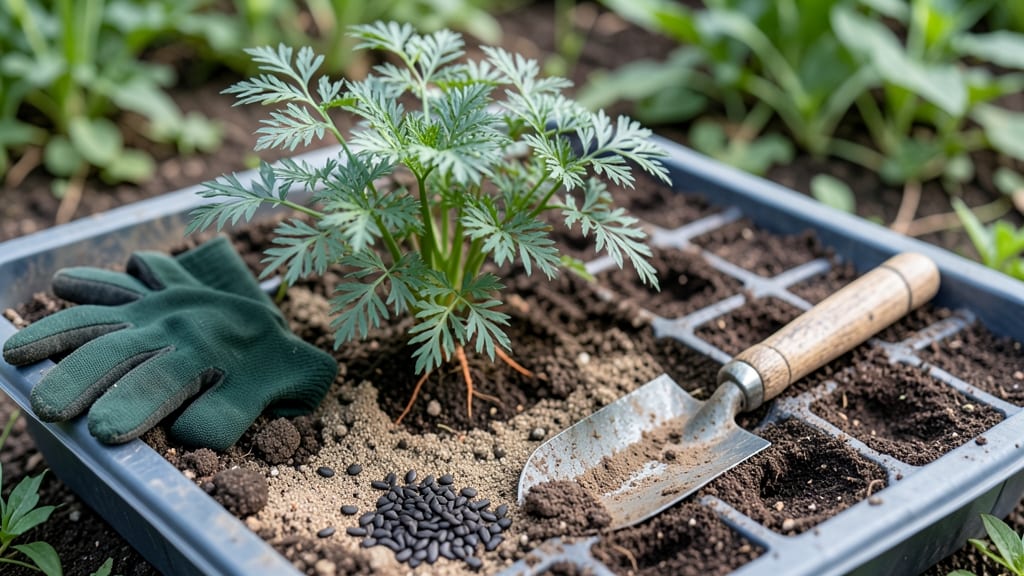
If you're wondering "when do you plant carrots in Louisiana", the answer isn't as simple as just picking a month—it depends on whether you're in humid coastal areas or drier inland zones.
Louisiana's unique climate means your 🥕 timing could mean the difference between sweet, crisp harvests and bitter, stunted roots.
Most gardeners in USDA zones 8a-9b know fall planting is key, but the exact window shifts dramatically between New Orleans and Shreveport. Coastal areas can start as early as September, while inland regions often wait until October to avoid summer's brutal heat.
The secret lies in understanding your microclimate's frost dates and humidity patterns.
What you'll discover here are the precise planting windows that work for Louisiana's two distinct growing regions. We'll cover how to time your fall and spring plantings for maximum success, plus soil prep tips that account for our state's heavy clay and high humidity challenges.
Ready to grow carrots that rival the ones at your favorite farmers' market? Let's dive into the timing secrets that will transform your garden from average to exceptional—no matter where in Louisiana you're planting.
Louisiana carrot planting calendar: coastal vs inland timing differences
Louisiana’s unique climate—with its humid coastal regions and hotter inland areas—means your carrot planting schedule should differ based on location. Coastal areas (like New Orleans) enjoy milder winters, while inland zones (like Shreveport) face earlier frost risks. Timing is everything to avoid bitter, woody roots or poor germination.
For coastal Louisiana, your prime planting window is September through October, with a secondary window in February-March for spring harvests. Inland gardeners should plant August-September and again in late February to beat the frost.
The key difference? Coastal areas can extend harvests into January, while inland areas must finish by December.
Here’s how to align your planting with Louisiana’s USDA Zones 8a-9b, accounting for frost-free days and humidity levels that can stress young seedlings.
| Factor | Coastal Louisiana (e.g., New Orleans) | Inland Louisiana (e.g., Shreveport) |
|---|---|---|
| Prime Planting Window | September 15–October 15 | August 15–September 15 |
| Secondary Window | February 1–March 15 | Late February–March 10 |
| Last Frost Date | February 15 (varies yearly) | January 20–February 5 |
| First Frost Date | December 1 (can be later) | November 15–December 1 |
| Soil Temperature Threshold | 60–65°F (ideal for germination) | 65–70°F (warmer inland soil) |
| Humidity Challenge | High (risk of fungal diseases) | Moderate (drier air) |
| Harvest Window | November–January (extended) | October–December |
| Succession Planting Tip | Every 3 weeks until October 15 | Every 2 weeks until September 1 |
🌱 Pro Tip: Use row covers in coastal areas to protect seedlings from sudden cold snaps in late fall.
If you’re in coastal Louisiana, don’t rush to plant in August—soil temperatures often exceed 85°F, causing seeds to bolt or fail to germinate. Instead, wait until September 15 when soil cools to 75°F or below.
For inland areas, August planting works if you use shade cloth to protect seedlings from intense afternoon sun.
For both regions, soil preparation is non-negotiable. Carrots demand loose, stone-free soil to grow straight roots. Work in 2–3 inches of compost and avoid fresh manure, which can cause forking.
Test your soil’s pH—carrots thrive in 6.0–7.0. If your soil is heavy clay (common in Louisiana), mix in sand or perlite to improve drainage.
One of the biggest mistakes Louisiana gardeners make? Planting too late in spring. By April, soil temperatures rise quickly, and carrots bolt before maturing. If you missed the fall window, opt for short-day varieties like ‘Paris Market’ or ‘Little Finger’, which tolerate heat better than standard types.
Extend your harvest by planting every 2–3 weeks until October 15 (coastal) or September 1 (inland). This succession planting strategy ensures a steady supply of fresh carrots. Pair this with interplanting—grow fast-maturing crops like radishes or lettuce between carrot rows to maximize space.
Remember, Louisiana’s humidity can be a double-edged sword. While it keeps soil moist, it also invites pests like carrot rust fly and diseases such as Alternaria leaf spot. Use floating row covers for the first 4–6 weeks to protect seedlings, and rotate crops annually to break pest cycles.
For container gardeners, deep pots (12+ inches) filled with a
5 Critical factors that determine your carrot planting success in Louisiana
Understanding Louisiana’s unique climate is key to growing perfect carrots. The 5 critical factors below will help you avoid common pitfalls like forked roots or bitter flavors—both caused by timing mistakes. Let’s break down what truly matters for your 🥕 success.
First, soil temperature is your #1 guide. Carrot seeds need soil at least 55°F (13°C) to germinate. In coastal areas like Lafayette, this happens by mid-September, while inland areas like Monroe often wait until late September or October.
Use a soil thermometer to check—this simple tool can save you from wasted seeds!
Next, humidity levels play a surprising role. Louisiana’s high humidity (often 70%+) can lead to diseases like Alternaria leaf spot if you plant too late. The sweet spot? Aim for 60-70% humidity during germination. Early fall plantings in September-October strike this balance perfectly.
Don’t overlook pest pressure, especially the dreaded carrot rust fly. These pests peak in late summer, so planting after August 15 gives you a head start. For extra protection, use fine mesh row covers or interplant with onion or leek—their scent repels flies naturally.
Finally, sunlight hours drop in winter, which can slow carrot growth. If you’re planting in November-December, supplement with grow lights or choose shorter-day varieties like 'Paris Market'. These adapt better to Louisiana’s shorter winter days.
Master these 5 factors, and you’ll grow carrots that are sweet, straight, and abundant—no matter where in Louisiana you garden. The secret? Pay attention to your local microclimate and adjust your timing accordingly. Your future harvest will thank you!