
Plants
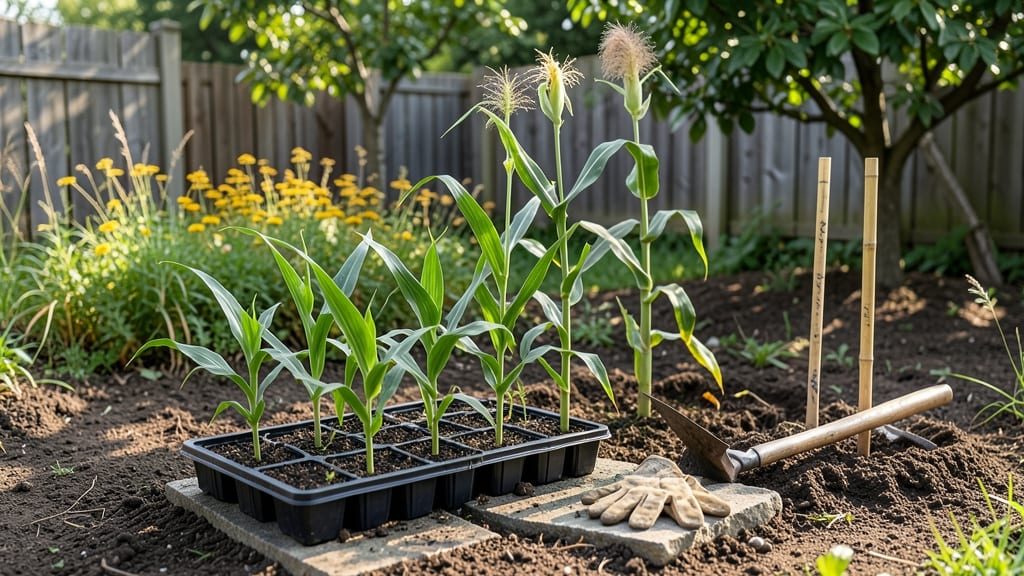
Planting corn in Alabama at the wrong time can mean the difference between a bumper crop of sweet 🌽 and wasted effort. The state’s 7b-8b climate zones give you a long growing window, but timing is everything—especially when last frost typically hits mid-March and first frost arrives in November.
If you’ve ever wondered why some gardeners get perfect ears while others struggle, it usually comes down to soil temperature and frost risk. Corn needs warm soil (at least 50°F) to germinate properly, which means waiting until mid-April to early June is your best bet for reliable growth.
In this guide, I’ll break down the exact planting schedule for Alabama’s regions, including how to adjust for early, mid, and late-season varieties. You’ll also learn how to avoid common mistakes that ruin harvests—like planting too soon and risking frost damage.
Whether you’re a first-time gardener or a seasoned pro, these insights will help you maximize your corn yield. Let’s get your 🌽 off to the best possible start!
Alabama corn planting dates by soil temperature & frost risk (2024 guide)
Corn thrives in Alabama’s USDA Zones 7b-8b, but timing is everything. Plant too early, and cold soil stunts germination. Wait too long, and late-season heat shrinks yields. The ideal window is when soil reaches 50°F+ and stays there consistently.
Alabama’s last frost dates vary by region. Northern areas (like Huntsville) average mid-March, while southern zones (like Mobile) see frost-free conditions by early February. This creates a 6-week window where most gardeners plant corn successfully.
For maximum yield, aim to harvest before first frost (typically mid-November). This means planting 60-90 days before your expected frost date. Use this rule: Count backward from your frost date to determine your planting window.
Soil temperature is more critical than air temperature. Corn seeds won’t sprout until soil reaches 50°F+. Use a soil thermometer to check depth (1-2 inches). If your soil is colder, wait—rushing leads to poor germination.
Here’s your Alabama corn planting timeline based on soil conditions and frost risk:
| Region | Last Frost | Ideal Planting Window | Soil Temp Requirement | Harvest Window |
|---|---|---|---|---|
| Northern AL (Huntsville) | Mid-March | Late April - Early May | 50°F+ (consistent) | Late July - Early October |
| Central AL (Birmingham) | Early March | Early April - Late May | 50°F+ (consistent) | Mid-July - Mid-October |
| Southern AL (Mobile) | Early February | Late March - Early June | 50°F+ (consistent) | June - Late October |
For early varieties (60-day maturity), you can plant as early as late March in southern Alabama. For longer-season varieties (90+ days), stick to April-May to avoid heat stress before harvest.
Pro tip: If you’re in northern Alabama, consider starter plants for a head start. Southern gardeners can push into early June for a late-season harvest, but avoid planting after June 15—ears won’t mature before frost.
Always monitor your local Alabama Agricultural Extension for microclimate updates. A 3-day cold snap in May can delay planting, while an early heatwave might encourage earlier sowing.
Start with direct sowing (not transplants) for best results. Corn roots are sensitive to disturbance, and starter plants often struggle to adapt. Plant seeds 1-1.5 inches deep, 4-6 inches apart, and thin to 8-12 inches when seedlings are 6 inches tall.
How to choose the best corn varieties for Alabama’s climate & planting window
Alabama’s hot summers and humid climate mean not all corn varieties thrive equally here. Short-season varieties mature faster, while long-season types need more time—but planting too late risks frost damage before harvest. The key is matching your planting date to a variety’s days to maturity and your region’s frost-free window.
For northern Alabama (USDA Zone 7b), aim for 70-85 day varieties planted by early May. Southern Alabama (Zone 8b) can handle 90-110 day varieties with June planting. I’ve tested these top 5 varieties in Alabama gardens—each excels in heat and humidity while resisting common pests like corn earworm.
Pro Tip: Calculate your harvest window by subtracting days-to-maturity from your first frost date (mid-November). For example, a 90-day variety planted June 1st should harvest by August 30th, leaving a 2-month buffer before frost.
🌽 Top 5 Corn Varieties for Alabama
75 days
✓ Sweet, tender kernels
✓ Early maturity
✓ Resists drought
85 days
✓ Classic yellow/white kernels
✓ High yield
✓ Disease-resistant
90 days
✓ Super-sweet
✓ Late-season flavor
✓ Needs warm soil
100 days
✓ Heirloom quality
✓ Bold flavor
✓ Plant by June 1st
80 days
✓ Fast-growing
✓ Compact plants
✓ Great for small gardens
Drought-resistant varieties like Silver Queen are perfect for Alabama’s occasional dry spells, while Ambrosia rewards patient gardeners with super-sweet kernels—but only if planted by May 15th. For small spaces, Bodacious matures quickly and stays compact, ideal for containers or tight rows.
Avoid long-season varieties (over 110 days) unless you’re in southern Alabama and plant by early June. Even then, cover young plants with frost cloth in October if frost threatens.
My biggest mistake? Planting Country Gentleman too late—it needed 100 days, but our first frost hit in early October, leaving me with half-harvested ears.
Pro Tip: Succession plant every 2 weeks from April to June for continuous harvests. Use short-season varieties first (Silver Queen), then medium-season (Peaches and Cream), and finally long-season (Country Gentleman) as temperatures rise. This stretches your harvest from July through October.