
Plants
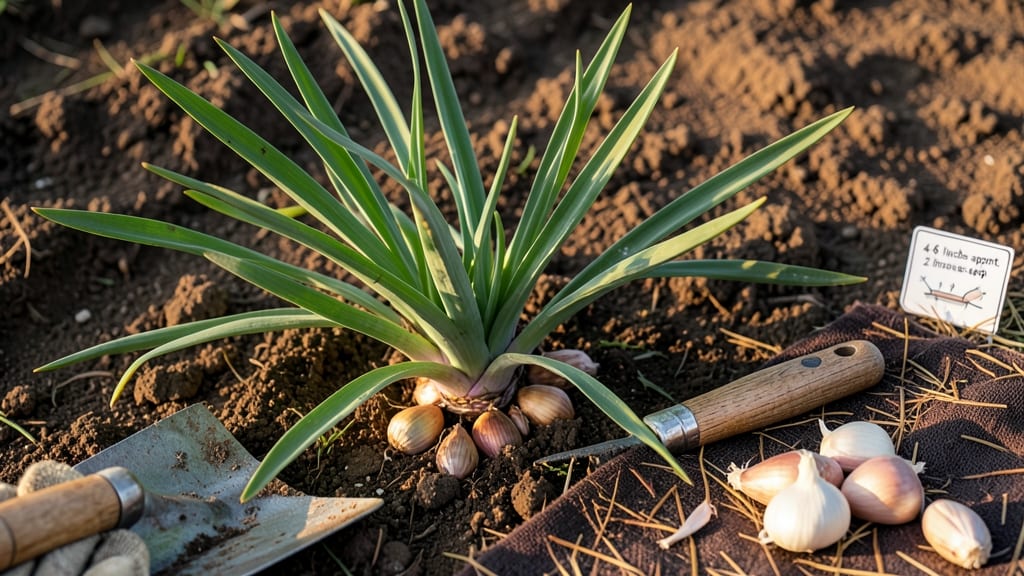
Planting garlic in Colorado at the wrong time could mean the difference between a thriving crop and wasted effort. With USDA zones 5-7 and dramatic altitude shifts across the state, timing isn't just about the calendar—it's about understanding your local frost patterns and soil conditions.
The ideal window for planting 🧄 garlic in Colorado runs from October to November, but these dates shift dramatically depending on whether you're in Denver's urban heat islands or the high-altitude mountains near 7,000 feet.
Plant too early, and your cloves might sprout before winter sets in; too late, and they won't establish strong roots before dormancy.
What makes Colorado's garlic growing season unique is how microclimates affect planting deadlines. In lower elevations, you might still have 4-6 weeks of growing time before hard frost, while mountain gardeners need to plant earlier to account for shorter seasons.
The key is preparing your soil and choosing the right varieties for your specific altitude zone.
I'll walk you through exactly when to plant in your specific region, how to adjust for Colorado's unpredictable weather, and which garlic varieties perform best in these conditions. Let's make sure your garlic gets the perfect start for a July-August harvest next year.
Colorado garlic planting deadlines by altitude Zone (with frost risk charts)
Garlic thrives in Colorado’s cool climate, but timing is everything. The state’s three distinct altitude zones—lowland, foothills, and mountains—each have unique frost patterns that dictate when to plant.
Hard-neck varieties, Colorado’s top choice, need 4-6 weeks before the first hard frost to establish roots. Soft-neck varieties can tolerate slightly later planting but still require careful timing.
For lowland areas (2,500–5,000 ft), like Denver and Colorado Springs, the ideal window is mid-October to early November. Here, the ground freezes later, giving garlic enough time to root before winter.
In foothills (5,000–7,000 ft), such as Boulder or Fort Collins, plant late September to mid-October to avoid early frosts. Mountain regions (7,000+ ft), like Aspen or Leadville, demand the earliest planting: late August to early September.
Colorado’s first hard frost varies wildly—mid-October in mountains to late November in lowlands. Planting too early risks rot; too late, and your garlic won’t mature. Use USDA Zone 5-7 as a guide, but always check your local last-frost averages for precision.
Here’s how to align your planting with Colorado’s three altitude zones, including frost risk and variety recommendations:
| Altitude Zone | Planting Window | Last Frost Avg. | Best Varieties | Frost Risk |
|---|---|---|---|---|
| Lowland (2,500–5,000 ft) | Mid-October – Early November | Late November | German White, Silverskin | Low (30% chance late frost) |
| Foothills (5,000–7,000 ft) | Late September – Mid-October | Mid-November | Chesnok Red, Rocambole | Moderate (50% chance early frost) |
| Mountain (7,000+ ft) | Late August – Early September | Mid-October | Creole, Purple Stripe | High (70% chance early frost) |
Hard-neck varieties dominate Colorado gardens because they thrive in cold winters and produce scape shoots (edible stems) in spring. Soft-neck varieties, like Silverskin, are better suited for lowland areas with milder winters but lack the hardiness of hard-necks. Always source seeds locally—Colorado’s high-altitude strains are bred for resilience.
Use a soil thermometer to confirm ground temps are below 40°F before mulching. In mountain zones, apply 4–6 inches of straw to protect cloves from freeze-thaw cycles.
Lowland gardeners can use less mulch (2–3 inches) since frosts are milder. Never plant garlic in soggy soil—drainage is critical to prevent rot.
Colorado’s short growing season means garlic planted in fall will harvest the following July–August. For a spring harvest, plant cloves in early spring (March–April), but yields will be smaller. Spring-planted garlic is riskier in high-altitude zones due to late frosts damaging young shoots.
Pro tip: Break apart garlic bulbs into individual cloves and plant the largest cloves for bigger harvests. Save small cloves for next year’s seed—they’ll produce smaller bulbs but ensure genetic consistency.
In Colorado, hard-neck varieties like ‘German White’ and ‘Chesnok Red’ are top performers, while ‘Silverskin’ soft-necks work best in Zone 6 lowlands.
🌱
How to adjust planting timing for Colorado’s microclimates (and avoid common mistakes)
Colorado’s microclimates can create wildly different conditions just a few miles apart. In Denver, urban heat islands might delay frost by weeks, while Fort Collins or mountain towns like Boulder experience earlier freezes.
The key is adjusting your planting window based on local frost averages—and knowing when to avoid planting entirely.
For most Colorado gardeners, the ideal planting window is 4-6 weeks before the ground freezes. But this translates to mid-October in Denver (where first frosts hit mid-October) versus late September in mountain towns (where frosts arrive by early October).
Planting too early in high-altitude zones risks premature sprouting, while late planting in lowlands may not give roots enough time to establish.
Here’s how to fine-tune your timing: Use a soil thermometer to check when soil temps drop below 40°F—this is your planting deadline. In Denver’s 5,280 ft elevation, aim for October 15-30, while Aspen’s 7,800 ft gardeners should plant by September 15 to avoid frost damage.
Mulching with straw or leaves (3-4 inches) can extend the growing season by 2-3 weeks in colder zones.
🚨 CRITICAL MISTAKE #1: Planting garlic in September for lowland areas—this gives cloves too much time to sprout before winter, weakening their hardiness. Instead, wait until mid-October in Denver or late September in Boulder.
🚨 CRITICAL MISTAKE #2: Skipping soil prep in clay-heavy soils (common in rural Colorado). Garlic needs well-draining soil; amend with compost or sand to prevent rot. Test your soil’s pH (6.0-7.0)—garlic hates alkaline conditions.
🚨 CRITICAL MISTAKE #3: Planting softneck varieties (like Silverskin) in high-altitude zones. These struggle with Colorado’s cold winters; opt for hardneck varieties like German White or Chesnok Red, which thrive in USDA zones 4-7.
Pro tip: Mark your planting date on a calendar and track local frost data from the National Weather Service. In 2023, Denver saw its first frost on October 12, while Grand Junction (lower elevation) held off until November 1**. Adjust accordingly!