
Plants
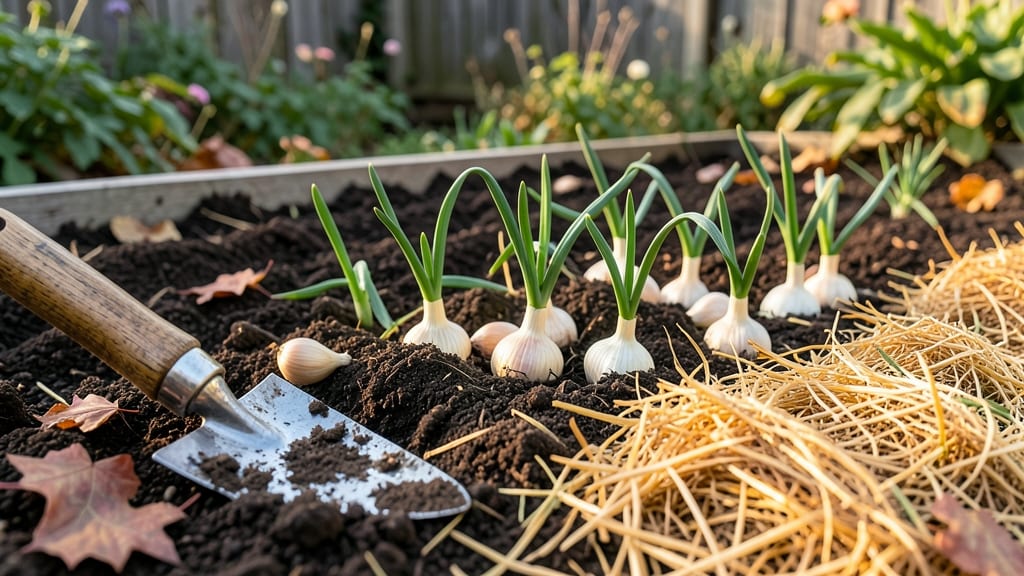
Planting garlic in Illinois at the wrong time could mean the difference between a bountiful harvest and wasted effort—especially when hardneck and softneck varieties have very different schedules.
The key to success lies in understanding your USDA zone (5b-6b) and the critical window between mid-October and early November for fall planting, or early March for spring.
Many gardeners in Illinois make the mistake of planting too early or too late, risking frost damage or poor bulb development. But with the right timing, you can grow high-quality garlic that thrives in your climate.
Whether you're a beginner or an experienced grower, knowing when to plant is the first step to a rewarding harvest in July or August.
In this guide, I’ll break down the best months for planting hardneck vs. softneck garlic, including soil prep tips and post-planting care tailored to Illinois’ unique conditions. Let’s get started on the path to growing the best garlic your garden has ever seen.
From avoiding common timing mistakes to extending your garlic season, you’ll learn everything you need to know to make this year your most successful yet. Ready to dig in?
Best Illinois garlic planting months: hardneck vs softneck breakdown
Planting garlic in Illinois at the wrong time can turn your hard work into disappointment—especially when hardneck and softneck varieties have completely different timing needs. Illinois' USDA zones 5-6 mean you need to plan for cold winters and variable frost dates, which can confuse even experienced gardeners.
For most Illinois gardeners, fall planting (October-November) is the golden standard. This gives garlic time to establish roots before winter dormancy, but the exact window depends on whether you're growing hardneck varieties (like Rocambole or German White) or softneck varieties (like Silverskin or Creole).
Let’s break it down month by month.
Hardneck garlic thrives in Illinois because it’s built for cold climates, but timing is everything. Softneck varieties, while popular for storage, need slightly different conditions. The key difference? Hardnecks require vernalization (a cold period) to form bulbs, while softnecks are more flexible.
Here’s the month-by-month breakdown for Illinois gardeners, including soil temperature targets and frost considerations:
| Month | Hardneck Planting Window | Softneck Planting Window | Soil Temp Target | Frost Consideration |
|---|---|---|---|---|
| September | Early September (Zone 5) | Late September (Zone 6) | 50-60°F (10-15°C) | Avoid if frost likely |
| October | Ideal (mid-October) | Ideal (late October) | 40-50°F (4-10°C) | Plant 4-6 weeks before frost |
| November | Early November (Zone 5) | Early November (Zone 6) | 35-45°F (2-7°C) | Soil must not freeze |
| March | Spring option (late March) | Spring option (early March) | 40-50°F (4-10°C) | Avoid if frost risk |
| April | Not recommended | Not recommended | N/A | Too late for best yields |
For hardneck garlic, mid-October is your sweet spot in most of Illinois. This gives cloves time to root before winter but ensures they experience the cold vernalization they need to form bulbs.
In northern Illinois (Zone 5), you can push planting into early November, but avoid waiting until December—frozen soil will kill your cloves.
Softneck varieties are more forgiving, but they still prefer cool fall soils. Plant them in late October to early November for best results. If you’re in southern Illinois (Zone 6), you might even squeeze in a late-November planting, but mulch heavily to protect against early freezes.
Spring planting is possible in Illinois, but yields are 30-50% smaller than fall-planted garlic. If you miss the fall window, aim for early March—just make sure the soil is workable and frost-free. Use row covers if late frosts are forecasted to protect young shoots.
Pro tip: Test your soil temperature before planting. Use a soil thermometer to confirm it’s between 40-50°F (4-10°C). If it’s warmer, wait a few days—garlic cloves won’t sprout until soil cools.
One more critical note: Illinois’ microclimates vary wildly. Urban areas like Chicago (Zone 5b) may frost earlier than rural areas in central Illinois (Zone 6a).
Adjust your planting date by 1-2 weeks based on your local frost data—check the National Weather Service or your local cooperative extension for precise dates.
Once planted, mulch heavily with
Best Illinois garlic planting months: hardneck vs softneck breakdown
If you're growing garlic in Illinois, timing is everything—especially since hardneck and softneck varieties thrive on completely different schedules. Illinois' USDA zones 5b-6b create a unique window where fall planting dominates, but spring options exist for late starters.
Let’s break down the best months for each type to maximize your harvest.
For hardneck garlic (like Rocks or German Red), fall planting is critical.
Aim for mid-October to early November, giving cloves time to root before winter. Softneck garlic (such as Silverskin or Creole) can handle a slightly later window, often late October to November, but both types need soil temps around 40-50°F for root establishment.
Here’s how Illinois’ average frost dates (first frost: October 15, last frost: April 15) shape your planting strategy. Planting too early risks rot, while waiting too long can leave cloves vulnerable to winter cold. The goal? 4-6 weeks before ground freezes—a sweet spot for both varieties.
| Variety | Best Planting Month | Soil Temp for Planting | Key Notes for Illinois |
|---|---|---|---|
| Hardneck (Rocks, German Red) | Mid-October to early November | 40-50°F | Plant early to avoid winter kill; harvest scapes in June. |
| Softneck (Silverskin, Creole) | Late October to November | 45-55°F | More frost-tolerant; ideal for late fall or spring planting. |
| Spring Planting (Both) | Early March | 50-60°F | Smaller bulbs; use for green garlic or late-season harvest. |
Spring planting is an option for Illinois gardeners who miss the fall window. Plant early March for a smaller harvest, but it’s perfect for green garlic or overwintering in containers. Just remember: spring garlic lacks the bold flavor of fall-planted bulbs, but it’s a great backup plan.
Pro tip: Test your soil before planting—Illinois’ clay-heavy soils benefit from compost or sand to improve drainage. Aim for a pH of 6.0-7.0 and plant cloves 2 inches deep, 4-6 inches apart. Mulch heavily with straw or leaves to protect from winter fluctuations.
With the right timing and prep, you’ll harvest plump, flavorful garlic by July or August. The key? Start early, monitor soil temps, and don’t skimp on mulch—your future meals will thank you!