
Plants
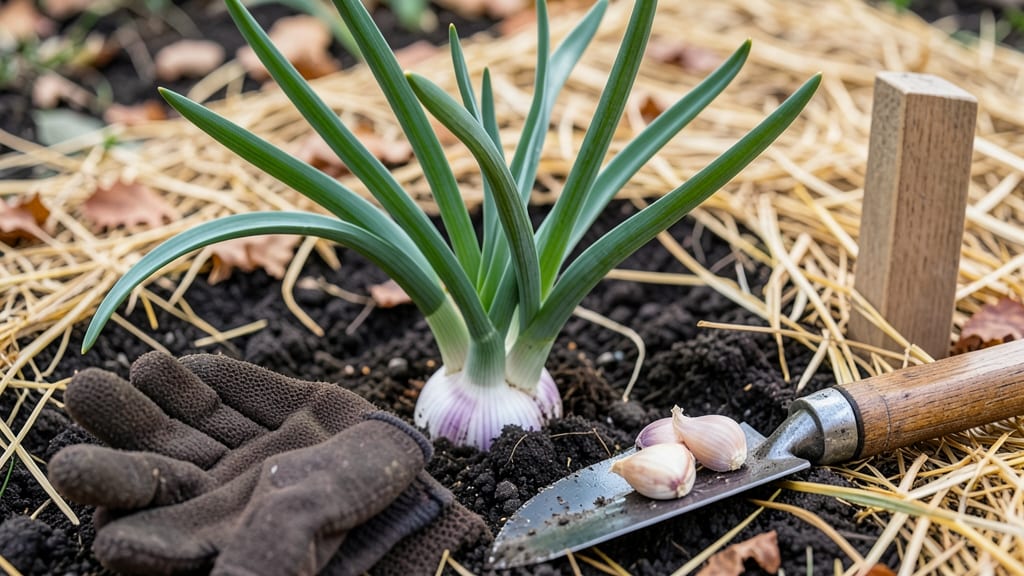
If you're wondering when do you plant garlic in Wisconsin, the answer hinges on one critical factor: timing your fall planting to outsmart the state's unpredictable freezes.
Unlike many crops, garlic thrives when planted in the cooler months, but Wisconsin's 4a-6b zones demand precision—plant too early, and the cloves may sprout before winter; too late, and they won't establish strong roots before the ground locks up.
The ideal window for Wisconsin gardeners is between mid-October and early November, but this shifts slightly depending on whether you're in northern Zone 4a (where first frosts hit by mid-October) or southern Zone 6b (with later freezes).
This timing ensures garlic gets the 4-6 weeks it needs to root before winter sets in, setting the stage for robust bulbs come summer.
What makes Wisconsin's garlic growing season unique is the balance between early frosts and snow cover. A light dusting of snow actually protects planted cloves, but prolonged cold snaps can stress young roots.
The key is planting when soil temperatures dip to 40°F—cold enough to signal dormancy but not frozen solid. This often means waiting until after the first hard frost, even if it means pushing into November.
Once you've nailed the timing, the rest is about prep: loose, well-draining soil and a thick layer of mulch to insulate the cloves through winter.
With these steps, you'll be well on your way to harvesting plump, flavorful 🧄 garlic by mid-summer—proving that Wisconsin's cold climate can actually work in your favor when it comes to growing this hardy allium.
Wisconsin garlic planting dates by hardiness Zone (zones 3-5)
Wisconsin’s USDA Zones 3-5 create distinct garlic planting windows, but the core rule remains: plant 4-6 weeks before the ground freezes. In northern Zone 3-4a, this means aiming for mid-October to early November, while southern Zone 5-6b gardeners can push planting into late October to mid-November.
The difference? A 2-3 week shift based on when your first hard frost hits.
For Zone 3-4a (northern Wisconsin), the ideal planting window is October 15–November 1. This timing accounts for earlier freezes—soil temps drop below 40°F by late October, signaling it’s time to plant.
In Zone 5-6b (southern Wisconsin), you’ve got flexibility until November 15, thanks to later frosts and milder autumns.
The key metric isn’t the calendar date but soil temperature. Use a soil thermometer to confirm temps are 40-50°F at planting time. If your soil is still above 50°F, cloves may sprout prematurely before winter sets in.
Wait until temps stabilize—this often means delaying planting into late October or November, even if it feels late.
Here’s how Wisconsin’s zones break down for garlic planting:
| Zone | First Hard Frost | Planting Window | Soil Temp Goal | Notes |
|---|---|---|---|---|
| 3-4a (Northern WI) | Mid-October | October 15–November 1 | 40–50°F | Earliest frost; prioritize hardneck varieties. |
| 4b-5a (Central WI) | Late October | October 25–November 10 | 40–50°F | Balanced zone; good for all varieties. |
| 5b-6b (Southern WI) | Early November | November 1–15 | 40–50°F | Latest frost; softneck varieties thrive here. |
Pro tip: If you’re in Zone 4a or 5a, where frosts can be erratic, err on the side of planting later. A light frost won’t harm garlic, but soil that’s too warm will trigger early sprouting, weakening the plant before winter.
Aim for 40-50°F soil—this is your golden window.
For gardeners in Zone 6b, you might even squeeze in a December planting if your soil hasn’t frozen solid. However, this is risky—cloves need 4-6 weeks to root before winter dormancy. If you plant in December, prioritize hardneck varieties, which handle cold better than softnecks.
One common mistake? Planting too early in September. While garlic can technically be planted in late summer, the cloves may sprout before winter, leading to weak roots and poor bulb development. Save September for soil prep—amend with compost, loosen the soil, and mark your planting spots.
Remember: Wisconsin’s snow cover is your ally. A blanket of snow insulates garlic cloves, protecting them from extreme cold. But if you’re in a microclimate (like a low-lying area where cold air pools), plant 2 weeks earlier to account for colder soil temps.
How to adjust your garlic planting for Wisconsin’s unpredictable weather
Wisconsin’s weather can throw curveballs—one day it’s unseasonably warm, the next a surprise frost hits. Adjusting your garlic planting strategy means staying flexible. If your soil stays warmer than 50°F into October, delay planting until temps drop.
Use a soil thermometer to confirm the 40-50°F sweet spot before planting. This small tool prevents the #1 mistake: planting too early and triggering premature sprouting.
For early frosts, don’t panic—garlic handles light frost like a champ. However, if a hard freeze (below 20°F) is forecasted within 2 weeks of planting, push your schedule back.
Cloves need time to root, and frozen soil won’t cooperate. In Zone 4a, this might mean waiting until late October even if it feels late.
🚨 Warning: Avoid planting garlic in September unless you’re in Zone 6b. Warm September soil will make cloves sprout before winter, leaving them vulnerable to frost damage. Instead, use September to prep your soil: loosen it, mix in compost, and mark your planting rows.
This ensures your garlic has the perfect foundation when you finally plant.
A late warm spell in November can trick you into thinking winter’s delayed. But garlic planted in warm soil will sprout and struggle when temps drop again. If your soil feels above 50°F in November, wait it out—patience pays off with stronger bulbs.
Mulching is your secret weapon against Wisconsin’s winter whims. After planting, cover your garlic bed with 4-6 inches of straw or leaves. This insulates cloves from freeze-thaw cycles and keeps soil temps stable.
In Zone 3-4a, add mulch as soon as the ground freezes to prevent heaving. For Zone 5-6b, mulch after the first hard frost to balance moisture.
Microclimates complicate things—your neighbor’s garden might thrive with a November planting, while your low-lying or shaded spot freezes earlier. Test your soil in multiple areas: if one spot stays warmer than 50°F while others drop below 40°F, plant the cooler areas first.
A south-facing slope might even let you plant 2 weeks later than your north-facing bed.
Finally, embrace Wisconsin’s snow cover—it’s nature’s mulch! A 6-inch snow blanket can protect garlic through -20°F temps. But if you’re in a windy or exposed area, add extra mulch to prevent cloves from drying out.
By spring, you’ll have plump, healthy bulbs ready for harvest, thanks to your weather-smart adjustments.