
Plants
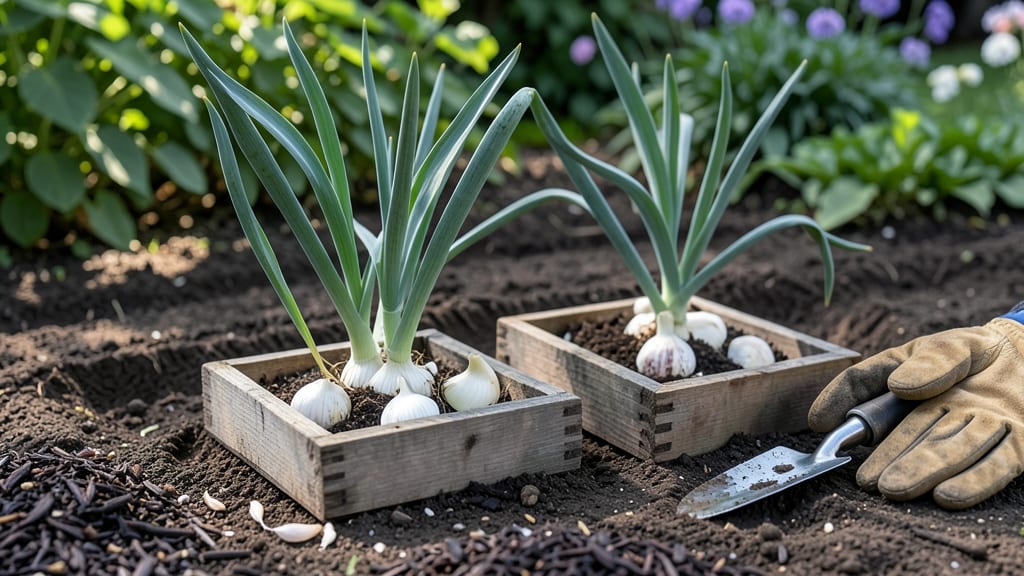
Planting garlic in Zone 9 at the wrong time could mean tiny bulbs—or worse, no harvest at all. Unlike cooler climates, Zone 9’s mild winters demand precise timing to trigger strong root growth and bulb formation before summer heat arrives.
The best window for planting garlic in Zone 9 is between October and December, when temperatures stay cool enough to encourage root development without freezing. This timing ensures your 🧄 thrives through winter and matures just as spring arrives.
Why does timing matter so much? Garlic needs 6-8 weeks of cool weather before the ground warms up—something Zone 9’s climate makes tricky. Plant too late, and you risk weak bulbs; too early, and your cloves might sprout before winter sets in.
In this guide, I’ll walk you through the exact months to plant, soil prep tips, and how to avoid common mistakes that sabotage growth. Let’s get your garlic off to the best possible start!

Optimal planting months for garlic in Zone 9: month-by-month breakdown
In Zone 9, garlic thrives when planted during the cool winter months—not the spring heat. The ideal window is October through December, when daytime temperatures hover between 60°F and 70°F and nights dip below 50°F.
This mimics garlic’s natural growth cycle, triggering root development before summer arrives.
Why this timing? Garlic needs 6-8 weeks of cool weather to establish roots before the ground warms up. In Zone 9, planting too late (after December) risks premature sprouting or weak bulb formation, while planting too early (before September) exposes cloves to heat stress before winter sets in.
Here’s the breakdown: October is the sweet spot—cooler temps and winter rains help roots anchor. November works too, but mulch heavily to protect from any late heat waves. December is a backup window, but avoid planting after the first week if your area gets sporadic frost.
| Month | Ideal Planting Time | Temperature Range | Key Considerations |
|---|---|---|---|
| October | First 2 weeks | 60°F–75°F days, 50°F+ nights | Best for root growth; align with moon phases for stronger bulbs. |
| November | Entire month | 55°F–70°F days, 45°F+ nights | Mulch heavily to retain moisture; avoid if soil is still warm. |
| December | First 2 weeks | 50°F–65°F days, 40°F+ nights | Backup window; protect from cold snaps with row covers. |
| January | Last resort | 55°F–70°F days | Risk of weak bulbs; only for missed deadlines. |
Spring planting in Zone 9 is possible but risky. If you miss the fall window, you can try January, but bulbs will likely be smaller and less flavorful. Garlic planted in spring doesn’t get enough cool weather to develop properly before summer heat arrives.
Pro tip: Check your local frost dates (even Zone 9 can get light frosts). Plant 4-6 weeks before the first expected frost to give roots time to establish. In Phoenix or coastal areas, this might mean planting as early as mid-October.
Moon phases also matter! Planting during the waxing moon (when the moon is growing) encourages stronger root growth. Aim for the first quarter moon in October or November for best results.
Remember, garlic needs 6-8 weeks of cool weather to form bulbs. In Zone 9, this means planting in fall—not spring. Rushing it can leave you with tiny, pungent bulbs instead of the large, flavorful harvest you’re after.
Next, we’ll cover how to prep your soil and cloves for Zone 9-specific success, including soil amendments and clove selection to maximize bulb size.
Optimal planting months for garlic in Zone 9: month-by-month breakdown
In Zone 9, garlic planting timing is all about catching that sweet spot between cool winter temperatures and summer heat. The ideal window is between mid-October and late December, when soil temps hover around 50-60°F—perfect for root establishment without freezing stress.
This timing ensures your garlic gets 6-8 weeks of cool weather before spring arrives, which is critical for bulb formation. Plant too late (after December), and your harvest will be small or nonexistent due to early heat. Conversely, planting too early (before October) risks premature sprouting.
Here’s a quick breakdown of what to expect each month:
| Month | Soil Temp | Planting Window | Notes |
|---|---|---|---|
| October | 55-65°F | Early to mid-October | Best time for strong root growth before winter rains |
| November | 50-60°F | Mid-November | Ideal for Zone 9’s mild winters; minimal frost risk |
| December | 45-55°F | Early December | Last chance for fall planting; avoid late December heat |
| January | 45-55°F | Backup window | Spring planting possible but yields may be smaller |
For hardneck garlic, which is popular in cooler climates, Zone 9 gardeners should focus on softneck varieties like Silverskin or Artichoke, as they tolerate warmer winters better.
If you miss the fall window, a spring planting in January can work, but expect smaller bulbs due to summer heat stress.
Pro tip: Use a moon planting guide for optimal root growth—planting during a waxing moon (when roots are encouraged) can boost bulb size by up to 20%. Just check your local moon phase calendar before digging in!
One common mistake is assuming Zone 9’s mild winters mean garlic can be planted anytime. But without that cool period, bulbs won’t develop properly. Even in warm climates, garlic needs a rest period to form strong roots and bulbs.