
Plants
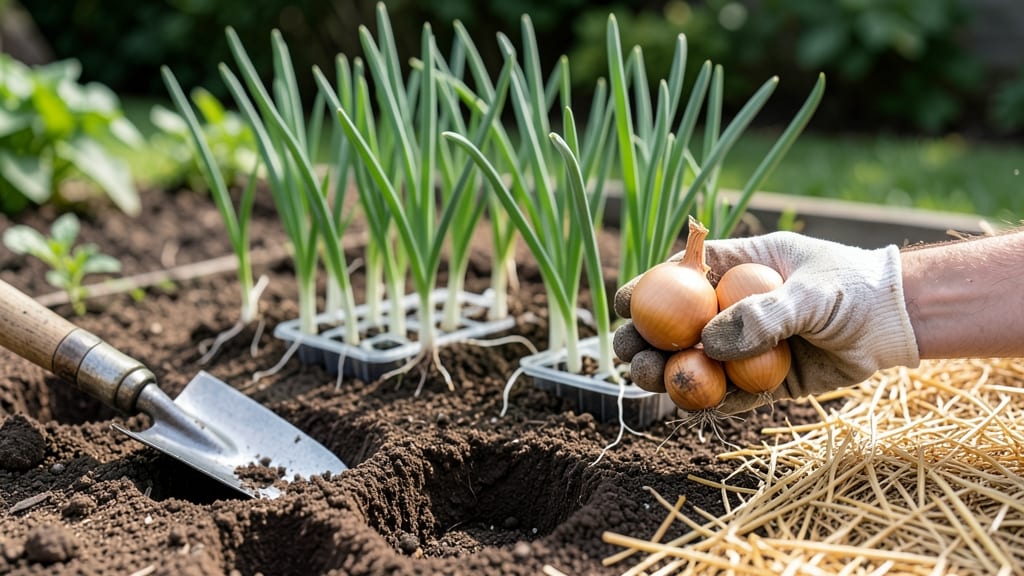
Planting onions in the fall isn't just about throwing seeds into the dirt and hoping for the best—it's the key to growing sweeter, larger bulbs that thrive the following year. Whether you're in Zone 6a or another region, timing matters more than you might think.
Most gardeners wait until September or October to plant, but the exact window depends on your first frost date. Get it wrong, and you risk weak roots or premature bolting.
I’ll walk you through the perfect timing for your area, plus how to prep soil and choose between sets, seeds, or transplants for the best results.
One common mistake? Planting too early when soil is still warm, which can trigger onions to bolt before winter. Or too late, and they won’t establish strong roots before freezing. Let’s break down the game-changer details—so you can enjoy an early harvest next summer.
From frost protection tips to variety-specific advice, you’ll learn how to set your onions up for success. Ready to grow bulbs that rival store-bought? Let’s dig in.
Fall onion planting calendar by US hardiness zones (exact months for each region)
Planting onions in the fall lets you harvest sweet, flavorful bulbs before summer heat sets in. But timing is everything—plant too early, and your onions may bolt; too late, and they won’t mature before winter.
The key is to plant 4-6 weeks before your first frost, giving roots time to establish before dormancy. This window varies by USDA hardiness zone, so let’s break it down by region.
In Zone 3 (Alaska, northern Midwest), where winters are harsh, aim for late August to early September. The ground freezes quickly, so you’ll need to plant early enough for roots to anchor but not so early that onions bolt.
In Zone 4 (New England, northern Plains), your window stretches from late August to mid-September, giving you a bit more flexibility.
For Zones 5-7 (Midwest, Northeast, Pacific Northwest), the ideal time is mid-September to early October. These regions often have milder winters, allowing onions to overwinter successfully.
Meanwhile, gardeners in Zones 8-10 (Southwest, Deep South, California) can plant as late as October to early November, thanks to warmer winters and longer growing seasons.
Regardless of your zone, aim to plant when soil temperatures hover around 50-60°F. Use a soil thermometer to check—cooler soil slows root growth, while warmer soil speeds up bolting.
For short-day varieties like Texas Early White, plant on the earlier side of the window. Long-day varieties (e.g., Yellow Sweet Spanish) need cooler fall temps to form bulbs, so plant them slightly later.
Pro tip: If your first frost is earlier than expected, opt for smaller onion sets instead of larger bulbs. Sets establish faster and are less likely to bolt before winter. Always mulch with straw or leaves (3-4 inches) after planting to insulate roots and prevent heaving during freeze-thaw cycles.
One common mistake? Planting too close to frost and hoping for the best. Onions need 4-6 weeks of root growth before dormancy sets in. If you’re unsure about your frost date, check the National Weather Service or use a frost calendar for your area.
Overwintered onions often yield larger, sweeter bulbs than spring-planted ones, but only if timed correctly.
For gardeners in Zone 7 and warmer, you can even plant a second crop in late fall (November) for an early spring harvest. Just be prepared to protect them with row covers if temperatures dip below 20°F.
The goal is to give onions enough time to develop a strong root system before winter slows growth.
Finally, remember that soil type matters. Sandy soils warm up faster and drain well, while clay holds moisture longer. Amend your soil with compost before planting to improve drainage and fertility. This ensures your onions have the energy to survive winter and rebound in spring.
Fall onion planting calendar by US hardiness zones (exact months for each region)
Planting onions in the fall isn’t just about throwing seeds into the ground—it’s about timing your planting to match your USDA zone and frost dates. Onions need 4-6 weeks before the ground freezes to establish roots and survive winter.
In warmer zones, you might plant as early as August, while colder regions should aim for September or October.
Your last planting deadline depends on when your first frost arrives. For example, in Zone 5, you’ll want onions in the soil by mid-September, while Zone 8 gardeners can push it to late October. Miss this window, and your onions may bolt or fail to overwinter properly.
Here’s a quick reference for zone-specific planting months to help you plan:
If you’re unsure about your frost dates, check your local USDA zone map or ask at a garden center. For example, Zone 6a (like much of the Midwest) typically has its first frost around October 15, so aim to plant by early September.
Pro tip: Use onion sets (small bulbs) instead of seeds for fall planting—they’re easier to time and more reliable in cold climates. Just plant them 1 inch deep and 4 inches apart for best results.
Once planted, onions will overwinter and produce early harvests the following summer. With the right timing, you’ll enjoy sweeter, larger bulbs than spring-planted varieties.
Don’t forget to mulch heavily after planting to protect roots from freeze-thaw cycles—this is key for survival in colder zones.