
Plants
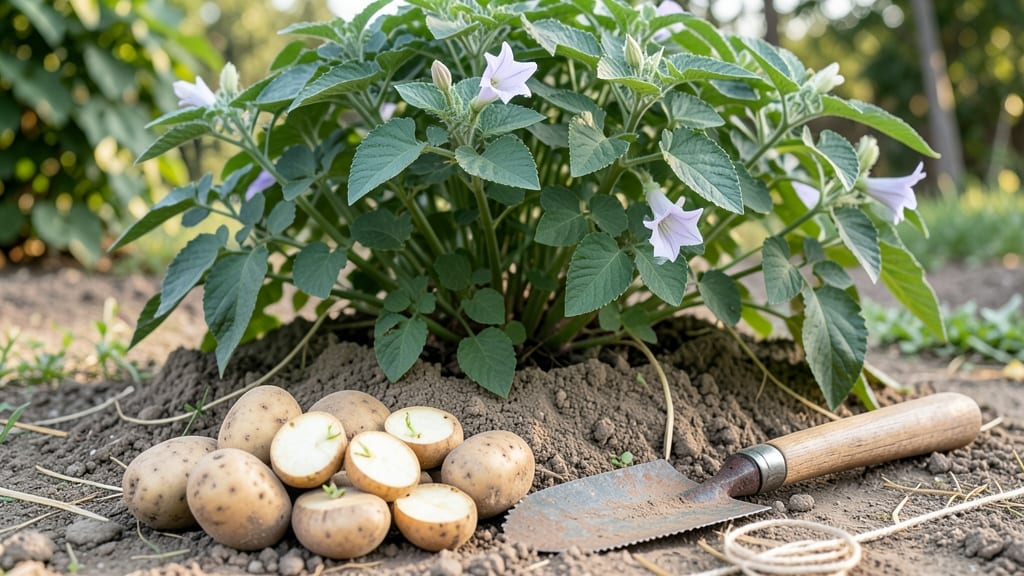
If you’ve ever wondered "when do you plant potatoes in California", the answer isn’t one-size-fits-all—because the Golden State’s climate is as diverse as its landscapes. From coastal chill to desert heat, timing your 🥔 planting right can mean the difference between a bountiful harvest and wasted effort.
Here’s the key: California’s frost-free zones (like 9a-10b) mean you can plant year-round, but cooler months—October through March—are ideal for most varieties.
Whether you’re in the Central Valley or near the coast, getting the start dates right is critical to avoiding common mistakes like early rot or stunted growth.
In this guide, I’ll break down the exact planting windows for your region, including adjustments for microclimates and how to prep your soil for success. You’ll also discover which potato varieties thrive best in California’s unpredictable weather—and when to harvest for maximum yield.
Ready to dig in? Let’s get your 🥔 patch off to the best possible start.
California potato planting dates by frost-free Zone (with exact months)
California’s diverse microclimates mean your potato planting schedule should depend on your USDA zone and proximity to the coast. Unlike northern states, most of California (Zones 9-10) never experiences frost, but cooler coastal areas (like Santa Cruz) can still see light frosts in winter.
Here’s the exact science behind timing your plantings for maximum yield.
For frost-free zones (Zones 9-10), your window is wide—October through March—but inland desert areas (like Palm Springs) can plant as late as February without risk.
Coastal gardeners should aim for October-November to avoid spring heat stress. The key is soil temperature: potatoes sprout best when soil reaches 45°F (7°C).
Here’s how to adjust your planting based on California’s 9 key frost-free zones. Use this table to pick your exact start dates:
| Zone/Region | Optimal Planting Window | Soil Temp Trigger | Harvest Window | Pro Tip |
|---|---|---|---|---|
| Coastal (Santa Cruz, Monterey) | October 15 – November 15 | 45°F (7°C) | April – June | Use row covers for late frosts |
| Bay Area (San Francisco) | October 1 – November 30 | 45°F (7°C) | April – June | Plant early varieties (60-day) |
| Central Valley (Sacramento) | November 1 – January 15 | 50°F (10°C) | May – July | Avoid spring planting (too hot) |
| Los Angeles Basin | November 15 – January 31 | 50°F (10°C) | May – July | Use drip irrigation to prevent rot |
| Desert (Palm Springs) | February 1 – March 15 | 55°F (13°C) | June – August | Plant in shade cloth for summer |
| High Elevation (Mount Shasta) | April 1 – May 15 | 40°F (4°C) | July – September | Use cold frames for early starts |
Notice how coastal zones plant earlier to avoid spring heat, while desert areas delay until February? This reflects California’s 300+ frost-free days in most regions. Even in Zone 10, planting too early (before soil warms) risks rot—potatoes need consistent cool temps (50-65°F) to grow tubers.
For successive plantings, stagger your seeds every 2-3 weeks to extend harvests. For example, if you plant in October, follow up in November and December for a continuous supply. This works especially well in cooler coastal zones where spring arrives later.
One common mistake? Planting red potatoes (like Red Pontiac) too late in Zone 10. These varieties need cooler temps to develop properly, so aim for November in warm inland areas. Meanwhile, Yukon Golds tolerate heat better and can handle January plantings in desert zones.
Pro tip: Check your local agricultural extension office for last frost dates—even in frost-free zones, unpredictable cold snaps can occur. For example, <
How to time your potato planting for California’s unpredictable weather patterns
California’s weather can be as unpredictable as a San Francisco fog rolling in—one day it’s 70°F sunshine, the next, a surprise 32°F frost in unexpected zones. That’s why planting potatoes in California requires more than just checking a calendar.
You need to account for soil temperature triggers, late-season frosts, and microclimates that can shift 10°F in just miles.
For example, the Central Valley might see no frost at all, while coastal areas like Santa Cruz can get chilly even in USDA Zone 10b.
My best advice? Plant when soil temps hit 45°F—that’s your sweet spot for sprouting without risking rot from warmth. Use a soil thermometer to avoid guesswork.
Here’s how to beat California’s weather quirks and get your potatoes off to the right start:
Pro tip: If you’re in a frost-prone zone like the Central Valley, consider using cold frames for early starts. They trap heat during the day and insulate at night—perfect for pushing your planting window 2-3 weeks earlier without risk.
Remember, overwatering in warm soil is a surefire way to rot your seed potatoes before they even sprout. Stick to deep, infrequent watering (1-2 inches per week) and always water in the morning to let foliage dry before evening chill sets in.
With these strategies, you’ll outsmart California’s weather and enjoy a bountiful harvest—no matter where you garden in the Golden State. 🌱