
Plants
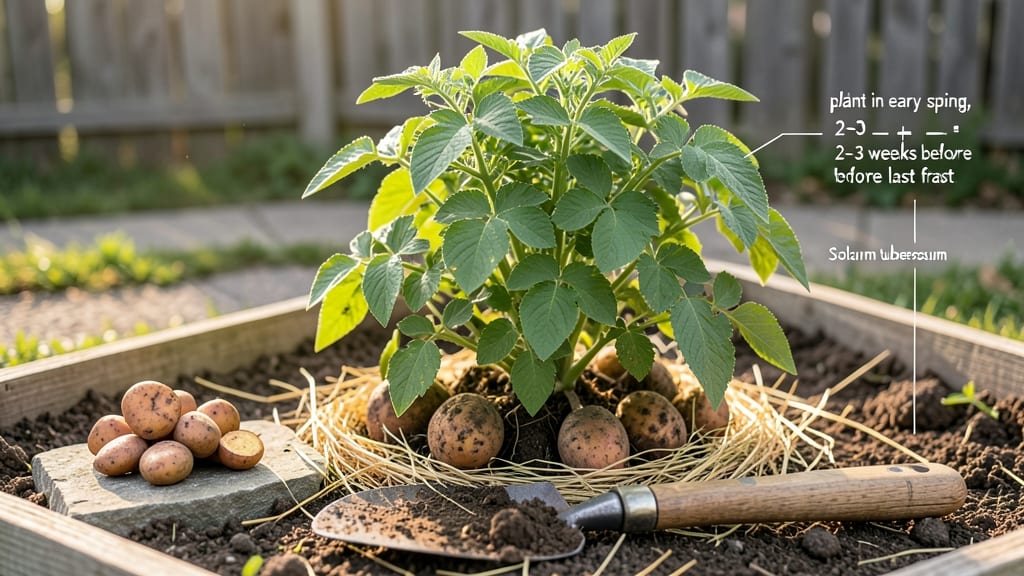
If you've ever planted 🥔 potatoes in Virginia only to watch them bolt too early and produce bitter tubers, you're not alone.
The key to a successful harvest lies in understanding your specific USDA zone and planting at the perfect time—before the last frost but not so late that rising temperatures trigger premature flowering.
In Virginia's 7a-8a zones, timing is everything. Planting too early means risking frost damage, while waiting too long can lead to plants that rush to flower instead of focusing on tuber development.
The ideal window opens in late winter or early spring, but the exact dates depend on your microclimate and variety.
I'll walk you through the precise frost-free deadlines for each zone, including how to choose between early, mid-, and late-season varieties to maximize your yield. Whether you're a seasoned gardener or new to growing 🥔 potatoes, these insights will help you avoid common mistakes that lead to wasted effort.
Discover how to extend your growing season, prevent bolting, and ensure your potato plants thrive from planting in February or March until harvest in June through August. Let's get your garden on track for that perfect harvest!
Virginia potato planting deadlines by USDA hardiness zone (avoid bolting)
Virginia spans USDA zones 6a through 8a, creating a 60-day window between the earliest (zone 6a) and latest (zone 8a) planting deadlines. Missing this window risks bolting—when plants flower prematurely—producing small, bitter tubers instead of your harvest dreams.
Let's break down the exact frost-free deadlines for each zone to help you plant 🥔 potatoes at the perfect time.
In zone 6a (northwest mountains), your last frost typically arrives April 15-30, giving you a planting window from February 15-March 15. Meanwhile, zone 8a (Tidewater region) enjoys a later last frost around April 1-15, allowing planting until March 15-April 1.
These differences mean gardeners in Roanoke and Blacksburg should plant earlier than those in Norfolk or Richmond.
Soil temperature is just as critical as frost dates. Potatoes need soil at 45°F (7°C) or warmer to sprout consistently. In zone 7a (covering Charlottesville and Lynchburg), this usually occurs by March 1, while zone 8a reaches it by February 15.
Use a soil thermometer to confirm before planting—cold soil delays sprouting and increases bolting risk.
Here's your zone-specific planting timeline with soil temperature and variety recommendations to avoid bolting:
| USDA Zone | Planting Window | Last Frost Date | Soil Temp Threshold | Recommended Varieties |
|---|---|---|---|---|
| 6a (e.g., Roanoke) | Feb 15 - Mar 15 | Apr 15-30 | 45°F (7°C) by Mar 1 | Yukon Gold, Kennebec (early) |
| 7a (e.g., Charlottesville) | Feb 28 - Mar 22 | Apr 1-15 | 45°F (7°C) by Feb 28 | Red Pontiac, Fingerling (mid) |
| 7b (e.g., Lynchburg) | Mar 1 - Mar 25 | Mar 31-Apr 10 | 45°F (7°C) by Feb 20 | Adirondack Red, Purple Viking |
| 8a (e.g., Norfolk) | Mar 15 - Apr 1 | Apr 1-15 | 45°F (7°C) by Feb 15 | Sweet Potato, Russian Banana (late) |
🌱 Pro Tip: Plant early varieties first (60-70 days to harvest) to avoid bolting before your late-season varieties (100+ days) are ready.
Choosing the right potato variety is your best defense against bolting. Early-season varieties like Yukon Gold mature in 60-70 days, perfect for zone 6a gardeners who face earlier last frosts. Mid-season types such as Red Pontiac (90 days) work well in zones 7a-7b, while late-season varieties like Russian Banana (120 days) suit zone 8a's longer growing season.
For gardeners in zone 7a or warmer, consider succession planting every 2-3 weeks after your initial planting date. This staggered approach ensures a continuous harvest and reduces bolting risk by spreading out the growing cycle.
For example, plant Yukon Gold in early March, followed by Red Pontiac in late March, and Purple Viking in early April.
If you're unsure about your exact last frost date, use the National Weather Service's Climate Data or check with your local Cooperative Extension Service. These resources provide historical frost data for your specific location, helping you fine-tune your planting schedule. For instance,
How to extend Virginia’s potato growing season for maximum yield
Virginia’s short growing season doesn’t have to limit your 🥔 potato harvest. With the right strategies, you can push your harvest dates by weeks—even months—without risking bolting or poor-quality tubers. The key lies in combining season extension tools, succession planting, and variety selection tailored to your USDA zone.
In zones 7a-8a, where last frost typically arrives by mid-April, you can start planting as early as February for early varieties. But for gardeners in cooler microclimates or those wanting a fall harvest, extending the season means protecting plants from early or late frosts and heat stress.
Let’s explore the most effective methods to maximize your yield.
First, consider using row covers or cold frames to create a microclimate that warms soil faster in spring. These tools can shave off critical weeks, allowing you to plant 2-4 weeks earlier than the traditional window.
For example, a simple floating row cover can raise soil temperatures by 5-8°F, accelerating germination and tuber development.
Another game-changer is succession planting. Instead of planting all your seed potatoes at once, stagger them in 2-3 week intervals from February through early April. This ensures a continuous harvest from June through August, reducing bolting risks and spreading out your labor.
For instance, plant early varieties like 'Yukon Gold' in February, followed by mid-season 'Russet' in March, and late varieties like 'Red LaSoda' in early April.
- Use row covers to plant 2-4 weeks earlier and protect from late frosts.
- Plant in succession with 3-week intervals for a continuous harvest.
- Choose late-bolting varieties like 'Kennebec' or 'Purple Viking' for zones 7a-8a.
- Mulch heavily with straw to maintain consistent soil moisture and cool roots.
- Harvest early for 'new potatoes' when plants flower to avoid bolting.
For gardeners in zone 6a or cooler pockets of Virginia, consider container growing. Pots warm up faster than garden beds and can be moved to sunny porches or greenhouses in early spring.
Use 5-gallon buckets or fabric grow bags, filling them with well-draining soil mixed with compost. This method also reduces bolting risks by controlling soil temperatures.
Finally, don’t overlook the power of shade cloth during peak summer months. When temperatures exceed 85°F, potatoes can bolt prematurely. A 30-50% shade cloth placed over rows can lower soil temperatures by 10-15°F, giving tubers more time to mature.
Pair this with drip irrigation to maintain even moisture, and you’ll extend your harvest window significantly.
With these strategies, you can transform Virginia’s limited growing season into a high-yield potato powerhouse. Start experimenting with row covers this February, and watch your harvest dates stretch well into August—without sacrificing quality or flavor! 🌱