
Plants
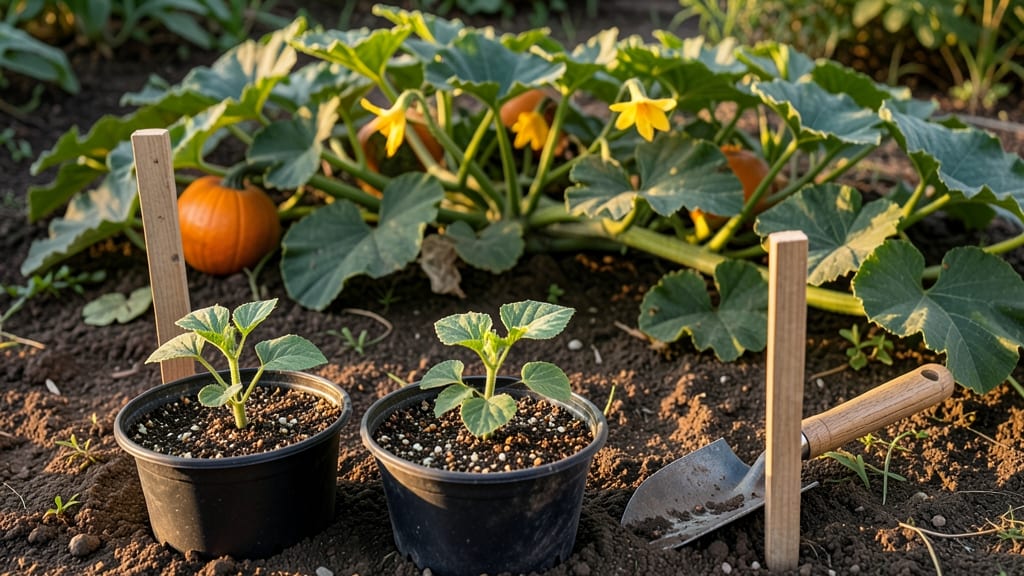
If you're wondering "when do you plant pumpkins in Washington state", timing is everything—especially when you want those vines to sprout fast and your harvest to thrive.
In Washington’s varied climate, from the cool Puget Sound to the warmer Columbia Basin, planting too early risks frost damage, while waiting too long cuts your growing season short.
Pumpkins 🌱 love warmth, so the key is waiting until the soil reaches at least 70°F—a rule that shifts slightly depending on your USDA zone.
Whether you're in Zone 5’s chilly highlands or Zone 9’s milder valleys, knowing the exact window means the difference between a thriving patch and a failed experiment.
I’ll break down the perfect planting schedule for your area, including when to start seeds indoors and how to transplant for maximum speed and success. Ready to grow pumpkins that outpace the competition? Let’s get started.
From frost dates to soil prep, you’ll discover the secrets Washington gardeners use to coax those first green shoots—without the guesswork. Your future jack-o’-lanterns (or pies!) will thank you.
Washington state pumpkin planting deadlines by USDA Zone (5-9)
Washington State spans USDA Zones 5a-9b, meaning pumpkin planting deadlines vary dramatically from the cooler Puget Sound region to the warmer Columbia Basin.
In Zone 5a (e.g., Spokane), you’ll need to start seeds indoors 4-6 weeks before your last frost date, while Zone 9b (e.g., Yakima) allows direct sowing as early as mid-March. The key? Waiting until soil temperatures hit 70°F+—cold soil slows germination to a crawl.
For most of Washington, last frost dates range from April 15 (Zone 5a) to March 1 (Zone 9b). But don’t rely solely on dates—use a soil thermometer to confirm warmth. Pumpkin seeds need consistent 70°F+ soil for reliable sprouting, and transplanting too soon after frost can stunt growth.
In Zone 7 (Seattle area), aim for May 1-15 as a safe window.
Here’s the critical rule: Plant pumpkins 3-4 weeks after your last frost date, but only when nighttime temperatures stay above 55°F. This timing ensures vines establish before late-summer heat waves or early fall frosts cut the season short.
For example, in Zone 6 (e.g., Wenatchee), that means late May planting for a 90-day harvest window before first frost.
Washington’s microclimates add complexity. The Puget Sound lowlands (Zone 8-9) often see earlier soil warming than inland areas, while the Cascade foothills (Zone 5-6) may need row covers or black plastic mulch to speed up soil heating.
If you’re in doubt, start seeds indoors 2-3 weeks before your zone’s recommended outdoor date—this buys extra time for slower-growing varieties.
Pro tip: Use biodegradable seed starters or peat pots to avoid transplant shock. These keep roots intact when moving seedlings outdoors, a must for Washington’s variable spring weather. Once planted, mulch heavily with straw to retain heat and moisture—critical in Zone 5-6 where soil dries out faster.
🌱 Washington Pumpkin Planting Deadlines by Zone
| USDA Zone | Last Frost Date | Direct Sow Window | Indoor Start (If Needed) | Soil Temp Requirement |
|---|---|---|---|---|
| Zone 5a (Spokane) | May 15 | June 1-15 | April 1-15 | 70°F+ |
| Zone 6 (Wenatchee) | April 30 | May 15-30 | March 20-April 5 | 70°F+ |
| Zone 7 (Seattle) | April 15 | May 1-15 | March 10-25 | 65°F+ |
| Zone 8 (Vancouver) | March 15 | April 1-May 1 | Optional (fast varieties) | 60°F+ |
| Zone 9b (Yakima) | February 15 | Mid-March | Not needed | 55°F+ |
Washington state pumpkin planting deadlines by USDA Zone (5-9)
Washington’s diverse climate means pumpkin planting windows vary dramatically from the cool Puget Sound to the warmer Columbia Basin. In Zone 5a (e.g., Mount Vernon), you’ll need to wait until late May when soil hits 70°F+, while Zone 9b (e.g., Yakima) can start as early as mid-April.
The difference? 30+ days in planting timing.
To avoid frost damage, use your last frost date as a guide—pumpkins thrive when nights stay above 50°F. In Zone 6-7 (Seattle, Wenatchee), aim for early to mid-May; in Zone 8-9 (Tri-Cities, Walla Walla), you can plant as early as April if soil warms quickly.
Always test with a soil thermometer!
For fast germination, transplant seedlings when they’re 3-4 weeks old and soil is consistently warm. In Zone 5-6, use black plastic mulch to warm soil 5-7°F faster—this can shave 2 weeks off your growing season. I’ve seen pumpkins sprout in 3 days with this trick!
Pro tip: In Zone 7+, you can even try a second planting in early July for fall harvests. Just choose fast-maturing varieties (e.g., 'Jack Be Little') to beat the first frost. Your neighbors will be jealous of your double harvest!
Remember: Pumpkins need 100+ frost-free days to mature. If your zone’s growing season is tight, prioritize compact varieties like 'Cinderella'—they mature in just 75 days and handle cooler temps better than giant types.