
Plants
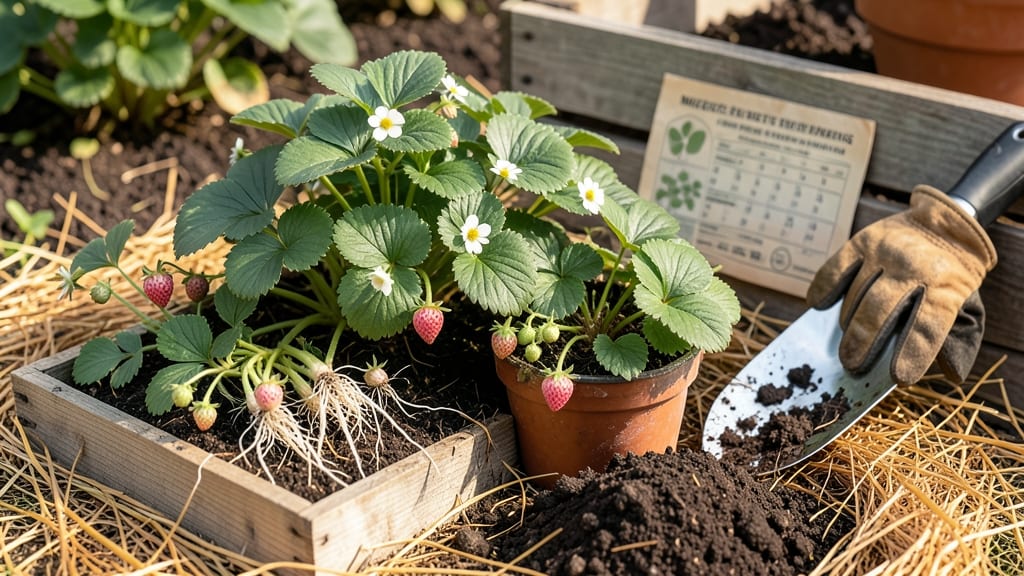
Planting strawberries in Michigan at the wrong time can turn your dream harvest into a disappointing flop—especially when bolting strikes before you even taste that first sweet berry.
The perfect window for planting these 🍓 gems hinges on understanding your zone (5b-6b) and avoiding late frosts that can ruin tender new plants.
Most Michigan gardeners swear by early spring planting in March or April, but late summer (August) is also a smart move for everbearing varieties. The key?
Getting them in the ground when soil temps hit 40°F—too early, and roots struggle; too late, and your harvest shrinks before peak season.
Whether you're working with bare-root plants or potted seedlings, timing isn’t just about the calendar—it’s about your microclimate. Urban areas might need a 2-week buffer compared to rural zones, and choosing the right variety (June-bearing vs. everbearing) makes all the difference in your yield.
Let’s break down the exact weeks to plant, soil prep secrets, and how to stretch your harvest window—so you can enjoy those juicy 🍓 from June through August without the guesswork.
Michigan strawberry planting calendar: exact weeks to avoid bolting in zones 5-6
Michigan’s Zone 5-6 climate demands precise timing for strawberry planting—miss the window, and you risk bolting (premature flowering) or winter kill. The key is planting when soil temperatures hit 40°F but before last frost dates, which typically land between mid-April and early May in most regions.
For fall planting, aim for late August to give roots time to establish before winter.
First, check your local frost dates—Michigan’s vary wildly from southern Detroit (Zone 6a) to northern Traverse City (Zone 5b). Use the National Weather Service or Michigan State University Extension tools to pinpoint your exact 10-year average last frost.
Plant 4-6 weeks before that date for spring, or 6-8 weeks before first frost in fall.
Soil prep is non-negotiable. Strawberries thrive in well-draining, slightly acidic soil (pH 5.5-6.8). Work in 2-3 inches of compost and a balanced fertilizer (10-10-10) 2 weeks before planting. Avoid fresh manure—it can burn roots and attract pests like slugs.
Now, let’s break down the exact planting windows for Michigan’s two primary methods:
For June-bearing varieties (like Honeoye or Jewel), spring planting is ideal—these produce one massive harvest in late June. Everbearing varieties (e.g., Seascape) can handle fall planting and yield two smaller harvests (spring and fall).
Pro tip: If you plant in late May, use row covers to protect from late frosts and extend the season.
Michigan’s microclimates matter—urban areas like Detroit often warm up 1-2 weeks earlier than rural Upper Peninsula zones. Monitor your garden’s sun exposure and wind patterns; strawberries need 6+ hours of sun daily, but afternoon shade helps in hot inland areas like Lansing.
After planting, mulch heavily with straw or pine needles to retain moisture and suppress weeds. Avoid plastic mulch—it traps heat and can cook roots during Michigan’s unpredictable heatwaves. Water deeply 2-3 times per week for the first month, then taper to 1 inch per week once established.
First-year strawberries may produce few berries as they focus on root growth, but second-year plants reward patience with pounds of fruit. In Michigan, June-bearing varieties peak in late June–July, while everbearing types stretch harvests into early September. Plan ahead—freeze or preserve extras to avoid waste!
🌱
Spring vs. fall planting: which Michigan method yields bigger strawberries?
Michigan’s unpredictable frosts and short growing seasons force gardeners to choose between spring and fall strawberry planting—but which delivers sweeter, heavier yields? The answer depends on your variety and microclimate. Let’s break down the pros, cons, and yield secrets for Michigan’s Zone 5-6 gardeners.
Most Michigan gardeners default to spring planting (March–April) because it aligns with June-bearing varieties like ‘Honeoye’ or ‘Jewel’. These plants need chilling hours (300–500) to set fruit, and spring planting ensures they’re established before late-May blooms.
However, spring-planted strawberries often yield 50% less in their first year—meaning bigger harvests start year two.
Fall planting (August–early September) is riskier but can produce earlier fruit in Year 1 if done right. Everbearing varieties like ‘Seascape’ thrive with fall planting, delivering two harvests: a small fall crop and a larger spring harvest.
The catch? Fall-planted crowns must survive winter heaving (soil freezing/thawing) and late frosts. Mulch with 6+ inches of straw to protect roots.
Here’s the yield comparison for Michigan’s most popular methods:
Spring Planting (March–April)
- Best for June-bearing varieties
- Established roots before summer heat
- Lower risk of winter heaving
- First-year yields are minimal (50% less)
- Late frosts can damage blossoms
- Requires longer establishment time
Fall Planting (August–September)
- Earlier Year 1 harvest with everbearers
- Plants establish roots before winter
- Better for urban gardens (less competition)
- Higher winter mortality risk (20–30%)
- Late frosts can kill early blooms
- Requires heavy mulching (6+ inches)
For maximum yields, combine both methods: Plant June-bearing in spring and everbearing in fall. This stretches your harvest from June to September while minimizing bolting risks. Pro tip: Use black plastic mulch in spring to warm soil faster and straw mulch in fall to insulate roots.
If you’re in northern Michigan (Zone 5b), err on the side of spring planting—fall frosts are more brutal. Gardeners in southern Michigan (Zone 6a) can experiment with fall planting for earlier fruit, but always use cold-hardy varieties like ‘Chandler’ or ‘Albion’.
Remember: The soil temperature is your best guide. Strawberries need soil at 40–50°F to root—wait until then, even if the calendar says "spring." Use a soil thermometer to avoid bolting.