
Plants
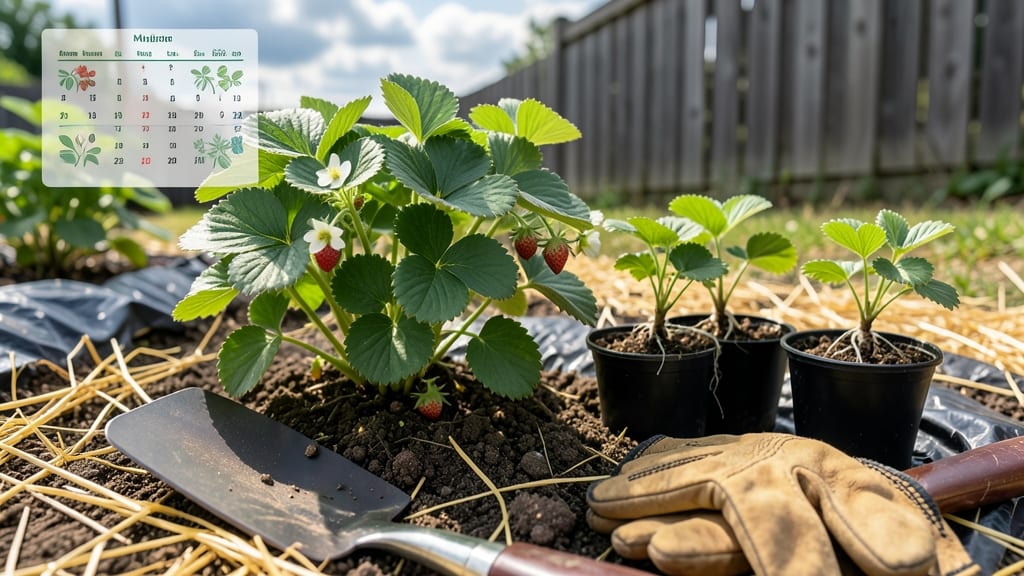
Planting strawberries in Missouri at the wrong time can mean the difference between a bountiful 🍓 harvest and wasted effort. Whether you're a seasoned gardener or just starting out, timing is everything—especially when chill-hour needs vary by variety and frost dates shift each year.
The key to success lies in understanding Missouri's 5b-6b climate, where early spring (March-April) and early fall (September-October) offer the best windows. Plant too early, and frost will damage tender roots; too late, and your berries may never reach full maturity.
I'll show you exactly when to plant based on your strawberry type and how to prepare your soil for maximum growth.
Most gardeners prefer bare-root plants in fall for established roots before winter, but potted varieties give you more flexibility. With the right preparation, you can extend your growing season and enjoy fresh strawberries from late spring through early summer. Let's dive into the perfect planting schedule for your Missouri garden.
You'll discover how to calculate chill hours for your specific variety, when to mulch for frost protection, and which Missouri-adapted strawberries thrive best in your zone. By the end, you'll have a clear, step-by-step plan to plant with confidence—and watch your strawberry patch flourish.
Best planting times for strawberries in Missouri by chill-hour needs
Missouri’s climate presents a unique challenge for strawberry growers, where chill-hour requirements determine whether your plants thrive or struggle. Most strawberries need 500-1000 chill hours (temperatures between 32°F and 45°F) to produce fruit.
In Missouri’s USDA Zones 5b-6b, this means timing your planting to align with natural temperature shifts is critical.
June-bearing varieties, like ‘Chandler’, need the most chill hours (800-1000 hours), while day-neutral varieties, such as ‘Seascape’, adapt better with fewer chill hours (300-500 hours). Understanding these differences ensures you choose the right variety for your microclimate and plant at the optimal time.
For Missouri gardeners, the two best windows are early spring (March-April) and early fall (September-October). Spring planting allows roots to establish before summer heat, while fall planting leverages cooler temperatures for root growth before winter dormancy. Both methods can yield a bountiful harvest if done correctly.
Here’s how to match your strawberry variety to Missouri’s planting schedule based on chill-hour needs:
| Variety Type | Chill-Hour Needs | Best Planting Time | Missouri Notes |
|---|---|---|---|
| June-Bearing | 800-1000 hours | Early Spring (March-April) or Early Fall (September) | Best for large harvests; needs full dormancy. |
| Everbearing | 500-700 hours | Early Spring (March) or Late Summer (August) | Produces two harvests; adaptable to shorter winters. |
| Day-Neutral | 300-500 hours | Spring (April) or Fall (October) | Continuous fruit production; ideal for extended seasons. |
If you’re unsure about your local chill hours, check with the University of Missouri Extension or use a chill-hour calculator to input your zip code. For example, Columbia (Zone 6a) typically accumulates 900-1100 chill hours, while Kansas City (Zone 6b) sees 800-950 hours.
This data helps you fine-tune your planting schedule for success.
For spring planting, aim to plant 4-6 weeks before the last frost (usually mid-March to early April in Missouri). This gives roots time to establish before the soil warms.
In contrast, fall planting should occur 6-8 weeks before the first frost (typically late September to early October) to allow roots to grow before winter dormancy.
One common mistake Missouri gardeners make is planting too late in spring, which can lead to weak root systems before summer heat sets in. Conversely, planting too early in fall risks exposing young plants to early frosts.
To avoid this, monitor your local frost dates and adjust your schedule accordingly.
Pro tip: Use mulch (straw or pine needles) after planting to insulate roots from temperature swings. This is especially important in Missouri’s variable spring and fall weather, where temperatures can fluctuate 20°F in a single week.
Mulch also suppresses weeds and retains moisture, giving your strawberries a head start.
For bare-root plants, soak the roots in water for 1-2 hours before planting to rehydrate them. If using potted plants, transplant carefully to avoid disturbing the root ball. Both methods work in Missouri, but bare-root plants are often more affordable and widely available in early spring.
Finally, consider container gardening if your soil is heavy clay or poorly draining. Containers allow you to control soil quality and drainage, which is crucial for strawberries. Just ensure your pots have drainage holes and use a well-draining potting mix.
Step-by-step Missouri strawberry planting schedule: fall vs. spring
Planting strawberries in Missouri follows a strict timeline to avoid frost damage and maximize root growth. My go-to strategy? Fall planting for established roots before winter, but spring offers flexibility if you missed the fall window. Both methods work—it’s all about timing and soil prep.
For fall planting, aim for late September to early October when soil temps drop below 80°F but before the first frost. This gives roots 4-6 weeks to establish before winter dormancy.
In spring, plant 4-6 weeks before your last frost date (typically mid-March to early April in Missouri’s 5b-6b zones).
Here’s my step-by-step schedule to nail the perfect planting window, whether you’re using bare-root plants or potted varieties. Each step ensures strong roots, disease resistance, and a bountiful harvest.
📋 Strawberry Planting Timeline for Missouri
-
📅 Late September - Early October (Fall)
Soil Prep: Test pH (6.0-6.5), amend with compost, and till to 12" deep. -
🌱 Mid-October (Fall)
Planting: Space plants 18-24" apart, mulch with straw (4-6"), and water deeply. -
❄️ November (Fall)
Frost Protection: Add extra mulch (6-8") to insulate roots; avoid watering. -
🌱 Mid-March - Early April (Spring)
Soil Prep: Rake away old mulch, fertilize (10-10-10), and water lightly. -
🍓 Late April (Spring)
Planting: Plant bare-root crowns 1/2" deep; water immediately and mulch. -
☀️ May - June (Spring)
Care: Thin runners, fertilize monthly, and watch for pests (slugs, spider mites).
Spring planting requires more urgency—soil must warm to 50°F before planting, or roots stay dormant. I always check soil temps with a thermometer to avoid delays. For fall planting, cooler temps (60-70°F) are ideal, so late September is perfect in Missouri’s climate.
Pro tip: Use black plastic mulch in spring to warm soil faster and extend the season. It also suppresses weeds and keeps berries clean. Just remove it in early summer to prevent overheating.
Missouri’s 5b-6b zones mean frost dates vary by region. Northern areas (like St. Joseph) may need to plant 2 weeks later than southern areas (like Springfield). Always check your local Missouri Botanical Garden frost map for precision.
After planting, consistent moisture is critical. Water deeply 2-3 times per week in spring/summer, but reduce to once every 10 days in fall. Overwatering can rot roots—always let soil dry slightly between waterings.
With this schedule, your strawberries will establish strong roots, survive winter, and reward you with juicy berries from late May to July. Happy planting! 🍓