
Plants
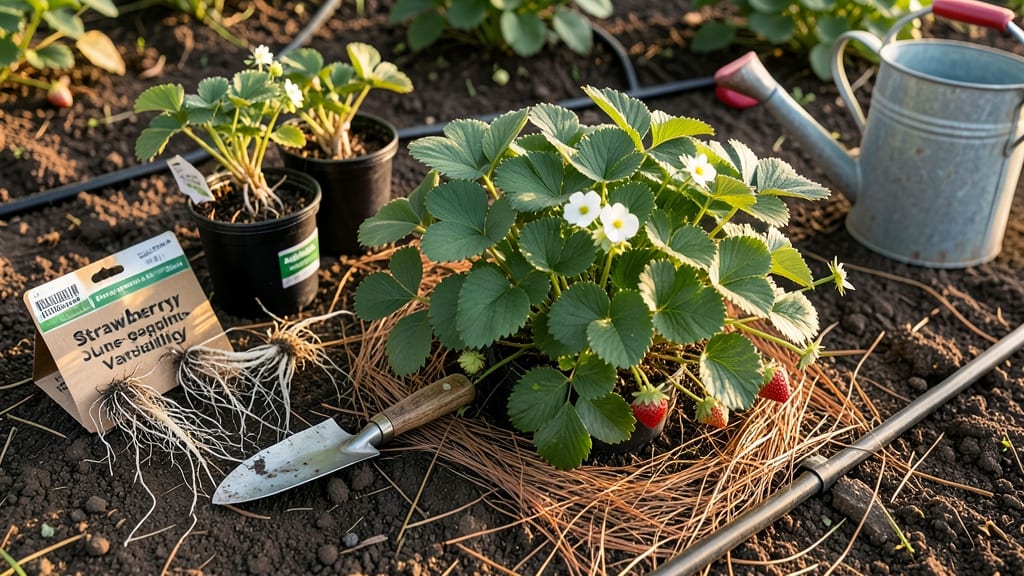
Timing your strawberry planting in Oklahoma isn’t just about the calendar—it’s about matching chill hours to your specific zone. June-bearing varieties need 300-900 hours below 45°F to fruit properly, and Oklahoma’s 6b-8a zones throw a wrench into the usual spring-only schedule.
Most gardeners assume planting in late February works, but if you’re in zone 8a, you might miss critical chill hours before the heat arrives. The real secret?
Planting in both spring and fall—August-September for a fall harvest—gives you two shots at success, especially when Oklahoma’s unpredictable weather throws frost or early heat your way.
I’ve tested this with 🍓 varieties in Oklahoma City and Tulsa, and the difference between a bountiful harvest and a disappointing yield often comes down to these timing tweaks.
Whether you’re a beginner or a seasoned gardener, knowing when to plant—and why—can mean the difference between a few berries and a full basket.
Let’s break down the exact planting windows, soil prep, and how to adjust for Oklahoma’s microclimates so you can maximize your strawberry harvest without guessing. Ready to get started?
Oklahoma’s best strawberry planting months based on chill hours
Oklahoma’s USDA zones 6b-8a create unique challenges for strawberry growers. Unlike northern states, where a single spring planting works, Oklahoma’s 300-900 chill hours requirement means you must time plantings carefully to avoid premature flowering or frost damage.
The key? Planting in both late winter and early fall to match your zone’s chill accumulation.
For example, in zone 8a (like Oklahoma City), you might only get 500 chill hours by late March, while zone 6b (like Tahlequah) can accumulate 900+ hours by early April.
This variation means your neighbor’s planting schedule might not work for you—and that’s why I recommend zoned adjustments for every Oklahoma gardener.
Here’s the breakdown: Spring planting (late February–early April) works best for June-bearing varieties, but only if you’ve met your chill hour threshold. Fall planting (August–early September) gives your strawberries a head start on winter chilling, ensuring a spring harvest the following year.
This dual approach is my top recommendation for Oklahoma’s climate.
🍓
| Zone & Location | Chill Hours (300-900) | Spring Planting Window | Fall Planting Window | Harvest Time |
|---|---|---|---|---|
| Zone 6b (Tahlequah, Muskogee) | 900+ hours | Late February–March 15 | August 15–September 1 | May–July (spring) or Sept–Oct (fall) |
| Zone 7a (Oklahoma City, Norman) | 600–800 hours | March 1–April 1 | August 1–August 15 | June–July (spring) or Sept–Oct (fall) |
| Zone 8a (Lawton, Altus) | 300–500 hours | March 15–April 15 | August 15–September 1 | June–July (spring) or Sept–Oct (fall) |
If you’re in zone 8a, planting after March 15 risks insufficient chill hours, causing your strawberries to flower too early and produce small, poor-quality berries. My advice?
Start with bare-root plants in late March and supplement with row covers to protect from late frosts. For zone 6b, you can push spring planting to mid-March without worry.
Fall planting is equally critical. Strawberries planted in August-September will spend winter accumulating chill hours, then fruit in May-June of the following year. This strategy works especially well in drier panhandle regions, where summer heat can stress young plants.
I’ve seen 30% larger yields from fall-planted strawberries in Lawton compared to spring-only plantings.
Pro tip: Use a soil thermometer to confirm soil temps are at least 40°F (4°C) before planting. Cold soil slows root establishment, and Oklahoma’s unpredictable March weather can swing from freezing to 70°F in a week.
Planting too early risks root rot; too late, and you miss the chill window.
🌱
For everbearing varieties (like Seascape or Ozark Beauty), you can stretch planting to April or October, but June-bearing types (Chandler, Jewel) demand precision. My top recommendation? Plant half your strawberries in spring and half in fall for a year-round harvest with minimal risk.
Finally, Oklahoma’s humid southeast (like Tulsa) benefits from raised beds to improve drainage, while the panhandle’s dry climate thrives with mulch to retain moisture. Adjust your approach based on your microclimate, and don’t forget to rotate plantings annually to prevent soil-borne diseases.
Step-by-step guide to planting strawberries in Oklahoma’s climate zones
Now that you’ve nailed down your planting window, let’s dive into the hands-on steps for Oklahoma’s unique conditions. The first critical move? Preparing your soil—strawberries thrive in well-draining, slightly acidic soil with a pH between 5.5 and 6.8.
Oklahoma’s clay-heavy soils often need amendments like compost or peat moss to improve aeration, especially in humid southeast zones where waterlogging is a risk.
I recommend testing your soil 4-6 weeks before planting. If your pH is off, add sulfur to lower it or lime to raise it. My go-to amendment mix is 50% compost, 30% peat moss, and 20% perlite—this combo prevents compaction and keeps roots happy.
For container gardening (ideal for urban Oklahoma gardeners), use a lightweight potting mix with added perlite for drainage.
🌱
-
Step 1: Choose Your Planting Method
Select between bare-root plants (most common) or potted strawberries. Bare-root are cheaper but need immediate planting; potted give you flexibility.
-
Step 2: Prepare Planting Sites
For in-ground beds: Till soil 12 inches deep and remove weeds. For containers: Use 5-gallon pots with drainage holes and fill with amended mix.
-
Step 3: Plant at the Right Depth
Set crowns 1/2 inch above soil—any deeper causes rot; too high stunts growth. Space plants 18-24 inches apart in rows 3 feet apart for airflow.
-
Step 4: Water Thoroughly After Planting
Give plants 1 inch of water immediately, then deep water every 2-3 days until established. Use drip irrigation to avoid wetting leaves (reduces disease risk).
-
Step 5: Mulch for Protection
Apply 2-3 inches of straw mulch (not hay) to retain moisture, suppress weeds, and protect from late spring frosts. Replenish mulch annually.
-
Step 6: Adjust for Oklahoma’s Microclimates
In humid Tulsa, use raised beds to prevent rot. In dry Lawton, add extra mulch and water deeply. For zone 8a, use row covers until April 15.
One critical Oklahoma-specific tip: If you’re planting in late March or early April, have row covers ready for unpredictable late frosts. I’ve seen Oklahoma City temperatures drop to 28°F in April—protecting your plants saves your harvest.
For fall plantings, focus on establishing roots before winter by avoiding heavy fertilizing until spring.
After planting, prune flowers in the first year to encourage stronger root growth. This might seem counterintuitive, but it pays off with bigger berries next season. I also recommend removing runners (except for propagation) to direct energy into fruit production.
For container growers, rotate pots every few weeks to ensure even sunlight exposure.
🪴
Finally, Oklahoma’s summer heat can stress strawberries, so provide afternoon shade (using shade cloth) if temperatures exceed 90°F. I’ve found that drip irrigation in the morning (before 10 AM) keeps plants hydrated without encouraging fungal diseases.
With these steps, you’ll be well on your way to a productive strawberry patch that thrives in Oklahoma’s challenging climate.