
Plants
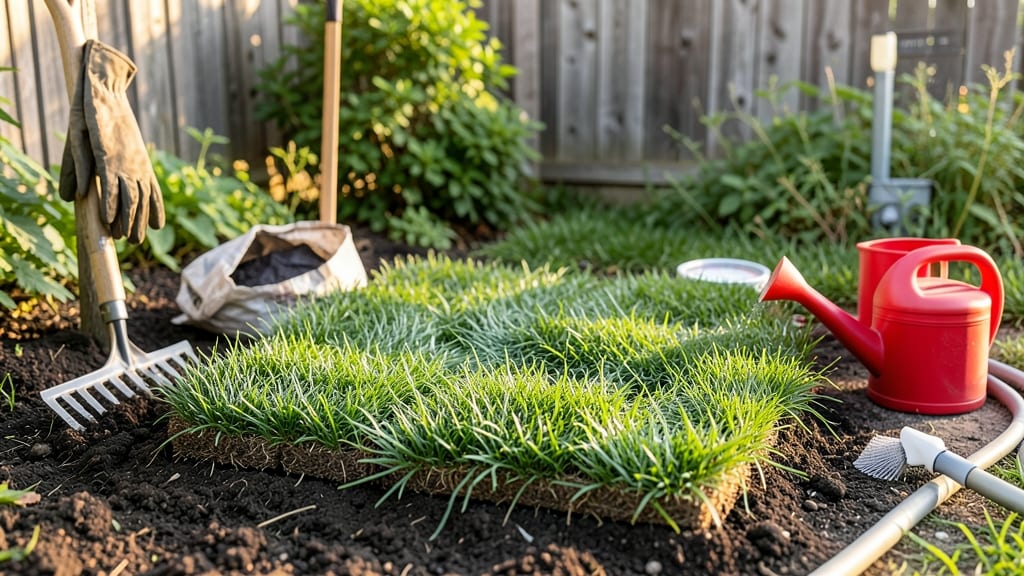
Planting summer grass in Arizona at the wrong time can turn your lawn dreams into a sun-scorched memory—but get the timing right, and you’ll unlock a lush, drought-resistant yard that thrives during the monsoon season. The key isn’t just waiting for spring; it’s strategically planting cool-season grasses like tall fescue or ryegrass when temperatures dip just enough to give seeds a fighting chance.
Arizona’s 9b climate means traditional planting windows don’t apply here. Instead, focus on late July through mid-September, when soil cools slightly and monsoon rains arrive to hydrate your new grass without overwhelming it.
This isn’t just about luck—it’s about working with Arizona’s unique weather patterns to create the perfect conditions for germination.
I’ll show you exactly how to prepare your soil, choose the right grass varieties, and maintain your lawn through the summer heat. Whether you’re in Phoenix or Flagstaff, these tricks will help you avoid the common pitfalls that leave lawns looking more like a desert than a green space.
Ready to transform your yard? Let’s dive into the monsoon-driven planting schedule that’ll give your grass the best shot at success—without wasting water or effort.
Optimal Arizona summer grass planting timeline: monsoon-driven seed germination windows
Arizona’s monsoon season (July-September) creates a narrow but perfect window for planting cool-season grass seeds. Unlike traditional spring planting, summer grass thrives when soil temperatures drop below 85°F—a rare opportunity in the desert.
The key is planting after the first monsoon rains but before the heat peaks again in October.
Most gardeners in Phoenix, Tucson, and Prescott target late July to mid-September for optimal germination. This timing aligns with when soil moisture remains high from monsoon storms, reducing the need for manual watering. However, Flagstaff’s cooler climate may extend the window slightly later into September.
Your planting success hinges on three critical factors: soil temperature, rainfall patterns, and seed variety. Tall fescue and ryegrass germinate best when soil temps stay between 60-75°F. Use a soil thermometer to confirm conditions before sowing—this is non-negotiable in Arizona’s heat.
Pro Tip: Check your local National Weather Service forecast for monsoon predictions. Aim to plant within 24-48 hours after a 0.5-inch rain event to capitalize on natural moisture. This strategy can cut your watering needs by 50% during establishment.
| Planting Window | Soil Temp Range | Rainfall Trigger | Grass Variety |
|---|---|---|---|
| Late July | 65-75°F | First monsoon storm | Tall fescue |
| Early August | 60-70°F | 0.5" rainfall | Perennial ryegrass |
| Mid-August | 55-65°F | Consistent storms | Fine fescue |
| Mid-September | 60-70°F | Tail-end monsoons | Ryegrass mixes |
🌱 Best Time = After Rain + Cooling Soils
If you miss the monsoon window, don’t despair—late August can still work for fast-germinating varieties like annual ryegrass. These seeds sprout in as few as 5-7 days when soil temps drop, making them ideal for last-minute planting. Just be prepared for intensive watering if natural rains taper off.
For high-elevation areas (e.g., Sedona, Flagstaff), the window extends to early October thanks to cooler nights. Test your soil’s moisture retention by digging a 6-inch hole—if it stays damp for 24 hours after rain, it’s prime planting time.
In low-desert regions (e.g., Yuma), stick strictly to July-August to avoid October heat stress.
Critical Mistake to Avoid: Planting before the monsoons arrive. Without natural rainfall, your seeds will dry out within 48 hours in Arizona’s summer heat. Always wait for that first 0.5-inch rain event before sowing—this simple rule saves 90% of failed summer lawns in the state.
Once planted, mulch lightly with straw to retain moisture and protect seeds from wind erosion. Water lightly twice daily (morning and evening) until germination occurs, then taper to deep weekly waterings once established. This two-phase watering strategy mimics monsoon patterns for healthier root development.
Optimal Arizona summer grass planting timeline: monsoon-driven seed germination windows
Arizona’s monsoon season (July-September) creates a narrow but perfect window for planting cool-season grasses. Unlike traditional spring planting, summer grass thrives when soil temperatures drop below 85°F and monsoon rains provide natural hydration. This timing avoids the extreme heat of mid-summer while leveraging Arizona’s unique climate patterns.
The ideal planting window spans from late July to mid-September, aligning with the first monsoon rains. During this period, soil stays moist longer, reducing the need for manual watering while preventing seed desiccation.
Grass seeds like tall fescue and ryegrass germinate best when daytime highs are between 75-85°F and nighttime lows dip below 70°F.
Waiting until mid-August gives seeds a head start before the heaviest rains arrive. Early planting (late July) risks heat stress, while planting after mid-September may coincide with cooler temperatures that slow germination. Use a soil thermometer to confirm temperatures are in the optimal range before sowing.
For Phoenix and Tucson, aim for planting in late July when monsoon rains typically begin. In Flagstaff and higher elevations, wait until early August when temperatures are slightly cooler. Always check local weather forecasts for monsoon onset dates, as these can vary yearly.
After planting, maintain consistent moisture without overwatering. Monsoon rains should supplement your efforts, but use a rain gauge to track accumulation. Once germination occurs (typically 7-14 days), reduce watering frequency to prevent fungal diseases common in Arizona’s humid summers.
Timing isn’t just about when you plant—it’s about working with Arizona’s unique climate rhythms. By aligning your planting schedule with monsoon patterns, you’ll give your grass the best chance to establish roots before winter dormancy begins.
This strategy minimizes water waste while maximizing lawn health during the most challenging growing season.