
Plants
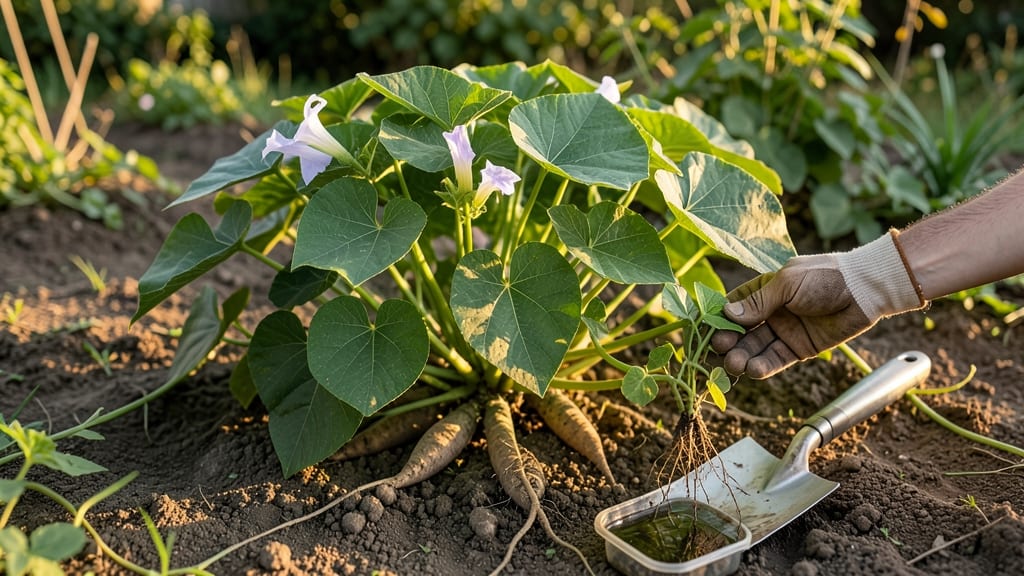
If you’ve ever wondered when do you plant sweet potatoes in North Carolina, the answer isn’t just about the calendar—it’s about avoiding frost, optimizing soil warmth, and giving your 🍠 the best shot at a bountiful harvest.
Planting too early risks chilly soil and stunted growth, while waiting too long cuts your growing season short. The ideal window is narrow but critical: mid-April to early June, once soil temperatures hit a steady 65°F and all frost danger has passed.
Why does timing matter so much? Sweet potatoes are heat-lovers, and North Carolina’s 7a-8b climate gives you just 180-220 frost-free days to work with. That means every week counts—whether you’re growing slips (young plants) or starting from seed.
Local gardeners know that planting too soon can lead to leggy, weak vines, while late starts may leave tubers undersized by harvest season (late September to November).
Here’s the game-changer: regional microclimates play a huge role. Coastal areas can plant earlier than the Piedmont, while mountain zones might need to wait until late May.
I’ll break down the exact frost-free dates for your corner of the state, plus how to prep your soil for maximum sweet potato success—because even the best timing won’t help if your beds aren’t ready.
Ready to dig in? Let’s explore the zero-frost planting window, soil secrets, and pro tips to turn your North Carolina garden into a sweet potato powerhouse—no guesswork required.
Best planting months for sweet potatoes in North Carolina (with frost-free guarantees)
North Carolina’s USDA Zones 7a-8b offer perfect conditions for growing sweet potatoes, but timing is everything. Planting too early risks frost damage, while waiting too long shortens the growing season. The ideal window is mid-April to early June, after the last frost date—which varies by region.
In Coastal NC, where last frosts typically occur by March 15, you can start as early as late March for a longer harvest. Meanwhile, Mountain regions (like Asheville) often see frost until April 15, so wait until early May to avoid cold snaps.
Piedmont areas fall in between, with mid-April being the safest bet.
Sweet potatoes thrive with 180-220 frost-free days, so aim to plant slips (young plants) when soil temperatures hit 65°F. Use a soil thermometer to confirm—cooler soils delay growth, while warmer soils (above 75°F) can stress young plants. This balance is key for maximum tuber development.
Here’s how North Carolina’s three main regions compare for planting sweet potatoes:
| Region | Last Frost Date | Ideal Planting Window | Soil Temp Requirement | Risk of Early Planting |
|---|---|---|---|---|
| Coastal (e.g., Wilmington) | March 15 | Late March–April 15 | 65°F+ | Low (warmer microclimates) |
| Piedmont (e.g., Raleigh) | April 1 | Mid-April–May 1 | 65°F+ | Moderate (frost pockets) |
| Mountains (e.g., Boone) | April 15 | Early May–June 1 | 65°F+ | High (late frosts) |
Planting slips (not seeds) is the best approach in North Carolina, as they mature faster and avoid the 90+ days required for seed germination. Buy slips from local nurseries or start your own from store-bought sweet potatoes in water or moist perlite 4-6 weeks before your target planting date.
If you miss the ideal window, don’t panic—you can still plant up to early June in Coastal NC, but yields may shrink. For Mountain regions, late May is the absolute cutoff. Use black plastic mulch to warm the soil faster and extend the season by 2-3 weeks if needed.
Pro tip: Check your local NC State Extension office for hyper-local frost data. Some years, unexpected cold snaps delay planting—always have a backup plan like row covers ready. The goal? 120 days of growth before the first frost in November.
Once planted, sweet potatoes need full sun (6+ hours daily) and well-draining soil. Avoid heavy clay soils common in NC’s Piedmont—amend with compost to improve drainage. With the right timing, you’ll harvest sweet, abundant tubers by fall.
How to prepare your North Carolina soil for sweet potato success (step-by-step)
Sweet potatoes demand well-draining, loose soil to prevent rot and encourage tuber development. North Carolina’s clay-heavy soils (especially in the Piedmont) can be a challenge, but with the right prep, you’ll create the perfect growing environment.
Start by testing your soil’s pH level—sweet potatoes thrive in 5.8-6.5, which is slightly acidic. Use a home soil test kit or send a sample to your local NC State Extension office for professional analysis.
If your soil is too alkaline (above 7.0sulfur or peat moss to lower the pH. For clay soils, mix in 2-3 inches of compost or aged manure to improve drainage and aeration.
Avoid fresh manure—it can burn young plants and attract pests. Work these amendments into the top 12 inches of soil at least 4-6 weeks before planting to let them break down.
Here’s my step-by-step soil prep