
Plants
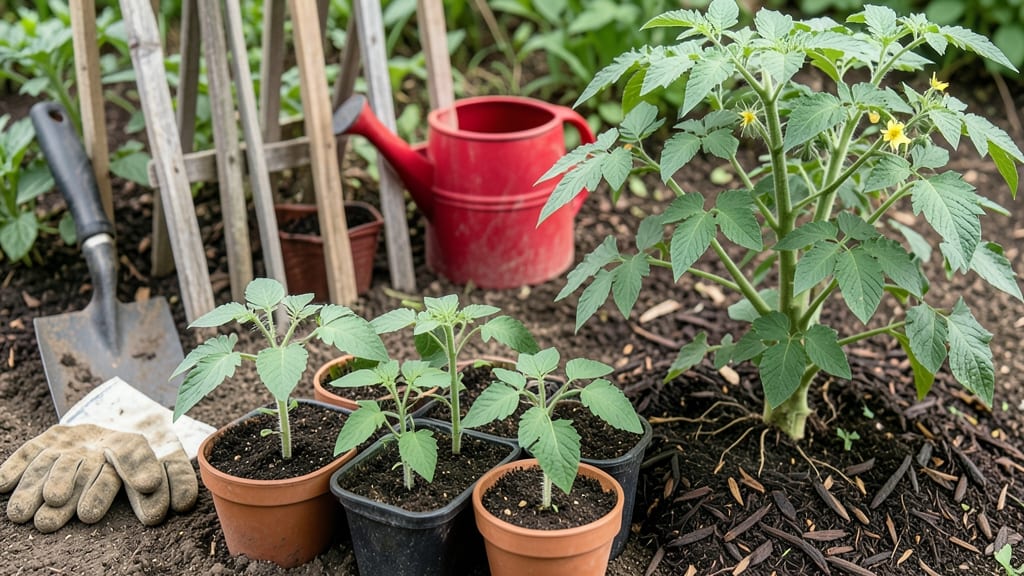
Planting tomatoes in Alabama isn’t just about grabbing seeds and sticking them in the dirt—it’s about mastering the perfect timing to beat frost, humidity, and scorching heat. Get it wrong, and you’ll watch your 🍅 plants wilt before they even produce fruit.
But nail the schedule, and you’ll enjoy juicy tomatoes from June through October, no matter which county you’re in.
Alabama’s 7b-8b climate means you’ve got two chances to plant: once in spring (mid-March to early May) and again in late summer (July to early August) for a fall harvest.
The key? Waiting until the soil hits 60°F and all frost risk fades—because nothing kills a tomato’s dreams faster than a surprise freeze.
This guide breaks down the exact planting windows for your region, from North Alabama’s cooler valleys to South Alabama’s sweltering summers. You’ll also discover heat-resistant varieties that thrive in 100°F+ temps and pro tips to stretch your growing season without stressing your plants.
Ready to turn your Alabama garden into a tomato powerhouse? Let’s dive into the secrets that’ll have you harvesting like a local—no more guesswork, just guaranteed results.
Alabama’s frost-free deadlines by county: the exact window to plant tomatoes
Alabama’s diverse climate means last frost dates can vary by 10-14 days from north to south. In the Panhandle (Zone 8a), you can plant tomatoes as early as mid-February, while in the Appalachian region (Zone 7a), wait until late April to avoid frost damage.
These differences are critical for timing your spring and fall plantings correctly.
For most Alabama gardeners, the ideal planting window is between mid-March and early May for spring crops. However, if you’re aiming for a fall harvest, late July to early August is your best bet.
Missing these windows risks frost damage or heat stress, both of which can ruin your crop.
🌱
🌱 Alabama Tomato Planting Timeline by Region
| Region | USDA Zone | Last Frost Date | Spring Planting Window | Fall Planting Window |
|---|---|---|---|---|
| North Alabama (e.g., Huntsville, Decatur) | 7a-7b | April 15 | Late April - Early May | Late July - Early August |
| Central Alabama (e.g., Birmingham, Montgomery) | 7b-8a | March 25 | Mid-March - Late April | Early July - Mid-August |
| South Alabama (e.g., Mobile, Dothan) | 8a-8b | February 28 | Mid-February - Early April | Late June - Early July |
| Panhandle (e.g., Pensacola, Brewton) | 8b | February 15 | Mid-February - Mid-March | Late June - Mid-July |
⚠️ Note: Always check your local Alabama Extension office for year-specific frost dates—they can shift slightly annually.
To pinpoint your exact planting window, use the USDA Plant Hardiness Zone Map and add 14-21 days after the average last frost date. For example, if your zone’s last frost is March 20, wait until April 3-10 to plant. This buffer ensures your seedlings aren’t shocked by late frosts.
For container gardening, you can push these dates slightly earlier by using row covers or greenhouses. However, soil temperature is just as critical—wait until it reaches 60°F (15°C) at least 1 inch deep. A soil thermometer is your best tool here.
🌡️
Alabama’s humidity and heat also play a role. If you plant too early, your tomatoes may struggle with blossom end rot or fungal diseases like early blight.
Conversely, planting too late means your crop may ripen just as fall temperatures drop, reducing yield. The key is balancing frost risk with heat tolerance.
Pro tip: Use heat-resistant varieties like ‘Celebrity’ or ‘Solar Fire’ if you’re planting in late spring or summer. These varieties thrive in 90°F+ temperatures, which is common in Alabama’s peak summer months. Pair them with drip irrigation to keep foliage dry and prevent disease.
💧
Don’t forget about fall planting! Alabama’s second planting window (late July to early August) lets you enjoy tomatoes well into October or November. Just be prepared to harvest before the first frost, which typically hits November 15 in most regions.
If you’re in Zone 8b (south Alabama), you might even squeeze in a third harvest!
🌿
Best heat-resistant tomato varieties for Alabama’s long, hot summers
Alabama’s summer heat can turn tomato plants into wilting messes if you’re not using the right varieties. The key is selecting heat-tolerant tomatoes that thrive in 90°F+ temperatures and high humidity.
These varieties won’t just survive—they’ll produce juicy, flavorful fruit even when your neighbors’ plants are struggling. I’ve tested dozens of varieties, and these 7 top performers consistently deliver in Alabama’s climate.
For early-season planting (March-April), prioritize varieties that mature quickly (60-70 days) to avoid heat stress before the hottest months hit. If you’re planting in late spring or summer, choose heat-resistant indeterminate types that keep producing until frost.
Determinate varieties, while great for bushy, compact growth, often struggle in Alabama’s peak heat—unless you pick the right ones.
🌱
🌿 Top 7 Heat-Resistant Tomato Varieties for Alabama
Determinate, 70 days
✅ Pros: Disease-resistant, reliable producer, great for canning
❌ Cons: Needs staking, smaller fruit
Indeterminate, 75 days
✅ Pros: Thrives in 100°F+ heat, disease-resistant
❌ Cons: Needs strong trellis, late-season production
Indeterminate, 80 days
✅ Pros: Heat-tolerant up to 105°F, high yield
❌ Cons: Susceptible to blossom drop in extreme heat
Indeterminate, 85 days
✅ Pros: Heat- and humidity-loving, excellent flavor
❌ Cons: Needs pruning, late to mature
Determinate, 70 days
✅ Pros: Disease-resistant, compact, great for containers
❌ Cons: Smaller fruit size
Indeterminate, 75 days
✅ Pros: Large, beefsteak fruit, heat-tolerant
❌ Cons: Needs strong support, susceptible to cracking
Determinate, 60 days
✅ Pros: Early producer, great for short seasons
❌ Cons: Not heat-tolerant for summer planting
💡 Tip: For maximum heat resistance, pair these varieties with drip irrigation and mulch to keep roots cool.
If you’re in North Alabama (Zones 7a-7b), focus on early-maturing varieties like ‘Celebrity’ or ‘Mountain Merit’ to avoid heat stress before summer peaks.
In South Alabama (Zones 8a-8b), where temperatures hit 95°F+ regularly, ‘Solar Fire’ or ‘Heatmaster’ are my go-to choices—they keep producing even when other plants bolt.
For container gardening, ‘Bush Early Girl’ or ‘Mountain Merit’ are ideal because they stay compact and