
Plants
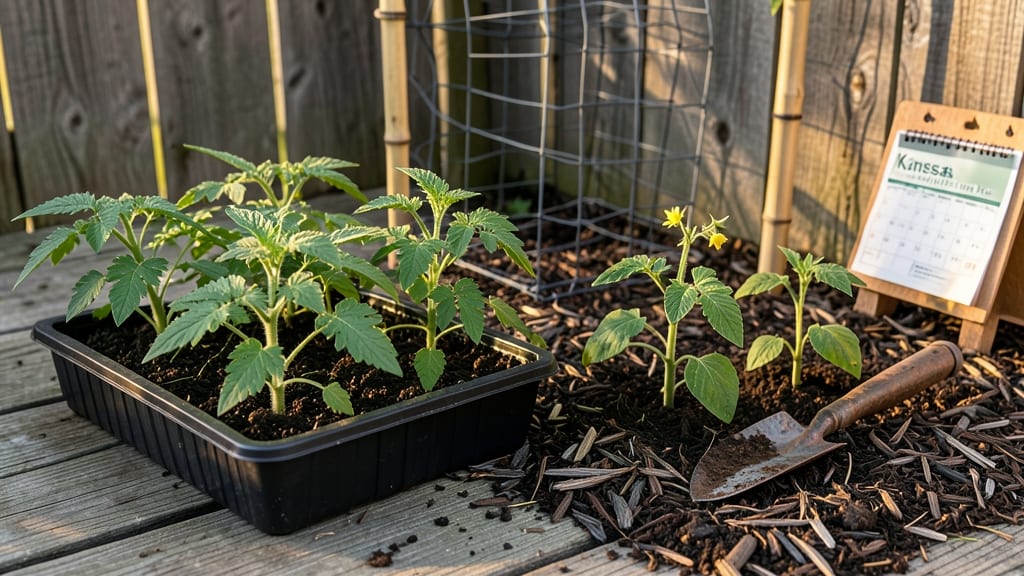
Planting tomatoes in Kansas isn’t just about grabbing seeds and sticking them in the ground—it’s about timing your 🍅 harvest to avoid frost’s cruel twist. With USDA zones ranging from 5b to 7a, your planting window can shift by weeks depending on whether you’re in Wichita or Kansas City.
Too early, and a late frost will turn your seedlings into sad, wilted memories. Too late, and summer’s heat might leave you with bitter fruit instead of juicy rewards.
The key? Waiting until soil temps hit 60°F—usually after April 15—and knowing your region’s last frost date like the back of your hand.
In this guide, I’ll break down the exact planting deadlines for Kansas’ frost-free zones, plus pro tips to stretch your season. Whether you’re using transplants or seeds, we’ll cover everything from soil prep to heat-tolerant varieties that thrive in Kansas’ unpredictable climate.
Ready to grow tomatoes that actually make it to harvest? Let’s get started—your June-October bounty depends on it.
Kansas frost zones: exact planting dates by region (avoid frost damage)
Kansas’ USDA zones 5b-7a create a 3-week window between northern and southern regions for planting tomatoes. The last frost date shifts from mid-April in south-central Kansas to early May in the northern panhandle.
This means gardeners in Wichita (Zone 7a) can plant 2-3 weeks earlier than those in Hays (Zone 5b).
For seedlings, aim to transplant 2-3 weeks after your area’s last frost date. Soil temperature must stay above 60°F—use a soil thermometer to confirm. Black plastic mulch can warm soil 5-10°F faster, helping you plant earlier in cooler zones like Zone 5b.
Determinate varieties (bush tomatoes) mature faster (60-70 days) and tolerate cooler temps better, making them ideal for northern Kansas. Indeterminate varieties (vining tomatoes) need 75-90 days and thrive in southern Kansas’ longer summers.
| Region | USDA Zone | Last Frost Date | Planting Window | Soil Temp |
|---|---|---|---|---|
| South-Central (Wichita) | 7a | April 1-15 | April 15-May 1 | 60°F+ |
| Central (Topeka) | 6a | April 10-25 | April 25-May 10 | 60°F+ |
| North-Central (Hays) | 5b | May 1-15 | May 15-June 1 | 60°F+ |
| Northern (Salina) | 5a | May 10-25 | May 25-June 10 | 60°F+ |
Check your local almanac for 3-year frost averages—Kansas’ last frost can vary ±10 days yearly. Kansas State University Extension offers county-specific frost data. For extra safety, use row covers to protect seedlings if planting near your zone’s average last frost.
If you’re starting seeds indoors, begin 6-8 weeks before your transplant date. Germination slows below 70°F, so use a seedling heat mat for faster sprouting. Southern Kansas gardeners can direct-sow seeds 2 weeks earlier than transplanting, but northern zones should stick to seedlings to avoid chilly soil.
Heat-tolerant varieties like ‘Heatmaster’ or ‘Solar Fire’ thrive in southern Kansas’ 100°F+ summers, while ‘Stupice’ handles northern Kansas’ cooler temps. Dwarf varieties (‘Tiny Tim’) work well for container gardens in urban areas like Kansas City.
After transplanting, mulch heavily with straw or grass clippings to retain moisture and prevent soil-borne diseases. Drip irrigation keeps leaves dry, reducing blight risk—a major issue in Kansas’ humid summers. Water deeply 2-3 times per week once established.
Monitor your plants for early blight (brown spots on lower leaves) or hornworms, common in Kansas. Neem oil or BT spray are organic solutions. Prune suckers regularly to improve airflow and fruit production.
For maximum harvest, stagger plantings every 2 weeks until June 15. This ensures a continuous supply of tomatoes through September, when first frost typically arrives in northern Kansas.
How to extend Kansas tomato season: cold frames, row covers, and succession planting
Kansas’ short growing season doesn’t mean you’re stuck with just one tomato harvest. By using season-extending tools like cold frames and row covers, you can push your planting window 2-4 weeks earlier or even delay harvest into late fall.
These tricks are especially useful for gardeners in USDA zones 5b-6a, where late frosts are common.
For example, a floating row cover can raise soil temperatures by 5-8°F, letting you plant transplants 2-3 weeks before the usual last-frost date. Meanwhile, black plastic mulch warms soil faster, helping seedlings establish roots before the ground thaws completely. Let’s break down the best methods for your Kansas garden.
- Cold Frames: Use unheated frames to plant 4-6 weeks earlier than usual. Ideal for early varieties like 'Stupice' or 'Mountain Merit'.
- Floating Row Covers: Lightweight fabric raises soil temps by 5-8°F, protecting seedlings until May 1 in most of Kansas.
- Black Plastic Mulch: Warms soil 10°F faster than bare ground, letting you plant 2 weeks earlier in cooler zones.
- Succession Planting: Sow new seeds every 2 weeks from May to July for a continuous harvest.
- Heat-Tolerant Varieties: Choose 'Heatmaster' or 'Solar Fire' for western Kansas’ hot summers (zones 6b-7a).
If you’re in southern Kansas (zones 6b-7a), you can even try late-summer planting in August for a fall harvest. Just pick determinate varieties (like 'Roma' or 'Celebrity') that mature quickly—typically in 60-70 days. These varieties produce fruit faster and handle cooler fall temps better than their indeterminate cousins.
For northern Kansas (zones 5b-6a), focus on early-maturing transplants and protect them with hoop houses or low tunnels until late May. This gives your plants a head start before summer heat arrives. Pro tip: Remove covers once flowers appear to prevent blossom-end rot from trapped humidity.
One mistake many Kansas gardeners make is overlooking soil warming in spring. Instead of waiting for the ground to thaw naturally, try laying down clear plastic mulch in late March to trap heat.
This can shave 1-2 weeks off your planting timeline, giving you more time for a full harvest before the first frost.
Remember, the goal is to align your planting with Kansas’ 165 frost-free days. With the right tools, you can turn a single harvest into a month-long feast from June through October. Start small—try one row cover or cold frame this year—and watch your tomato season stretch like never before.