
Plants
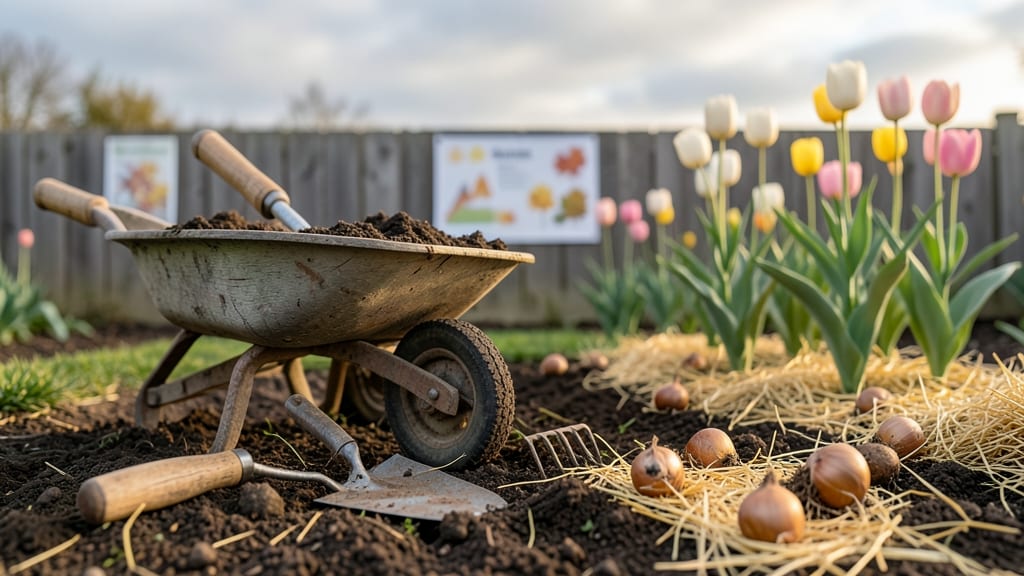
Planting tulip bulbs at the wrong time in Illinois can mean the difference between a stunning spring display and a disappointing flop. With Zone 5B winters and unpredictable frost patterns, timing is everything for your 🌷 blooms to thrive.
Most gardeners in Illinois know fall planting is key, but the exact window matters more than you think. Planting too early exposes bulbs to rot, while waiting too long risks weak growth before spring.
The ideal time falls between October and November, when soil temperatures drop but before the ground freezes solid.
Why does this matter? Tulips need chill hours—those cold periods that trigger blooming—to perform their best. In Illinois, that means aligning your planting with 12-16 hours of cold exposure per week, a process I’ll break down to ensure your bulbs get exactly what they need.
Let’s dive into the perfect planting schedule, soil prep tips, and how to protect your investment from late-season freezes. Your spring garden will thank you!
Ideal planting timeline for Illinois tulip bulbs by chill-hour requirements
In Zone 5B Illinois, timing your tulip bulb planting to match their chill-hour needs (12-16 hours below 40°F) is key for vibrant spring blooms. Most varieties thrive when planted 4-6 weeks before ground freezes, typically between mid-October and early November.
This window ensures bulbs establish roots before winter dormancy.
Early bloomers like 'Early Harbingers' need 12-14 chill hours and can be planted as early as late September, while late-season varieties like 'Darwin Hybrid' tulips (requiring 14-16 chill hours) should wait until October. Understanding these distinctions prevents weak stems or no blooms.
Here’s how Illinois’ variable frost dates (typically mid-October to mid-April) interact with tulip varieties:
| Tulip Type | Chill Hours Needed | Best Planting Window | Bloom Time |
|---|---|---|---|
| Early Bloomers (e.g., 'Early Harbingers') | 12-14 hours | Late September - October 15 | Early April |
| Mid-Season (e.g., 'Parrot' tulips) | 14-15 hours | October 1 - November 1 | Mid-April |
| Late Bloomers (e.g., 'Darwin Hybrid') | 15-16 hours | October 15 - November 10 | Late April |
For Illinois gardeners, aim to plant by November 15 to avoid late-season freezes that can damage emerging shoots. If you miss this window, store bulbs in a cool, dark place (like a refrigerator) until next fall.
Remember, soil temperature (not air temperature) is the real indicator—plant when it drops to 40°F consistently.
Pro tip: Use a soil thermometer to confirm readiness. In northern Illinois, wait until early November due to earlier frosts, while southern Illinois gardeners can plant as late as mid-November. Adjust for microclimates by observing nearby lawns or gardens—when grass stops growing, it’s time to plant!
If you’re unsure about your last frost date, check the Illinois State Water Survey or local Cooperative Extension Service for updated data. For example, Chicago (Zone 5B) typically sees its last frost around April 15, while Springfield (Zone 5A) may frost until May 1.
Plant accordingly to avoid early blooms damaged by late frosts.
Don’t overlook bulb quality—choose firm, disease-free bulbs from reputable nurseries. Smaller bulbs (like 12/0 size) may need an extra week of root establishment before winter. For container gardening, plant bulbs in well-draining pots and keep them in a garage or unheated shed until spring.
Finally, mulch after planting with 2-3 inches of straw or shredded leaves to insulate bulbs and retain moisture. This step is critical in Illinois’ fluctuating fall temperatures, where nights can drop below freezing while days remain mild. Mulch also suppresses weeds, giving your tulips a head start in spring.
With the right timing and care, your Illinois tulip garden will reward you with bold, healthy blooms that brighten up even the coldest spring days. Happy planting! 🌷
Ideal planting timeline for Illinois tulip bulbs by chill-hour requirements
In Illinois' Zone 5B, timing your tulip bulb planting to match their chill-hour needs is the secret to vibrant spring blooms. Most tulips require between 12-16 hours of cold exposure per week, which translates to planting between October 1st and November 15th for optimal results.
Early bloomers like 'Darwin Hybrid' tulips need fewer chill hours, while late varieties like 'Fosteriana' demand more.
Your planting window isn't just about dates—it's about soil conditions. The ground should be cool but workable, ideally between 40-50°F. This usually happens in early October, but northern Illinois may need to wait until mid-October.
The key is planting 4-6 weeks before the ground freezes solid, giving bulbs time to establish roots before winter sets in.
Here's how to match your tulip varieties to Illinois' chill-hour window for perfect spring blooms:
| Tulip Type | Chill Hours Needed | Best Planting Window | Spring Bloom Time |
|---|---|---|---|
| Early Bloomers (e.g., 'Darwin Hybrid') | 12-14 hours | October 1-15 | Late April |
| Mid-Season (e.g., 'Parrot Tulips') | 14-16 hours | October 15-November 1 | Early-Mid May |
| Late Bloomers (e.g., 'Fosteriana') | 16+ hours | November 1-15 | Mid-May |
| Species Tulips (e.g., 'Tulipa tarda') | 10-12 hours | September 15-October 1 | Early April |
For gardeners in southern Illinois (Zone 6), you can start planting as early as mid-September, while northern Illinois gardeners should aim for late October to avoid early freezes.
The last frost date in Illinois typically falls around April 15th, so planting earlier ensures your tulips have enough time to develop strong roots before spring growth begins.
Pro tip: If you're unsure about your exact chill hours, use the "6-week rule". Count back 6 weeks from your average last frost date (April 15th) to determine your ideal planting window.
For Illinois, this lands squarely in mid to late October, giving your bulbs the perfect balance of root establishment and winter chilling.
Remember, tulip bulbs planted in well-draining soil and at the correct depth (6-8 inches) will perform best regardless of variety. The chill-hour requirements are just one piece of the puzzle—soil preparation and planting depth matter just as much for Illinois gardeners.