
Plants
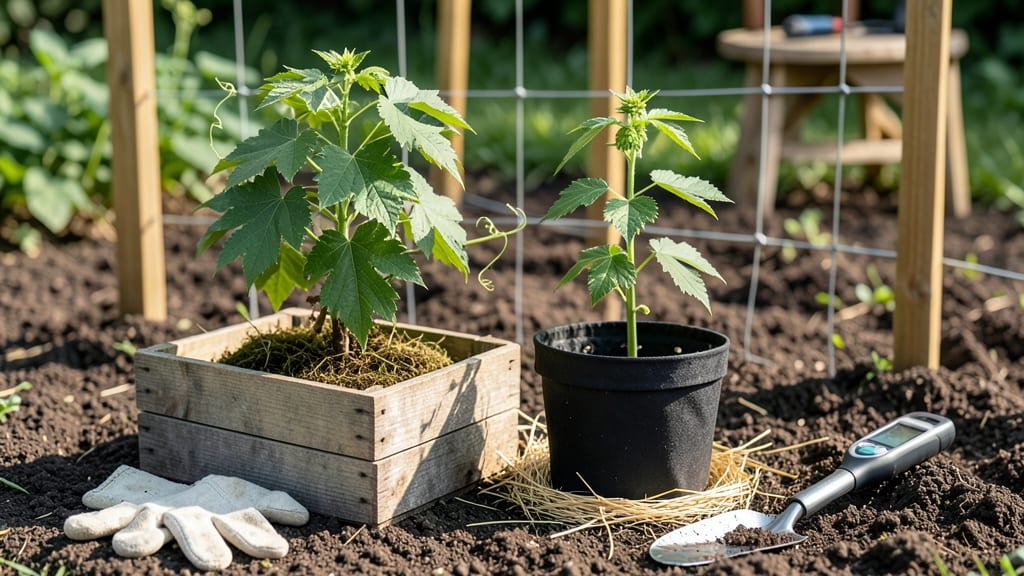
Timing your hops planting in Michigan could mean the difference between a thriving vineyard and a disappointing flop. The best time to plant hops in Michigan isn't just about waiting for spring—it's about catching that sweet spot after the last frost when soil temperatures hit 50°F or warmer.
For most of Michigan's 5b-6b zones, that window opens in late April to early May, just as the earth warms and the risk of late frosts fades.
But here's the catch: Northern Michigan's cooler climate might push your ideal window a week or two later than the southern part of the state.
Why does this matter? Planting too early risks cold soil stunting root growth, while waiting too long means your 🌿 hops might struggle with summer heat before establishing strong roots. Let's break down exactly how to time it right for your specific Michigan location.
You'll discover how to read your local frost dates, prepare your soil for maximum root development, and even adjust if you're a late starter. With the right timing, you're not just planting hops—you're setting up your garden for a bountiful harvest come summer.
Michigan’s ideal hop planting window: months and hardiness zones explained
Planting hops in Michigan requires careful timing to align with the state’s USDA hardiness zones 5b-6b and last frost dates. Most regions experience their final frost around mid-April, but northern areas like the Upper Peninsula may see frost as late as May 1.
Aim to plant after this date to avoid frost damage to young shoots.
For optimal root development, the best window is late April to early May. This gives hops 6-8 weeks of warm soil before summer heat peaks. In southern Michigan, you can start as early as mid-April, while northern areas should wait until early May to be safe.
Hops thrive in well-draining soil with temperatures above 50°F (10°C). Use a soil thermometer to confirm—roots won’t establish well in cold, wet soil. If temperatures dip again, protect young plants with row covers or mulch.
Michigan’s shorter growing season (about 160 frost-free days) means hops need a head start. Planting too late risks stunted growth or immature cones by harvest time. Prioritize early spring planting for the best results.
🌱
| Region | Last Frost Date | Ideal Planting Window | Soil Temp Goal |
|---|---|---|---|
| Southern Michigan (Zone 6) | Mid-April | Late April–Early May | 50°F+ (10°C+) |
| Central Michigan (Zone 5b) | Early May | Early–Mid May | 50°F+ (10°C+) |
| Northern Michigan (Zone 5a) | May 1 | Early–Mid May | 55°F+ (13°C+) |
| All Regions | After last frost | Avoid June planting | Warm, moist soil |
If you’re in Zone 5b or colder, choose cold-hardy varieties like ‘Fuggle’ or ‘Willamette’, which tolerate Michigan’s shorter seasons better. These varieties also mature faster (90-105 days), giving them a better chance to thrive before frost.
For container growing, plant in late May to avoid root-bound stress. Containers warm up faster, so monitor soil moisture closely—hops in pots dry out 3x faster than in-ground plants. Use a 5-gallon minimum container for young plants.
🌿
After planting, focus on mulching to retain soil warmth and moisture. A 3-inch layer of straw keeps roots cool in summer and prevents weeds from competing for nutrients. This is especially critical in Michigan’s clay-heavy soils, which drain poorly when saturated.
Finally, mark your calendar for harvest time—Michigan’s hops typically mature between mid-July and late August. Early planting ensures you’ll have plump, aromatic cones ready for brewing or drying by fall.
☀️
How to prepare Michigan soil and spacing for hops in spring
Preparing your Michigan garden for hops starts with soil testing—these vines demand well-draining, fertile soil with a pH between 6.0 and 7.0. Michigan’s clay-heavy soils often compact easily, so amending with compost or aged manure improves aeration and nutrient retention.
Test your soil 2-3 weeks before planting to adjust pH with lime (to raise) or sulfur (to lower) if needed.
Hops need 6-12 feet of spacing between plants to prevent disease spread and allow proper airflow. In small gardens, use dwarf varieties like ‘Pacman’ (6-8 feet tall) and space them 4-6 feet apart.
For standard varieties, plan for 10-12 feet between rows—this mimics commercial trellis systems and keeps vines manageable.
🌱
- Compacted soil → Roots suffocate; add perlite or sand for drainage.
- Poor spacing → Fungal diseases thrive in crowded plants.
- Over-fertilizing → Burns roots; start with balanced 5-10-10 fertilizer.
Install a trellis system before planting—hops need 15-25 feet of vertical support to climb. Use T-posts with wire trellis (like commercial setups) or strong wooden frames for smaller gardens. Bury posts 2 feet deep to prevent wind damage, especially in Michigan’s variable weather.
For container growing, use a 5-gallon pot with a trellis and prune aggressively to limit height.
After planting, apply a 3-inch layer of mulch (straw or wood chips) to retain moisture and suppress weeds. Michigan’s cool springs can delay soil warming, so mulch also helps insulate roots.
Water deeply 2-3 times per week until established, focusing on the root zone rather than overhead spraying to prevent powdery mildew.
💧
Monitor for early signs of stress, like yellowing leaves or slow growth—these often signal nutrient deficiencies or poor drainage. In northern Michigan, extend the growing season with row covers until soil warms to 55°F+.
With the right prep, your hops will establish strong roots and reach harvest-ready cones by mid-summer.
✂️