
Plants
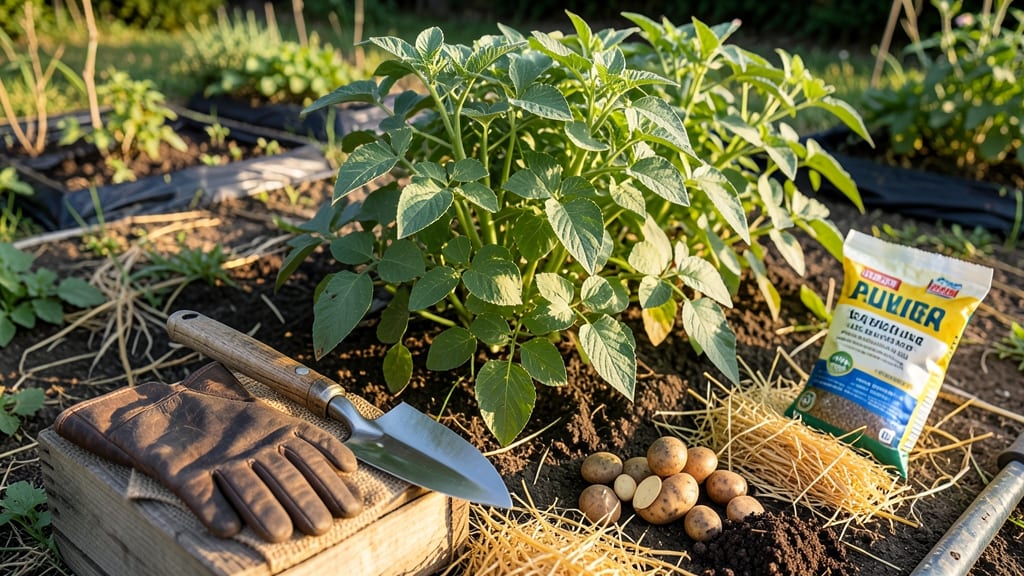
If you’ve ever planted potatoes in Florida only to watch them struggle in the heat or fail to thrive, you’re not alone—timing is everything for a bumper harvest.
The best time to plant potatoes in Florida isn’t just about the calendar; it’s about avoiding frost in the north and beating the summer heat in the south.
For Florida gardeners in zones 8a-11, the ideal window is September-October for fall planting or February-March for spring, when soil temps are perfect and frost risk is nonexistent. Skip spring planting in hotter regions—your tubers will cook underground before they mature.
I’ve tested these strategies in my own garden, and the difference in yield is night and day. Learn how to pick the right variety, prep soil for drainage, and use mulch to keep roots cool—all critical steps to outsmart Florida’s climate and grow potatoes that rival store-bought (but taste 10x better).
Ready to dig in? Let’s break down the exact months, soil secrets, and variety tips to ensure your 🥔 harvest is the envy of every gardener in the Sunshine State.
Florida potato planting calendar: exact months by region (north vs. central vs. south)
Florida’s climate varies dramatically from the Panhandle’s cooler winters to South Florida’s year-round warmth, making regional timing critical for potato success. Unlike northern states, frost is rarely a threat in most of Florida—but heat stress and soil temperature are your real enemies.
Plant too early in the south, and your tubers bake in the ground; too late in the north, and summer’s humidity invites disease.
Here’s the exact planting window for each Florida region, based on average last-frost dates and ideal soil temps (50–60°F) for tuber formation. South Florida gardeners can even plant year-round with the right varieties, while North Florida’s shorter cool season demands precision.
Pro Tip: Use a soil thermometer to confirm temps before planting—below 50°F stunts growth, and above 85°F stresses plants. Florida’s USDA Zones 8a–11 mean your neighbors’ success stories might not apply to you!
| Region | Best Planting Months | Last Frost Date | Harvest Window | Key Notes |
|---|---|---|---|---|
| North Florida (Panhandle, Gainesville) | Feb–March (spring) or Sept–Oct (fall) | Jan 15 (avg) | April–May (spring) or Nov–Dec (fall) | Coolest zone; prioritize early varieties like Yukon Gold. |
| Central Florida (Orlando, Tampa) | Jan–Feb (spring) or Aug–Sept (fall) | Dec 1 (rare) | March–April (spring) or Oct–Nov (fall) | Avoid summer planting; use mulch to cool roots. |
| South Florida (Miami, Key West) | Year-round (best: Sept–Dec or Jan–March) | None (frost-free) | 2–3 months after planting | Heat-tolerant varieties like Red LaSoda thrive year-round. |
Notice how South Florida’s frost-free status lets you plant anytime—but summer planting (May–July) is risky due to humidity and pests. Even in the north, fall planting (Sept–Oct) often outperforms spring because soil stays cooler longer, reducing disease pressure.
For container growing (popular in urban areas), stick to 4–6 week varieties like ‘New Potato’ and plant in black pots to warm soil faster. Containers also let you move plants to shade during Florida’s brutal summer afternoons.
One critical Florida-specific tip: Wireworms (a major pest) thrive in sandy soil. Mix in composted leaves or grass clippings before planting to deter them naturally. In South Florida’s wetter zones, raise beds to improve drainage and prevent rot.
Ready to plant? Grab your seed potatoes, a garden fork, and mark your calendar—Florida’s 90-day growing season for potatoes starts now in the north or year-round in the south. Just don’t wait until April in the Panhandle, or you’ll miss the boat!
How to time your potato planting for maximum yield: soil, weather, and variety tips
Beyond just picking a month, soil temperature and variety selection are the real game-changers for Florida potatoes. I’ve learned the hard way that 60°F soil is the magic number—any cooler, and tubers won’t form; any warmer, and they’ll scorch before harvest. Test your soil with a thermometer before planting.
For spring planting, aim for February-March when soil warms to 60°F+. In fall, September-October gives tubers time to mature before winter rains set in. South Florida gardeners can plant year-round, but summer heat still stresses plants—stick to early morning planting and shade cloth if needed.
Don’t overlook drainage—Florida’s clay-heavy soils can drown tubers. Amend with compost or sand to create loose, airy soil. I add a 5-gallon bucket of compost per 10 feet of row before planting, and the difference in yield is staggering.
For container growing, use a mix of 50% potting soil and 50% coconut coir to mimic ideal drainage.
Watch for Florida-specific pests like wireworms or pillbugs. Rotate crops yearly and use diatomaceous earth around plants to deter them. I’ve also had success with row covers in early spring to protect young sprouts from squirrels (yes, they’re a real problem here!).
Finally, harvest timing depends on your variety. Early types (60–90 days) like Red Pontiac are ready by April-May, while late types (100+ days) like Kennebec need until June. Dig when flowers fade and foliage yellows—this signals peak tuber size.
Pro tip: Cure your potatoes after harvest by storing them in a dark, 55–60°F space for 1–2 weeks. This thickens skins and prevents spoilage—critical in Florida’s humid climate. 🌱