
Plants
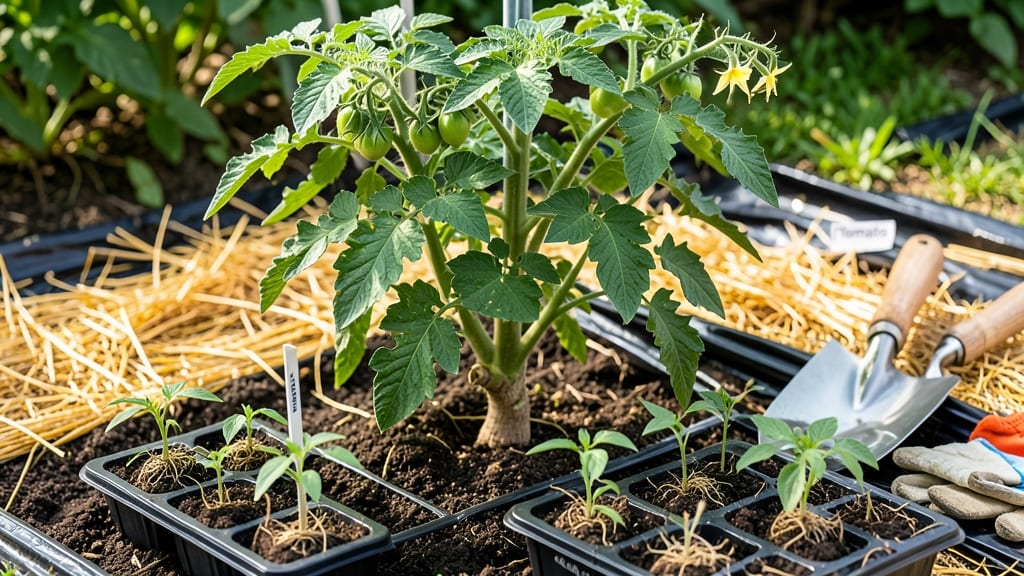
The best time to plant tomatoes in Georgia isn't just about avoiding frost—it's about catching that sweet spot between chilly mornings and scorching afternoons. If you've ever watched your tomato plants wilt under Georgia's summer sun or freeze overnight, you know timing matters more than most gardeners realize.
For Georgia gardeners in zones 7b-8b, the ideal window opens in mid-March to early May, but there's a catch: soil temperature must reach 60°F before seedlings go in.
Plant too soon, and your 🍅 plants will languish; too late, and you'll miss the peak harvest window of June through August.
But here's the secret most gardeners miss: Georgia's climate actually allows for two planting seasons. While spring planting dominates, late July to early August gives you a second chance for fall harvests—just in time for September and October's cooler weather.
I'll break down exactly when to plant, how to prep your soil, and the critical factors that separate a thriving tomato patch from a sad, sunburned disappointment. Let's get those seeds in the ground at the perfect moment.
Georgia’s frost-free deadlines for planting tomatoes by hardiness Zone (7a vs 8b)
Georgia’s climate varies dramatically between its northern Zone 7a regions and southern Zone 8b areas, which means your tomato planting window depends heavily on where you live.
In Zone 7a (think Athens or Dahlonega), last frost typically arrives around March 15-30, while Zone 8b (Savannah or Macon) enjoys frost-free conditions by February 15-28.
Planting too early in Zone 7a risks frost damage, while Zone 8b gardeners can start earlier—but even there, soil temperature matters more than calendar dates.
For both zones, the ideal transplant window is 2-4 weeks after your last frost date, once soil temperatures reach 60°F+. This ensures roots establish before summer’s heat peaks.
In Zone 7a, that’s usually mid-April to early May, while Zone 8b gardeners can transplant as early as late March. However, don’t rush—cool soil slows growth, making plants vulnerable to pests like tomato hornworms.
Here’s the critical difference: Zone 7a has a shorter growing season (about 200 frost-free days), so you’ll need to choose early-maturing varieties (60-70 days to harvest) like ‘Celebrity’ or ‘Early Girl’. Zone 8b, with 220+ frost-free days, can handle longer-season varieties like ‘Brandywine’ or ‘Cherokee Purple’—but only if planted early enough to avoid July’s oppressive heat.
🌱Pro Tip: Use a soil thermometer to confirm warmth before planting. Tomatoes won’t thrive in 50°F soil—roots struggle to absorb nutrients, leading to stunted growth.
If you’re in Zone 7a, don’t wait until May to plant—you’ll miss the sweet spot between frost risk and summer heat. Instead, aim for mid-April and choose determinate varieties (bush types) that mature faster.
For Zone 8b, early March planting gives you a head start, but be ready to prune aggressively in July to protect fruit from sunscald during Georgia’s brutal midday heat.
Georgia’s fall planting window (July–August) is another game-changer. In Zone 7a, you can squeeze in a second crop by planting heat-tolerant varieties like ‘Solar Fire’ or ‘Heatmaster’ by July 15.
Zone 8b gardeners have until August 15 for fall harvests, but watch for early September frosts in northern areas. Use row covers to extend the season if needed.
One mistake I see often? Planting based on calendar dates instead of soil conditions. A late March transplant in Zone 8b might fail if soil is still 55°F.
Always check with a soil thermometer—tomato roots need warmth to thrive. In my own garden, I’ve lost entire plants because I rushed transplanting in cool, damp spring soil.
🌡️Key Takeaway: Georgia’s Zone 7a gardeners should plant April 15–May 10, while Zone 8b can start March 15–April 15. For both, soil temperature >60°F
How to extend your tomato growing season in Georgia: starter plants vs. seeds
Georgia’s long growing season lets you grow tomatoes twice a year—but only if you know the secrets to extending your harvest. Whether you choose starter plants or direct-seeded tomatoes, the timing and prep work make all the difference.
I’ve planted both ways for years, and here’s what I’ve learned about maximizing your yield.
For spring planting, starter plants give you a 2-3 week head start over seeds, letting you transplant as soon as soil warms to 60°F. But if you’re planting in late July for fall harvests, seeds can outperform transplants because they establish roots before cooler weather arrives.
The key is soil temperature—not just air temperature.
I recommend using black plastic mulch to warm soil faster, especially in Zone 7a where mornings stay chilly longer. This trick shaves 1-2 weeks off your planting window. For fall crops, focus on heat-tolerant varieties like ‘Celebrity’ or ‘Better Boy’ to handle Georgia’s lingering summer heat.
Starter Plants vs. Seeds: Georgia-Specific Comparison
Starter Plants
- Pros: Faster growth, established roots
- Cons: More expensive, limited variety
- Best for: Spring planting (March-April)
Direct Seeds
- Pros: Cheaper, wider variety, better for fall
- Cons: Slower germination, needs consistent moisture
- Best for: Late July-August (fall harvest)
Don’t overlook mulching strategies—they’re your secret weapon. A thick layer of straw or wood chips keeps soil moist and insulates roots, while row covers can push harvests 2-3 weeks later into fall. I’ve used them to extend my last harvest into early November in Zone 8b.
For container gardening, choose determinate varieties like ‘Roma’ or ‘Patio’—they ripen faster in pots. Place containers in full sun and water deeply every 1-2 days during Georgia’s dry spells. Just remember: containers dry out 3x faster than ground soil.
Timing your second planting is critical. Aim to have fall tomatoes ready to harvest by mid-September before fungal diseases like early blight take over. Use disease-resistant varieties like ‘Mountain Merit’ or ‘Defiant’ for better success.