
Plants
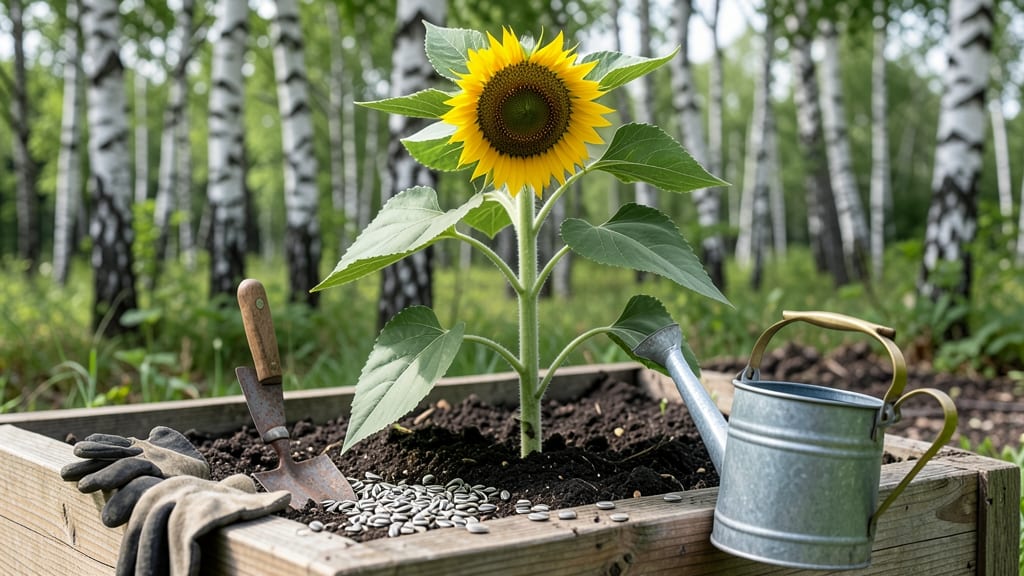
Planting sunflower seeds in Florida at the wrong time can mean weak stems, stunted growth, or even no blooms at all—despite the state’s perfect year-round growing conditions. 🌻 With no frost to worry about in most areas, you might think sunflowers can go in anytime, but Florida’s intense summer heat and hurricane season throw a wrench in the plan.
If you’ve ever watched a sunflower struggle in the midday sun or get knocked over by rain, you know timing matters more than you’d expect. The key is planting during Florida’s two ideal windows: early spring (February–April) or late summer (August–September).
These months give your sunflowers the best shot at strong roots before the worst heat or storms hit.
I’ve grown sunflowers in Florida for years, and I’ve learned the hard way which mistakes to avoid—like planting too deep or skipping soil prep.
In this guide, I’ll walk you through the exact steps to time your planting for taller, healthier sunflowers, plus how to adjust for your specific region (North, Central, or South Florida).
Ready to grow sunflowers that reach sky-high without the guesswork? Let’s dive into the perfect planting schedule and the three mistakes that could ruin your harvest before it even starts.
Best planting times for sunflower seeds in Florida (by region)
Florida’s unique climate—with its frost-free winters and humid summers—means sunflowers can grow year-round, but timing matters. The best windows are spring (February–April) and late summer (August–September), avoiding the peak heat of June–July and hurricane season (September–October).
North Florida’s slightly cooler temps let you plant 1–2 weeks earlier than South Florida.
Sunflowers thrive in Florida’s USDA Zones 9a–11, but regional differences affect growth. For example, North Florida (Zone 8a) can experience rare light frosts (December–January), while South Florida (Zone 11) stays warm year-round. Always check your local frost dates—even if rare—and plan accordingly.
Here’s how to align planting with Florida’s microclimates for stronger stems and bigger blooms:
For direct sowing (planting seeds outdoors), aim for soil temperatures of 50°F (10°C) or warmer. Use a soil thermometer to check—cool soil delays germination. In North Florida, this means waiting until mid-February; in South Florida, you can start as early as January.
If you prefer transplanting seedlings, start seeds indoors 4–6 weeks before your target outdoor date. Use biodegradable pots to avoid root disturbance when moving them outside. Harden off seedlings by placing them in partial shade for 3–5 days before full sun exposure.
Florida’s sandy soil drains quickly, so add 2–3 inches of compost or well-rotted manure before planting. This improves moisture retention and nutrient availability—critical for tall varieties that need deep roots. Mix compost into the top 6–8 inches of soil for best results.
Water deeply after planting to settle soil around seeds. Keep the soil consistently moist (not soggy) until germination, which typically takes 7–14 days. Once sprouted, reduce watering slightly to once weekly to encourage strong root development.
Overwatering leads to weak stems and fungal diseases—a common mistake in Florida’s humid climate.
Sunflowers love full sun (6+ hours daily), but Florida’s summer heat can stress young plants. If planting in late summer (August–September), provide light shade (30–50%) for the first 2 weeks to help them establish before cooler fall temps arrive.
Pro tip: Plant dwarf varieties (like ‘Teddy Bear’) in containers for patios or balconies. These thrive in small spaces and avoid wind damage from Florida’s summer storms. Larger varieties need staking or trellising if grown in exposed areas.
3 Critical mistakes that kill sunflower growth (and how to fix them)
Sunflowers in Florida are tough, but even the hardiest plants struggle when basic care goes wrong. The three biggest mistakes I see—overwatering, planting too deep, and skipping soil prep—can turn your sky-high dreams into floppy stems faster than a summer storm.
Let’s fix these before they ruin your harvest.
First, overwatering is the silent killer. Florida’s sandy soil drains fast, but many gardeners drown sunflowers thinking they need constant moisture. Too much water rots roots and attracts fungal diseases like powdery mildew, which thrives in humid Florida air.
The fix? Water deeply once a week (or every 5-7 days in summer heat) and always in the morning to let excess dry out.
Next, planting seeds too deep smothers them. Sunflower seeds need light to germinate—bury them only 1 inch deep (half their size). I’ve seen seeds planted 2+ inches deep take weeks to sprout, if they sprout at all.
Use your finger to make a shallow trench, drop seeds in, and cover lightly with soil. For sandy Florida soil, a light mulch layer (like straw) helps retain moisture without suffocating seeds.
⚠️ WARNING: Florida-Specific Fixes
Don’t make these regional mistakes:
- Ignoring sandy soil: Amend with compost to improve water retention.
- Planting in June: Summer heat (90°F+) stresses seedlings—wait for August.
- Skipping hurricane prep: Stake tall varieties before storm season (June–November).
Finally, skipping soil prep leaves sunflowers struggling for nutrients. Florida’s soil is often nutrient-poor and acidic. Before planting, mix in compost or aged manure and a balanced fertilizer (10-10-10).
Test your soil’s pH—sunflowers prefer 6.0–7.5. If your soil is too sandy, add peat moss to improve structure. I’ve seen sunflowers double in height when given the right start!
Pro tip: If your sunflowers start wilting despite watering, check for aphids or spider mites—common Florida pests. Spray with neem oil or introduce ladybugs to keep them in check. A healthy plant resists pests better than a stressed one.
By avoiding these mistakes, your sunflowers will grow straight, strong, and sun-loving—ready to reach their full potential in Florida’s climate. Next, let’s pick the best varieties for your region to maximize blooms year-round. 🌻