
Planting
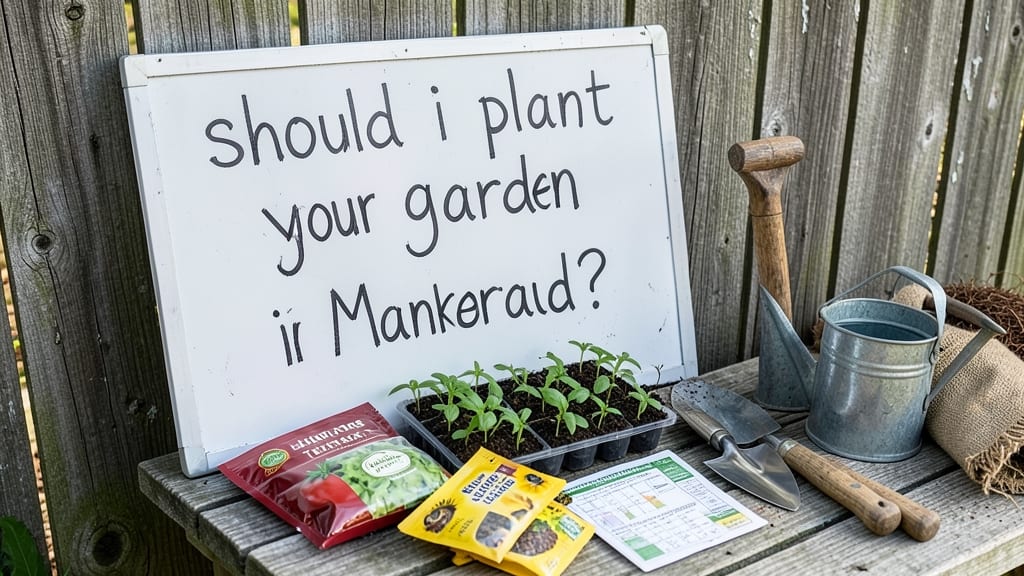
Timing your garden planting in Maryland wrong could mean bolting vegetables or wasted seeds—especially when dealing with unpredictable spring frost dates that vary from Baltimore to the Western Mountains.
The key to success lies in understanding your specific USDA zone and adjusting your schedule accordingly, whether you're growing tomatoes, herbs, or flowers.
I’ve spent years testing planting windows across Maryland’s microclimates, and what I’ve learned is that a just-right schedule prevents common mistakes like premature bolting or stunted growth. By aligning your seed-starting and transplanting dates with soil temperatures and local frost patterns, you’ll set your garden up for a bountiful harvest.
From coastal areas with cooler springs to the Piedmont’s warmer climate, each region demands a tailored approach. Whether you’re a beginner or a seasoned gardener, these insights will help you avoid costly errors and maximize your garden’s potential—without guessing when to plant.
Let’s break down the exact planting timeline for Maryland’s zones, including when to start seeds indoors, direct-sow outdoors, and adjust for regional differences. Your garden’s success starts with knowing the perfect time to get those seeds in the ground.
Maryland planting zones & heat tolerance chart: when to start seeds indoors vs. direct-sowing outdoors
Maryland spans USDA zones 5b through 7a, meaning your planting timeline depends heavily on whether you're in cooler coastal areas (like Baltimore) or warmer Piedmont regions (like Frederick).
The key to avoiding bolting—when plants prematurely flower and go to seed—is understanding each crop's heat tolerance and aligning it with your local frost dates.
For example, cool-season crops like lettuce and spinach thrive when soil temps stay below 75°F, while warm-season crops such as tomatoes and peppers need soil temps above 60°F to germinate.
Maryland’s average last frost date ranges from mid-April in coastal areas to late March in the Piedmont, so timing is everything.
Here’s how to navigate Maryland’s planting zones with precision:
| Plant Type | USDA Zones | Indoor Start Date | Outdoor Sow Date | Heat Tolerance (°F) | Transplant After |
|---|---|---|---|---|---|
| Lettuce | 5b-7a | Feb-March | March-April | Below 75°F | 2-3 weeks |
| Tomatoes | 6a-7a | March-April | May-June | Above 60°F | 4-6 weeks |
| Peppers | 6b-7a | March-April | May-June | Above 70°F | 6-8 weeks |
| Spinach | 5b-6a | Feb-March | March-April | Below 70°F | 3-4 weeks |
| Basil | 6a-7a | April-May | After last frost | Above 55°F | 4-6 weeks |
| Cucumbers | 6b-7a | April-May | May-June | Above 65°F | 3-4 weeks |
Heat tolerance refers to soil and air temperature thresholds for optimal growth.
For cool-season crops, like lettuce and spinach, start seeds indoors 6-8 weeks before your last frost date. In Maryland, this typically means February to early March for most regions.
Once seedlings are 2-3 inches tall and hardened off, transplant them outdoors 2-3 weeks before the last frost to avoid stunted growth.
Warm-season crops, such as tomatoes and peppers, need a longer indoor head start—usually 6-8 weeks before transplanting. Since
How to adjust planting times for Maryland’s microclimates: coastal vs. Piedmont vs. mountain regions
Maryland’s diverse geography means your planting schedule should change dramatically depending on whether you’re gardening near the Chesapeake Bay, in the Piedmont region, or at higher elevations like Western Maryland’s mountains.
Coastal areas like Annapolis (Zone 7a) often experience cooler, slower springs, while Frederick (Zone 6b) warms up faster. Understanding these differences helps you avoid late frosts that can wipe out tender seedlings.
For example, tomatoes planted too early in Zone 5b (like Garrett County) may bolt from sudden warmth, while the same variety thrives if delayed by 2-3 weeks in Zone 7a (like Calvert County).
The key is adjusting your timeline by 10-14 days based on elevation and proximity to water bodies, which moderate temperatures.
Here’s how to tailor your approach for Maryland’s three distinct growing regions:
| Region | USDA Zone | Spring Planting Adjustment | Key Tools for Success |
|---|---|---|---|
| Coastal (e.g., Annapolis, Baltimore) | Zone 7a-7b | Delay warm-season crops by 7-10 days (soil warms slower near water). Start peas and spinach 2 weeks earlier. | Row covers, cold frames, shade cloth for heatwaves |
| Piedmont (e.g., Frederick, Hagerstown) | Zone 6b-7a | Standard schedules work, but use succession planting every 2 weeks for lettuce and radishes to beat bolting. | Drip irrigation, mulch to retain warmth |
| Mountains (e.g., Deep Creek Lake, Cumberland) | Zone 5b-6a | Plant 4-6 weeks earlier for frost-sensitive crops. Use black plastic mulch to warm soil faster. | Greenhouses, heat mats, frost cloth |
If you’re in a transition zone (like Howard County), split your planting strategy: start 50% of seeds indoors 4-6 weeks before your average last frost date, while direct-sowing the other half outdoors once soil reaches 55°F. This hedge protects your garden if an unexpected frost hits.
For herbs like basil, which bolt quickly in heat, plant in partial shade during Maryland’s hot summers (June-August). In cooler mountain regions, you can extend basil’s season by 3-4 weeks compared to the Piedmont. Always monitor soil temperature with a probe—it’s the most reliable indicator of planting readiness.
Pro tip: Use local frost data from the Maryland Department of Agriculture to fine-tune your schedule. Their 10-year averages show that Western Maryland’s last frost often occurs 2 weeks later than the coast. Adjust accordingly to avoid seedling loss from unexpected cold snaps.