
Plants
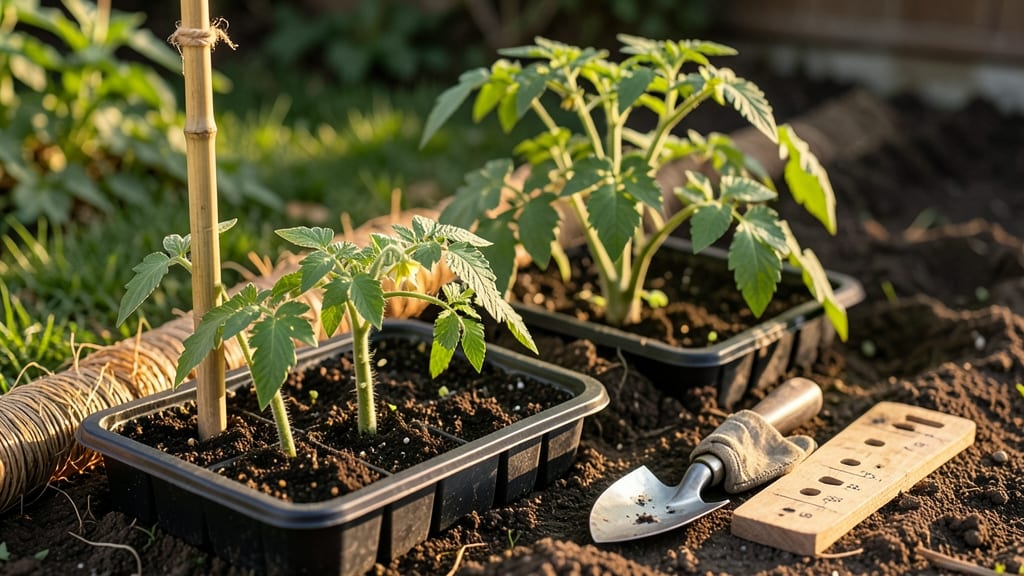
Planting tomatoes in Oklahoma at the wrong time can mean the difference between a bountiful harvest and wasted effort—especially when unpredictable weather throws curveballs like late frosts or scorching heat. With USDA zones 6b-8a spanning the state, timing isn’t one-size-fits-all, and getting it right means avoiding stunted growth or frost damage to your 🍅 plants.
Whether you're in the Panhandle’s cooler climate or Southern Oklahoma’s longer growing season, the key lies in understanding your local frost dates and soil temperatures. Most gardeners here aim for mid-April to early June for spring plantings, but fall crops can thrive with late July starts—if you play it smart.
I’ll walk you through the exact planting windows for your county, soil prep tips to speed up growth, and how to adjust for Oklahoma’s quirks—like urban heat islands or high-elevation microclimates. No more guesswork, just a foolproof plan to maximize your tomato yield.
Ready to turn your garden into a high-yielding tomato powerhouse? Let’s dive into the data, strategies, and variety picks that’ll have you harvesting until October—or even November if you’re in the right zone.
Oklahoma’s frost-free dates by county: the exact window to plant tomatoes
Oklahoma’s tomato growing season hinges on precise timing—plant too early, and frost will kill your seedlings; too late, and you’ll miss the 180-240 frost-free days needed for a full harvest.
The state’s USDA Zones 6b-8a create dramatic regional differences, with southern counties like Choctaw (Zone 8a) enjoying 240+ frost-free days, while northern counties like Woods (Zone 6b) only get 180 days.
These variations mean your planting window could shift by 6 weeks from one end of the state to the other.
To navigate this complexity, I’ve compiled 2024 average last frost dates by county, along with microclimate adjustments for urban heat islands and elevated areas. Use this data to calculate your optimal transplanting window—typically 2-3 weeks after your county’s last frost date, once soil temperatures hit 60°F.
For example, Oklahoma City (Zone 7a) usually has its last frost around April 15, making May 1 the ideal transplant date, while Tulsa (Zone 7b) can start slightly earlier.
🌱 PRO TIP: Bookmark the Old Farmer’s Almanac Oklahoma Frost Dates Map—it’s updated annually and accounts for 30-year climate trends. For urban gardeners, add 3-5 days to frost dates due to heat island effects that delay frost in cities like Norman or Lawton.
| Region | USDA Zone | Avg. Last Frost | Optimal Transplant Window | Frost-Free Days |
|---|---|---|---|---|
| Panhandle (e.g., Beaver, Texas) | 6b-7a | April 25-May 5 | May 15-June 1 | 180-200 |
| Northwest (e.g., Woodward, Enid) | 6b-7b | April 10-April 20 | April 25-May 10 | 200-220 |
| Central (e.g., Oklahoma City, Stillwater) | 7a-7b | April 1-10 | April 15-May 1 | 220-240 |
| Southeast (e.g., Tulsa, Muskogee) | 7b-8a | March 15-25 | March 30-April 15 | 240-260 |
| Southwest (e.g., Lawton, Altus) | 7a-7b | March 20-April 5 | April 5-April 20 | 230-250 |
🌡️ Key: Adjust dates 1 week earlier for urban areas, 1 week later for high-elevation spots (e.g., Wichita Mountains).
For elevation adjustments, add 1 day per 100 feet to frost dates if you’re gardening above 1,000 feet. For example, Fort Gibson (Zone 7b, 450 ft) can plant 1 week earlier than Miami (Zone 6b, 1,500 ft), which sits in the Ozark Plateau.
Always verify with your local Cooperative Extension office—they track real-time data and can alert you to unusual frost patterns.
Don’t overlook fall planting, which extends Oklahoma’s tomato season into November in southern counties. Seedlings started July 15-August 1
How to adjust planting dates for Oklahoma’s unpredictable weather patterns
Oklahoma’s weather can shift from freezing nights to 90°F heatwaves in weeks, making planting tomatoes a delicate balancing act. If you plant too early, a late frost will wipe out your seedlings.
Too late, and your harvest shrinks before the first frost hits in November. The solution? A multi-layered approach that accounts for soil temperature, microclimates, and backup plans.
Start by monitoring soil temperatures—tomatoes won’t thrive until the ground hits 60°F. In northern Oklahoma (like Ponca City or Enid), this often means waiting until mid-May, while southern regions (e.g., Tulsa or Oklahoma City) can plant as early as late April.
Use a soil thermometer to avoid guessing.
Avoid the temptation to rush planting just because the air feels warm. Nighttime temperatures below 50°F can stunt growth or cause blossom-end rot. I’ve seen gardeners in the Panhandle lose entire crops by planting in April only to face a May frost.
Instead, use black plastic mulch or row covers to warm the soil faster and protect young plants.
⚠️ Late Frost Warning
Northern Oklahoma counties (e.g., Woods County, Beckham County) average their last frost around April 20–May 5. If you plant before then, have a backup plan—like growing in containers you can move indoors if frost threatens. In southern OK, last frosts hit March 15–April 5, giving you a 3–4 week head start.
Pro Tip: Use frost cloth or row covers for the first 2–3 weeks after transplanting to shield seedlings from unexpected cold snaps.
For a fall harvest, aim to plant late July to early August in most of Oklahoma. This gives tomatoes time to mature before the first frost in November.
In Zone 8a (southern OK), you might even squeeze in a second fall crop by planting early September, but choose fast-maturing varieties like ‘Early Girl’ or ‘Stupice’.
Urban gardeners in Oklahoma City or Tulsa face an extra challenge: heat islands can make soil 10°F warmer than rural areas. If your garden is near pavement or buildings, plant 1–2 weeks earlier than rural guidelines suggest.
Conversely, high-elevation areas (like Oklahoma’s Ozark Mountains) may need to delay planting by 1 week due to cooler microclimates.
Finally, keep a journal of your planting dates and outcomes. Note when frosts hit early or late, and adjust next year’s schedule accordingly. Over time, you’ll develop a customized planting calendar that outperforms generic advice. With these strategies, you’ll turn Oklahoma’s unpredictable weather into an advantage—not a roadblock.