
Planting
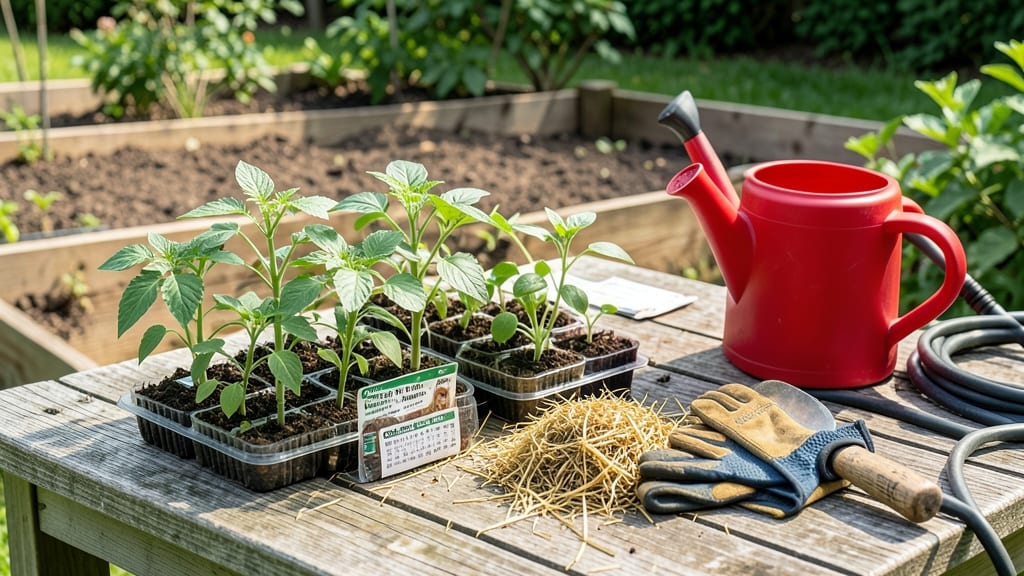
Figuring out when to plant a garden in Arkansas can feel like guessing—will your tomatoes bolt in the heat or your greens freeze before they grow?
The truth is, Arkansas’s 7a-8b zones offer two prime windows for planting 🌱 general garden vegetables, but timing depends on whether you’re growing cool-season crops like lettuce or heat-lovers like peppers.
Most Arkansas gardeners start in mid-February to early April for spring plantings, but don’t rush—waiting until after the last frost (usually mid-March) ensures your seedlings survive. Then comes the fall rush: late July to early September lets you squeeze in another harvest before winter sets in.
Miss these windows, and you’ll face stunted growth or wasted seeds.
Here’s the game-changer: your location matters. Delta regions stay warmer longer than the Ozarks, so adjust planting dates by 1-2 weeks based on microclimates. I’ll break down the exact deadlines for your zone, plus how to stretch your growing season with simple tricks—no green thumb required.
Ready to stop guessing and start growing? Let’s dive into the frost-free planting schedule that actually works for Arkansas gardens, so you can enjoy fresh veggies from spring to fall without the stress.
Arkansas planting zones: key dates for last and first frosts
Arkansas spans USDA Hardiness Zones 6b through 8a, meaning frost dates vary dramatically from the cool Ozark Mountains to the warmer Delta region. Knowing your exact last spring frost and first fall frost is critical—plant too soon, and a surprise freeze will kill tender seedlings.
Too late, and summer’s brutal heat will stress heat-sensitive crops like peppers and tomatoes.
Most Arkansas gardeners rely on average frost dates, but microclimates—like urban heat islands or river valleys—can shift these by 1-3 weeks. For example, Little Rock (Zone 7b) typically sees its last frost around March 15, while the Delta (Zone 8a) might be frost-free by February 28.
Always check local weather forecasts or use a frost-free calculator for your specific ZIP code.
Here’s how to use frost dates to plan your garden: Start cool-season crops (like lettuce or spinach) 4-6 weeks before your last frost. For warm-season crops (e.g., okra or sweet potatoes), wait 2-3 weeks after the last frost to ensure soil temperatures are above 60°F.
The 10-day rule is a gardener’s secret: If the forecast predicts a 10% chance of frost over the next 10 days, it’s safe to plant heat-lovers like tomatoes.
🌱 Pro Tip: Use row covers or cold frames to extend your planting window by 2-4 weeks in early spring or late fall. These tools create a 5-10°F warmer microclimate, protecting seedlings from unexpected chills.
Below is a region-by-region breakdown of Arkansas’s frost dates, including exceptions for urban areas and river valleys. Use this as your starting point, then adjust based on your garden’s specific conditions.
If you’re in an urban area, like Little Rock or Fayetteville, your garden might experience an urban heat island effect, pushing last frost dates 1-2 weeks later than rural areas. Conversely, high-elevation gardens in the Ozarks can see frost 10 days earlier than valley floors.
To account for this, monitor your local Almanac’s frost predictor or use a minimum-maximum thermometer to track soil temperatures.
For warm-season crops, soil temperature matters more than air temperature. Use a soil thermometer to confirm your garden bed is above 60°F before planting tomatoes, peppers, or squash.
In Arkansas, this typically aligns with mid-April in the north and early April in the south. If your soil is still chilly, opt for container gardening, which warms up faster.
Remember: Arkansas’s humidity and unpredictable weather can throw off even the best-laid plans. Always have a backup plan, like seedling trays for late starts or row covers for early planting. When in doubt, err on the side of planting later—most crops will forgive a delayed start better than a frost surprise.
Arkansas’s two main planting seasons—spring and fall—offer perfect windows for growing everything from tomatoes to peppers, but timing matters. Spring crops like lettuce and carrots thrive when planted 4-6 weeks before your last frost, while warm-season favorites need to wait until 2-3 weeks after that date. My month-by-month guide covers Arkansas’s most popular veggies and flowers, including succession planting tips to keep your harvests flowing. For example, bush beans and squash love Arkansas’s summer heat, but if you plant them too late, they’ll bolt before producing. Let’s break it down by month so you can maximize your garden’s potential.
Best crops to plant by month in Arkansas gardens
Month
Cool-Season Crops
Warm-Season Crops
Flowers
Succession Tip
February
Spinach, Kale, Peas
None (too early)
Pansies, Snapdragons
Start seeds indoors
March
Lettuce, Broccoli, Carrots
Tomato/pepper seedlings
Calendula, Sweet Alyssum
Direct sow peas
April
Radishes, Beets, Onions
Transplant tomatoes, peppers
Marigolds, Zinnias
Sow lettuce every 2 weeks
May
None (heat-sensitive)
Beans, Squash, Corn
Sunflowers, Cosmos
Plant bush beans in rows
July
None (too hot)
Late tomatoes, peppers
Zinnias, Dahlias
Save seeds for next year
August
Kale, Spinach (shade)
None (bolting risk)
Asters, Chrysanthemums
Direct sow fall lettuce
September
Broccoli, Cabbage, Carrots
None (too late)
Sweet Peas, Pansies
Plant garlic for spring
Notice how August and September bring back cool-season crops? This is your chance for a fall harvest before winter sets in. For example, kale and spinach actually thrive in Arkansas’s cooler fall weather, while tomatoes and peppers can still produce if planted early enough in July.
Pro tip: Use succession planting for crops like lettuce and radishes—sow new seeds every 2 weeks to ensure a steady supply. I’ve seen my bush beans produce for weeks if I plant a second batch in early July, just as the first starts to fade.
Don’t forget flowers! Planting marigolds alongside your veggies deters pests, while zinnias and sunflowers add beauty and attract pollinators. Even in Arkansas’s heat, these heat-tolerant blooms will keep your garden vibrant all summer long.
Arkansas’s humidity and variable weather can throw off even the best-laid plans, but sticking to this schedule ensures your garden thrives. Next, we’ll tackle how to adjust for Arkansas’s unpredictable weather—because even the best timing can go sideways if you’re not prepared.