
Planting
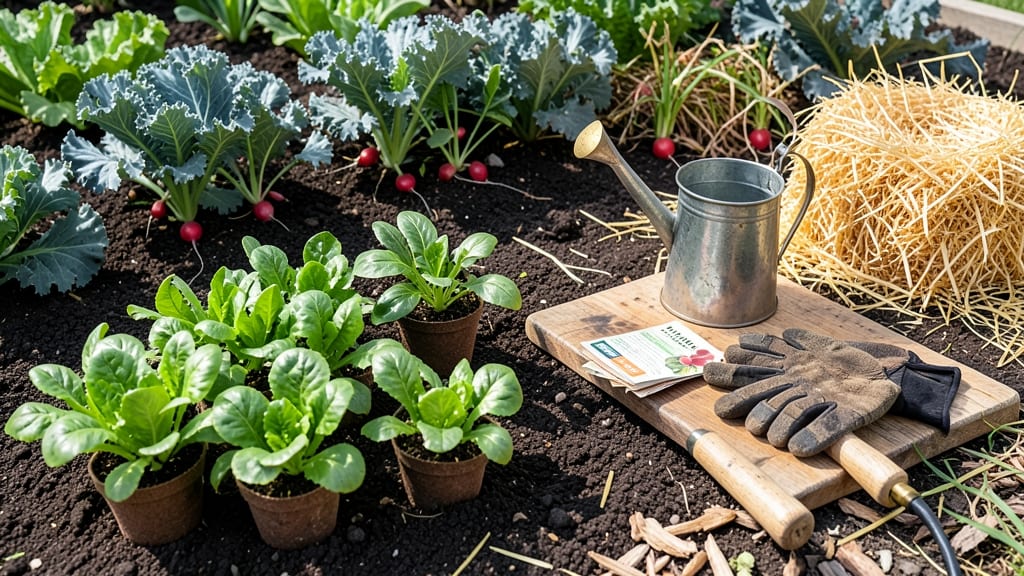
Timing your garden in Washington, DC, isn’t just about following a calendar—it’s about mastering the microclimates that can shift your planting window by weeks. Whether you’re in a Downtown heat island or a suburban backyard, getting it right means the difference between thriving 🌱 and struggling plants.
With USDA Zone 7b as your baseline, DC’s last frost typically lands around April 15, but urban areas can warm up faster, giving you an edge.
That means your spring planting could start as early as late March in some spots—while cooler pockets might need to wait until early April.
I’ll break down exactly when to plant your General Garden Vegetables & Flowers for maximum success, including which crops thrive in DC’s humidity and how to adjust for fall planting. No more guessing—just proven strategies for your specific corner of the city.
Ready to turn your garden dreams into reality? Let’s dive into the frost-free deadlines that will transform your planting season.
Washington DC planting zones: frost dates by neighborhood (2024 guide)
Washington, DC’s planting calendar isn’t one-size-fits-all. The city’s diverse microclimates—from the heat-island effect in downtown to cooler suburban areas—can create 2-3 week differences in frost dates. Knowing your exact USDA Zone (7a/7b) and neighborhood trends is key to avoiding frost damage or missed planting windows.
DC’s last spring frost typically arrives between mid-March and early April, but urban areas like Downtown often warm up 7-10 days earlier than Maryland suburbs. First fall frosts hit mid-November to early December, with Northern Virginia suburbs sometimes getting 2 weeks later than Southeast DC.
Here’s how to pinpoint your local planting window using DC’s 5 key microclimates:
| Neighborhood | Last Frost | First Frost | Planting Window | Notes |
|---|---|---|---|---|
| Downtown (National Mall) | March 25–April 5 | November 1–10 | Early April–Early Oct | Urban heat delays frost |
| Northwest (Adams Morgan) | April 1–10 | November 10–20 | April 15–Mid Oct | Cooler than downtown |
| Southeast (Anacostia) | March 20–April 2 | November 5–15 | Late March–Late Sept | Warmer microclimate |
| Northern VA Suburbs | April 5–15 | November 15–25 | April 20–Mid Nov | Longer growing season |
| Maryland Suburbs | April 10–20 | November 20–Dec 5 | Late April–Late Oct | Coolest microclimate |
For container gardens or rooftop plots, add 1-2 weeks to frost dates—urban heat can protect plants longer, but wind exposure may require earlier hardening. Always check soil temperature (use a soil thermometer): most vegetables need 60°F+ to thrive.
Pro tip: Use DC’s Capital Weather Gang frost alerts or local garden forums (like DC Gardening Facebook groups) for real-time updates. Even a single night below 32°F can damage tender seedlings like tomatoes or peppers, so plan accordingly.
Fall planting is trickier—aim for early September for cool-season crops like kale or spinach, but monitor forecasts. A late August heatwave can delay harvests by weeks.
Remember: DC’s humidity spikes in summer can stress plants, so adjust watering even if frost isn’t a concern. Use mulch to regulate soil temperature and retain moisture during these unpredictable windows.
🌱
Best crops to plant by month in DC’s climate: a seasonal timeline
Washington, DC’s humidity and heat spikes demand a strategic planting timeline. Cool-season crops like kale and spinach thrive in spring’s mild temperatures, while warm-season favorites such as tomatoes and peppers need summer’s warmth. Timing is key—plant too early, and frost will strike; too late, and your harvest suffers.
I’ve mapped out the ideal planting windows for DC’s most popular crops, adjusting for the city’s microclimates. Whether you’re sowing seeds or transplanting seedlings, this guide ensures you’re ahead of the game—no more missed opportunities for fresh, homegrown produce.
🌱
Plant spinach, lettuce, and peas as soon as soil is workable (around 50°F). Use row covers to protect from late frosts. Ideal for USDA Zone 7b’s early spring.
Transplant tomatoes, peppers, and eggplants after the last frost (April 15). Start cucumbers and squash from seeds once soil hits 60°F.
Sow bush beans, carrots, and radishes for a late-summer harvest. Avoid planting heat-sensitive crops like basil after July—it bolts quickly in DC’s summer heat.
Direct-sow broccoli, cauliflower, and kale for a fall harvest. Use shade cloth to protect seedlings from intense summer sun before transplanting.
Plant garlic, onions, and hardy greens like collards. Aim for harvest before the first frost (November 15). Extend the season with cold frames.
DC’s humidity can stunt growth if you ignore soil prep. Amend beds with compost before planting to improve drainage—especially critical for container gardens in urban areas where soil compacts easily.
Pro tip: Heat-loving crops like okra and sweet potatoes thrive in DC’s summer but need consistent moisture. Mulch heavily to retain water and cool roots during heatwaves.
🌿