
Planting
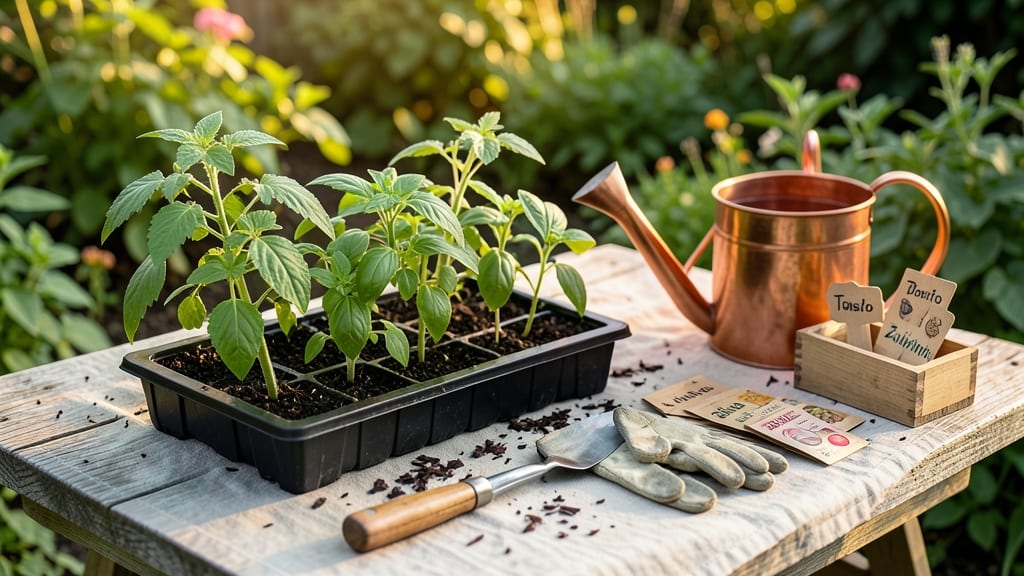
Timing your garden planting after the last frost can mean the difference between a thriving harvest and wasted seeds—yet many gardeners still guess instead of using precise data.
If you’ve ever watched your seedlings wither under unexpected frost or struggled with uneven growth, you know how critical the right timing can be. The key isn’t just waiting for spring—it’s understanding your local climate, soil conditions, and the specific needs of your plants.
Whether you’re a beginner or a seasoned gardener, knowing when to plant ensures your 🌱 thrives from seed to harvest.
This guide breaks down exactly when to plant based on your USDA zone, frost dates, and plant types—so you can start confidently. We’ll cover everything from cold-hardy greens to heat-loving tomatoes, plus tips to extend your growing season. Let’s turn your garden dreams into reality.
Ready to ditch the guesswork? Discover how to align your planting schedule with nature’s rhythm for a bountiful harvest all season long.
How to find your last-frost date by planting zone
Finding your last-frost date is the first step to planting a successful garden. This critical date marks when temperatures consistently stay above freezing, allowing tender plants to thrive without risk. Without knowing it, you might plant too early and lose seedlings—or wait too long and miss your best growing window.
Your USDA Plant Hardiness Zone (1-13) helps estimate frost dates, but local microclimates—like hills or bodies of water—can shift these by weeks. For example, a valley might frost later than a mountaintop just miles away.
Let’s break down how to pinpoint your exact last-frost date and adjust for your unique growing conditions.
Start by checking the USDA Plant Hardiness Zone Map for your area. Most gardeners fall into zones 5-9, where last-frost dates range from early March to late May.
For precise data, visit the National Oceanic and Atmospheric Administration (NOAA) website or use apps like Old Farmer’s Almanac, which provide historical frost records for your ZIP code.
Once you know your zone, add or subtract 1-2 weeks based on microclimates. South-facing slopes warm faster, while low-lying areas may frost later. Keep a garden journal for 2-3 years to track your local patterns—this personal data is more reliable than generic charts.
For urban gardeners, city heat islands can delay frost by 1-3 weeks compared to rural areas. If you’re near water, expect earlier springs, while desert regions may have later frosts due to cold air pooling.
Always err on the side of caution: plant after 3 consecutive days above 50°F (10°C).
Pro tip: Use biodegradable seed-starting pots to transplant seedlings outdoors once frost risk passes. This gives you flexibility to adjust planting dates based on real-time weather forecasts. Check the National Weather Service for short-term outlooks in spring.
Here’s the key: Soil temperature matters more than air temperature. Use a soil thermometer to confirm it’s at least 50°F (10°C) for most vegetables. Cool soil slows germination, even if the air is warm. For warm-season crops like tomatoes, wait until soil hits 60°F (15°C).
If you’re in a tropical or subtropical zone (10-12), frost is rare, but heat waves can stress plants. Focus on humidity levels and rainfall patterns instead. Plant year-round but time heavy feeders (like corn) with the wet season for best results.
For high-altitude gardeners (zones 3-4), frost can linger into June. Use row covers or cold frames to extend your season. In these areas, start cold-hardy crops like kale or peas as early as March, even if frost is still possible.
Remember: Frost dates shift yearly. Climate change is making springs warmer, but late frosts still happen. Always have a backup plan, like a second planting of fast growers (radishes, lettuce) if your first batch fails.
Now that you’ve locked in your last-frost date, you’re ready to plan your garden. But not all plants thrive at the same time. Cold-hardy crops like broccoli and spinach can handle light frosts, while warm-season plants like peppers need consistent warmth.
In the next section, we’ll break down the best planting times for each type—so you can maximize your harvest without wasting seeds.
Pro tip: Bookmark the NOAA Frost/Freeze Product for your region. It updates daily and can save your garden from unexpected late frosts. Happy planting!
Best planting times for vegetables, flowers, and herbs by type
Not all plants share the same love language when it comes to timing. Some, like kale and peas, thrive in cool weather and can even handle light frost, while others, such as tomatoes and basil, need warm soil to germinate.
Understanding these differences is key to avoiding disappointed seedlings and maximizing your harvest. The last-frost date is your starting point, but the specific needs of each plant type will dictate exactly when to plant.
For cool-season crops, like lettuce and spinach, you can often plant them 4-6 weeks before your last frost date. These hardy plants tolerate temperatures as low as 25°F and can even be sown in early spring or late summer for a fall harvest.
On the other hand, warm-season crops, such as peppers and cucumbers, should wait until the soil reaches at least 60°F and all frost risk has passed. This usually means planting them 2-4 weeks after your last frost date.
Herbs like parsley and cilantro also prefer cooler temperatures, while basil and oregano need the warmth of summer to flourish. Even flowers have their preferences—pansies and violets can handle cooler weather, whereas marigolds and zinnia thrive in the heat.
Knowing these distinctions ensures your garden stays vibrant and productive all season long.
| Plant Type | Best Planting Time | Soil Temp Requirement | Notes |
|---|---|---|---|
| Cool-Season Veggies | 4-6 weeks before last frost | 40-60°F | Kale, spinach, lettuce, peas |
| Warm-Season Veggies | 2-4 weeks after last frost | 60-70°F | Tomatoes, peppers, cucumbers |
| Cool-Season Herbs | Early spring or late summer | 45-55°F | Parsley, cilantro, dill |
| Warm-Season Herbs | After last frost | 65-75°F | Basil, oregano, thyme |
| Cool-Season Flowers | Early spring or fall | 40-50°F | Pansies, violets, snapdragons |
| Warm-Season Flowers | After last frost | 60-70°F | Marigolds, zinnias, sunflowers |
If you’re in a warmer climate, like USDA zones 9-11, you might even plant some crops like okra or sweet potatoes in early spring, as they thrive in heat.
Meanwhile, gardeners in cooler zones (3-5) can still enjoy a long harvest by planting cool-season crops in late summer for a fall garden. Always check your local frost dates and adjust for microclimates—like a sunny south-facing slope—that might warm up faster than the rest of your yard.
For container gardening, timing is equally critical. Smaller pots heat up faster, so you may need to plant warm-season crops slightly earlier than those in the ground. Conversely, containers also cool down quicker in fall, so plan to bring them indoors or use row covers before the first frost.
Paying attention to these details ensures your container garden stays productive just like an in-ground plot.
Finally, don’t forget about succession planting—the art of staggering plantings to extend your harvest. For example, you can plant bush beans every 2 weeks from late spring until midsummer to enjoy fresh pods all season.
By aligning your planting schedule with each plant’s ideal conditions, you’ll create a garden that’s always in bloom or bearing fruit.