
Plants
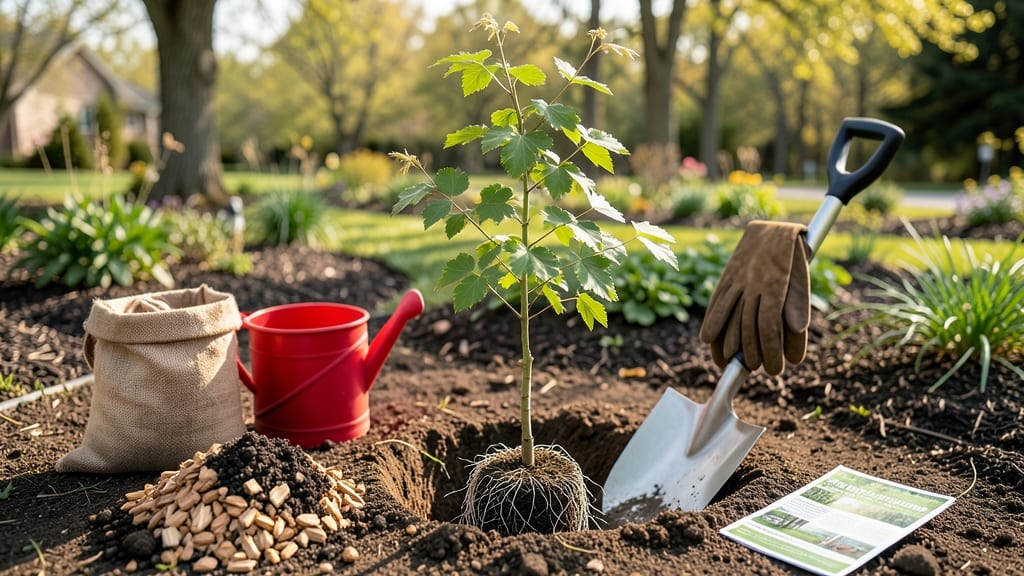
Timing your tree planting in Colorado isn't just about waiting for spring—it's about outsmarting elevation shifts that can turn a simple project into a high-stakes gamble.
With hardiness zones ranging from 5 to 7 and frost dates that vary by hundreds of feet, getting it wrong could mean watching your 🌳 struggle or even die before it takes root.
Most gardeners assume late spring is the only window, but Colorado's microclimates create two critical planting seasons: fall (September-October) and late winter/early spring (February-April). The key? Understanding how your specific elevation zone—whether lowland, foothills, or mountain—affects soil temperatures and frost timing.
I've seen firsthand how a tree planted too early in Denver's urban heat islands can bake in unprotected soil, while one planted too late in the mountains gets caught in early frosts. The solution isn't one-size-fits-all timing—it's about reading your local cues and adjusting for Colorado's unpredictable climate patterns.
In this guide, I'll break down exactly when to plant based on your elevation zone, plus pro tips for soil prep and post-planting care that actually work in Colorado's unique conditions. Let's get your trees off to the right start—before the next frost hits.
Colorado’s 3 key elevation zones and their ideal planting windows
Colorado’s dramatic elevation changes—from 3,000-foot plains to 14,000-foot peaks—mean planting a tree at the wrong time can spell disaster. Unlike flat states, your hardiness zone shifts dramatically over short distances, altering frost dates and growing seasons.
I’ve broken down the three critical elevation zones and their precise planting windows to help you avoid costly mistakes.
At low elevations (3,000–6,000 ft), like Denver or Colorado Springs, you’ll find USDA Zones 6-7 with later last frosts (mid-May) and earlier first frosts (late October). This gives you a 6-week window for fall planting—ideal for deciduous trees like American elms or red maples.
Spring planting here starts in late March once soil temperatures hit 50°F.
In the foothills (6,000–9,000 ft), zones shift to 5-6, with frost dates creeping earlier (late April to early November). Your planting window narrows to late April–mid-May for spring and September–early October for fall.
Evergreens like blue spruces thrive here but need extra winter protection from desiccating winds.
Above 9,000 ft, in zones 4-5, conditions become harsh: shorter growing seasons and earlier frosts (late September). Bare-root trees must go in late April–early May, while container-grown species can wait until June.
Native species like quaking aspens or Engelmann spruces are your best bets for survival.
🌱 Pro Tip: Always check your local cooperative extension office for microclimate adjustments—urban areas can be 5°F warmer than rural zones just miles away.
Colorado Elevation Zones: Planting Timeline
| Elevation Zone | USDA Zone | Last Frost | First Frost | Spring Planting | Fall Planting |
|---|---|---|---|---|---|
| Lowland (3,000–6,000 ft) | 6-7 | Mid-May | Late October | Late March–April | September–October |
| Foothills (6,000–9,000 ft) | 5-6 | Late April | Early November | Late April–May | September–Early October |
| Mountain (9,000+ ft) | 4-5 | Early May | Late September | Late April–Early June | N/A (Too short) |
*Adjust for microclimates: Urban areas plant 2-3 weeks later than rural zones.
For container-grown trees, you’ve got more flexibility—plant anytime soil isn’t frozen, but avoid extreme heat (July–August), which stresses roots. My go-to rule: If you can stick a trowel 6 inches deep without hitting rock or ice, it’s planting time.
Evergreens like Ponderosa pines or Douglas firs need extra fall prep in high elevations. Water deeply in late summer to build root reserves before winter. In lowland zones, focus on mulching (3–4 inches) to protect roots from freeze-thaw cycles.
🌿 Key Species by Zone:
- Lowland: Honey locust (drought-tolerant), Green ash (urban-friendly)
- Foothills: Colorado blue spruce (wind-resistant), Rocky Mountain juniper (native)
- Mountain: Subalpine fir (cold
How to adjust planting timing for Colorado’s microclimates and soil conditions
Colorado’s microclimates can make planting timing feel like solving a puzzle—what works in Denver’s urban heat islands fails in mountain valleys, and vice versa. Even within the same elevation zone, your tree’s success hinges on soil type, wind exposure, and nearby structures.
For example, a cottonwood thrives in moist lowland soils near rivers, while a blue spruce needs well-draining, rocky soil typical of foothills.
Urban areas like Colorado Springs or Fort Collins experience "heat islands" where asphalt and buildings trap warmth, extending the growing season by 2–3 weeks. Meanwhile, windy eastern plains demand faster root establishment to prevent transplant shock.
Adjust your timing by 1–2 weeks earlier in urban zones and 1–2 weeks later in windy or high-altitude areas.
Soil moisture is the game-changer. Colorado’s clay-heavy soils in the front range hold water but suffocate roots if overwatered, while sandy soils in the western slope dry out quickly. Always conduct a soil moisture test before planting—stick your finger 6 inches deep; if dry, delay planting until spring rains arrive.
🌱 Pros & Cons: Planting Adjustments for Colorado’s Microclimates
| Scenario | Pros | Cons |
|---|---|---|
| Urban Heat Islands (Denver, Colorado Springs) | Extended growing season; less frost risk | Soil stays too warm; risk of drought stress |
| Wind-Prone Plains (Eastern CO) | Faster root growth from wind stress | Transplant shock if planted too late |
| Clay Soils (Front Range) | Retains moisture for young roots | Risk of root rot if overwatered |
| High-Elevation Valleys (Aspen, Vail) | Cooler soils reduce transplant shock | Shorter growing season; frost risk |
💡 Tip: For clay soils, amend with compost or sand to improve drainage.
Drought is another wildcard. In western Colorado’s arid zones, prioritize drought-tolerant species like Ponderosa pine or Russian olive. Plant these in late fall (October) to let roots establish before summer heat arrives.
In contrast, moisture-loving trees like willows or birches should go in early spring (March–April) when snowmelt replenishes soil.
Evergreens like blue spruce or Douglas fir are trickier—they need well-draining soil and hate soggy roots. If your site has poor drainage, raise the planting hole 2–3 inches higher than surrounding soil and mix in perlite or gravel.
For deciduous trees like maples or oaks, focus on soil aeration by tilling deeply before planting.
Finally, watch for late-season heatwaves that can fool you into planting too late. In 2021’s record-breaking June heat, many gardeners in Boulder lost young trees because soil temperatures exceeded 85°F.
Use a soil thermometer—ideal planting temps are 50–70°F. If it’s hotter, wait or plant in partial shade until conditions cool.
Adjusting for these factors isn’t just about timing—it’s about giving your tree the right conditions to thrive in Colorado’s unpredictable climate. Start with soil tests, choose species that match your microclimate, and plant when the stars (and soil thermometer) align. 🌳