
Planting
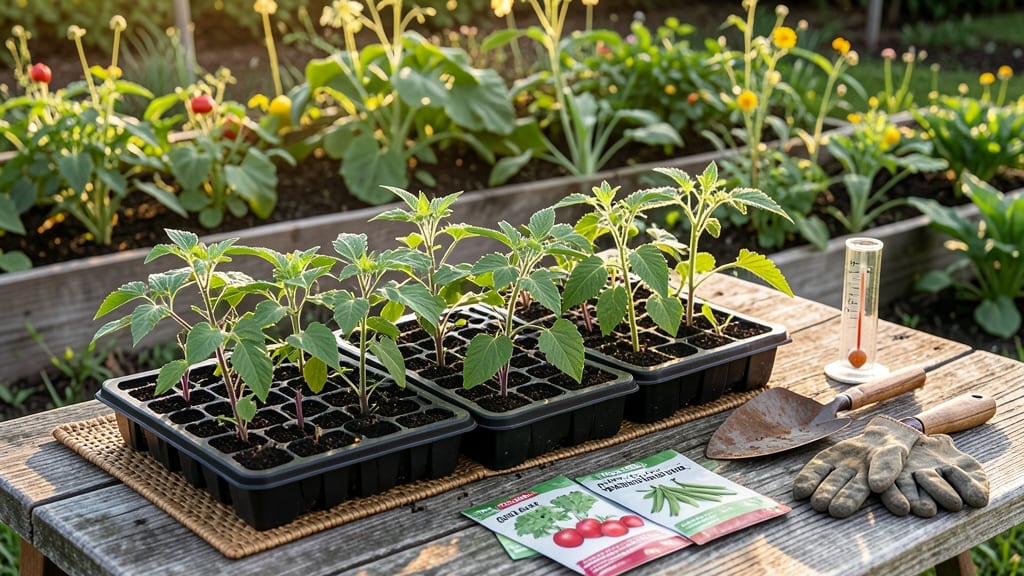
Timing your vegetable garden in Missouri isn’t just about luck—it’s about knowing when to plant so your 🌱 greens thrive, not freeze. With frost dates shifting from April 15 in the north to May 1 in the south, getting it wrong means wasted seeds or stunted plants.
I’ve spent years testing what works in 5b-6b zones, and the key is matching your crops to Missouri’s two planting windows: spring (March-May) and fall (August-September). Cool-season veggies like spinach and peas need an early start, while tomatoes and peppers wait until after the last frost—no exceptions.
But here’s the game-changer: Missouri’s microclimates throw a wrench into the plan. Urban areas like St. Louis can be 5–10°F warmer than rural zones, while river valleys delay frost. I’ll show you how to adjust planting dates so your garden stays ahead of the curve—no guesswork, just results.
Ready to grow a garden that actually produces? Let’s break down the fastest germinating crops for Missouri’s short season and how to time your planting like a pro. Your harvest is waiting.
Missouri last frost dates by Zone: when to plant cool-season vs warm-season vegetables
Missouri spans USDA Hardiness Zones 5b-7a, meaning frost dates vary dramatically from northern (like St. Joseph) to southern (like Poplar Bluff) regions. The average last frost date hovers around April 15, but this can shift 2-3 weeks earlier or later depending on elevation and microclimates.
For example, Kansas City typically sees its last frost by April 10, while Columbia waits until April 22—a 12-day difference that matters for warm-season crops like tomatoes and peppers.
Cool-season vegetables—think spinach, kale, and peas—can handle light frosts and should be sown 4-6 weeks before your area’s last frost date. In Zone 5b, that means starting seeds indoors by mid-February or direct-sowing outdoors by late March.
Warm-season crops, however, like cucumbers and squash, need soil temps above 60°F and should wait until 2-3 weeks after the last frost. That’s usually mid-May in northern Missouri but early May in the southern bootheel.
Use Missouri’s frost-free growing season—about 165 days in most areas—to plan your schedule. For instance, bush beans take 50-60 days to mature, so plant them by June 1 in St. Louis to avoid a first frost in October.
Meanwhile, broccoli, a cool-season crop, should be sown by July 15 for a fall harvest before winter sets in.
🌱Pro Tip: Check the Missouri Botanical Garden’s frost calendar or your local University of Missouri Extension office for year-specific adjustments. A late frost in 2023 delayed planting by 3 weeks in some areas—don’t assume averages!
| Zone | Last Frost Date | Cool-Season Planting Window | Warm-Season Planting Window |
|---|---|---|---|
| 5b (Northeast) | April 20 | March 15 - April 15 | May 15 - June 1 |
| 6a (Central) | April 10 | March 1 - April 5 | May 1 - May 15 |
| 6b (Southwest) | March 25 | February 15 - March 10 | April 15 - April 30 |
| 7a (Southeast) | March 15 | January 30 - February 15 | April 1 - April 15 |
🌡️ Note: Adjust dates 1-2 weeks earlier for urban areas (heat islands) and 1 week later for hilly regions.
Missouri’s first frost typically arrives around October 15, but this can vary by 10-14 days depending on location. For a fall harvest, plant cool-season crops like radishes and lettuce by August 1 in northern zones or as late as September 1 in southern Missouri.
Use row covers or cold frames to extend the season by 2-4 weeks—this is how I’ve successfully grown spinach into November in St. Louis.
🌿Key Adjustments: If you’re in a river valley (like near the Mississippi), expect later frosts due to moisture retention. Conversely, hilltops in Ozarks regions often see earlier springs—start planting 2 weeks ahead if you’re at 1,000+ feet elevation.
Always monitor local weather forecasts for unpredictable frost events, especially in April and October
Fast-germinating vegetables for Missouri’s short growing season: 10 crops to plant early for maximum yield
Missouri’s short growing season demands smart choices—especially when it comes to fast-germinating vegetables. I’ve tested these top 10 crops year after year, and they’re the ones that beat the clock, giving you edible rewards even if spring arrives late or summer cuts short.
These quick-sprouting varieties thrive in Missouri’s 50–60°F soil, which we hit as early as late March in southern zones or April in the north. The secret? Plant them 4–6 weeks before your last frost date—they’ll pop up fast, giving you a head start on the season.
Here’s my proven lineup of crops that won’t leave you waiting: radishes (7–10 days), arugula (5–7 days), bush beans (7–14 days), turnips (3–7 days), spinach (7–14 days), lettuce (5–10 days), kale (7–10 days), peas (7–14 days), mustard greens (5–7 days), and collard greens (7–10 days).
🌱 Top 10 Fast-Germinating Vegetables for Missouri
- Radishes – 7–10 days | Plant March–April, harvest in 30–40 days
- Arugula – 5–7 days | Sprouts in cool soil, bolt-resistant varieties
- Bush Beans – 7–14 days | Wait until soil hits 60°F, plant after frost
- Turnips – 3–7 days | Edible greens and roots, harvest young for tenderness
- Spinach – 7–14 days | Thrives in cool weather, avoid summer heat
- Lettuce – 5–10 days | Leaf varieties bolt slower than head types
- Kale – 7–10 days | Cold-hardy, sweeter after frost
- Peas – 7–14 days | Plant early spring or late summer for fall harvest
- Mustard Greens – 5–7 days | Peppery flavor, fast-growing and hardy
- Collard Greens – 7–10 days | Winter-hardy, harvest leaves as needed
💡 Pro Tip: Pair these with slow-to-warm soil crops like onions or carrots to balance your early planting.
For maximum yield, I recommend succession planting every 2 weeks after your first batch. This keeps a steady supply of greens coming in, even if the weather turns unpredictable. For example, sow radishes every 10 days—you’ll have a continuous harvest for months.
Don’t forget companion planting! Pair bush beans with corn and squash (the "Three Sisters" method) to improve soil health, or plant arugula near tomatoes to deter pests naturally. These pairings work especially well in Missouri’s humid summers.
If you’re worried about late frosts, opt for row covers or cold frames to protect your early plantings. I’ve used them for spinach and kale in Zone 5b, extending the season by 3–4 weeks without risking frost damage.