
Plants
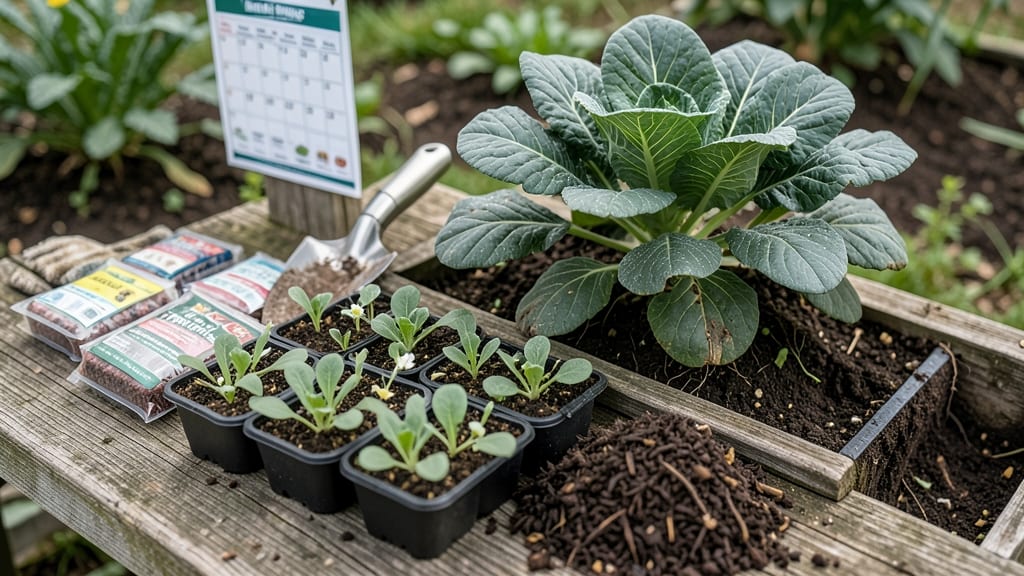
If you're growing 🥬 collard greens in North Carolina, timing your planting could mean the difference between a bountiful harvest and a bitter disappointment.
The state's varied microclimates—from the coastal plains to the mountain regions—create unique challenges, and getting it wrong can leave your plants struggling with heat stress or frost damage.
For most gardeners in USDA Zones 7a-8b, the ideal windows are surprisingly narrow: March 15-April 30 for spring plantings and August 15-September 30 for fall harvests. But here's the catch—your exact location matters more than you might think.
A Piedmont garden might need to plant earlier than the coast, while mountain regions should wait until after the last frost date.
What happens if you miss these windows? You could end up with collards that bolt too quickly in summer heat or get nipped by early frosts before they mature.
The good news is that with the right strategies—like choosing heat-tolerant varieties and using row covers—you can stretch your growing season and enjoy fresh greens nearly year-round.
I'll walk you through the exact planting schedule for your specific microclimate, plus pro tips to maximize your harvest. Let's get those collards thriving in your North Carolina garden!
North Carolina’s frost-free planting windows for collard greens by Zone
North Carolina’s diverse climate—spanning USDA Zones 7a to 8b—means your collard greens planting strategy must adapt to local frost risks and heat thresholds. Coastal areas like Wilmington (Zone 8a) enjoy longer growing seasons, while the Blue Ridge Mountains (Zone 7a) face earlier frosts.
To maximize your harvest, align planting with your microclimate’s last frost dates, typically mid-March to late April for spring and mid-August to late September for fall.
Collard greens thrive in cool weather (60–75°F) but struggle when temperatures exceed 85°F, causing bolting. In NC’s Piedmont region (Zone 7b), aim to plant 4–6 weeks before the first frost (usually mid-November) for a winter harvest.
Meanwhile, the Sandhills (Zone 8a) can plant as late as October 15 without frost concerns.
Key dates to remember: Spring planting should start 2–3 weeks after your last frost (late March in most zones), while fall planting should finish 60 days before the first frost. For example, in Raleigh (Zone 7b), plant March 15–April 30 for spring and August 15–September 15 for fall.
For year-round harvests, NC gardeners often plant successive crops every 2–3 weeks during the ideal windows. In the Coastal Zone (8a-8b), you can even plant lightly in winter (December–January) under row covers for early spring greens.
However, avoid planting when soil temps drop below 40°F, as germination slows dramatically.
Heat tolerance is another critical factor. In Zone 8a, collards planted in late summer (August) may bolt by September if daytime temps exceed 90°F. To mitigate this, use shade cloth (30–50%) during peak afternoons or choose heat-tolerant varieties like ‘Vates’ or ‘Champion.’
Soil prep is equally important. Collards prefer well-draining, slightly acidic soil (pH 6.0–6.8). Before planting, amend your beds with 2–3 inches of compost and a balanced fertilizer (10-20-10) to ensure robust growth. In clay-heavy soils (common in Piedmont), mix in sand or peat moss to improve drainage.
Monitor soil moisture closely, especially in sandy soils (Sandhills), which dry out faster. Mulch with straw or wood chips to retain moisture and suppress weeds. In mountain regions
How to extend your collard green harvest season in North Carolina
North Carolina’s mild winters and long growing season make it possible to harvest collard greens almost year-round, but timing is everything. Planting too late in fall risks frost damage, while summer heat can cause bolting.
The key? Strategic planting, cold protection, and variety selection tailored to NC’s USDA Zones 7a-8b.
For a spring harvest, sow seeds 2-3 weeks after your last frost date (typically late March). In Zone 7a, aim for early April, while Zone 8b gardeners can start as early as mid-March. This gives plants enough time to mature before summer heat sets in.
Fall planting is where NC gardeners shine. Start seeds 4-6 weeks before your first frost (typically mid-September for Zone 7a and early October for Zone 8b). For even later harvests, try a winter planting in December—cold-hardy varieties like ‘Vates’ survive down to 15°F with mulch protection.
Succession planting works wonders for continuous harvests. Sow new seeds every 2-3 weeks from spring through early summer. In fall, stagger plantings every 3 weeks until early October. This ensures fresh leaves when earlier plantings bolt or mature.
Choose heat-tolerant varieties like ‘Champion’ for summer plantings and cold-hardy types like ‘Georgia Southern’ for fall/winter. Mulch with straw or leaves to insulate roots during winter, and water deeply before frost to prevent dehydration.
Monitor your local frost dates—NC’s coastal areas (Zone 8b) have later frosts than the mountains (Zone 7a). Use a frost calendar from your county extension office for precise timing. With these strategies, you’ll enjoy collards from spring through winter!