
Planting
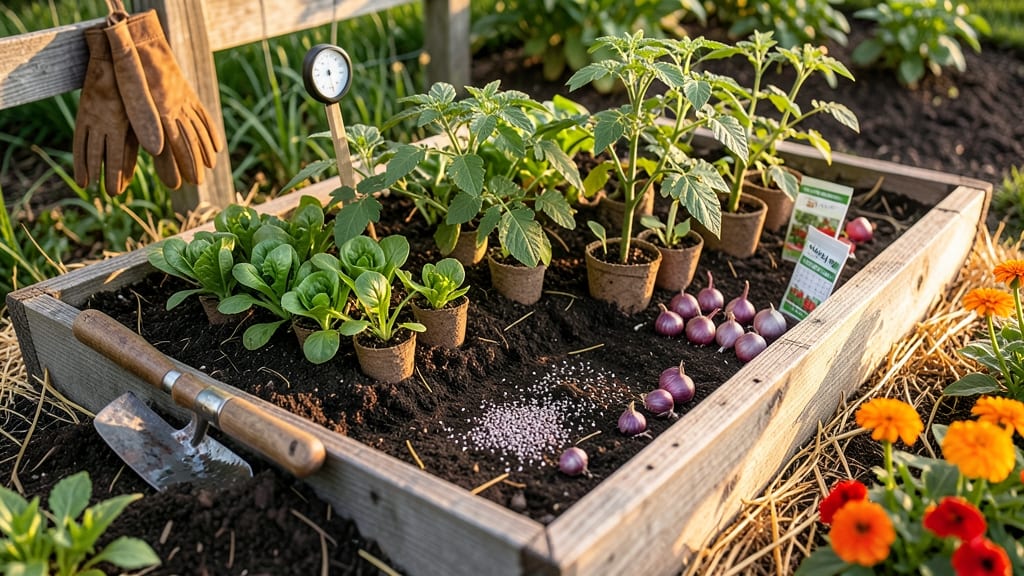
When to plant a vegetable garden in Ontario isn't just about following a calendar—it's about outsmarting frost, soil temperatures, and Ontario's famously fickle weather. Plant too early, and a late frost could wipe out your hard work; wait too long, and you'll miss peak harvests. The difference between a thriving 🥕 patch and a disappointing one often comes down to knowing exactly when to start seeds, transplant seedlings, and even plan for fall crops.
Let me show you how to navigate Ontario's Zone 5a-6b climate with confidence. Whether you're in Toronto's urban gardens or a rural patch in Northern Ontario, the right planting schedule can mean the difference between 30-day harvests and waiting twice as long.
We'll break down exactly when to plant everything from frost-hardy peas to heat-loving tomatoes, plus how to use Ontario's last frost dates (typically mid-May) to your advantage.
What you'll discover is that Ontario gardeners have two key windows: spring (April 15-June 15) and fall (July 1-August 15). But not all vegetables play by the same rules—some need to go in the ground weeks before the last frost, while others should wait until the soil is properly warmed.
I'll walk you through the exact timing for each category, so you can avoid common mistakes like planting tomatoes before the soil reaches 55°F (13°C)—a move that guarantees slow, stunted growth.
Ready to transform your garden from guesswork to guaranteed success? By the end, you'll have a clear planting timeline tailored to Ontario's climate, plus tips for extending your growing season into late fall. Let's get those seeds in the ground at the perfect moment!
Ontario’s planting zones: cold-hardy vegetables and their ideal start dates
Ontario’s USDA Zones 4-6 create unique challenges for gardeners, where last frost dates can vary by 2-3 weeks between Southern Ontario and Northern regions. Understanding these zones helps you time cold-hardy vegetables like kale, peas, and potatoes for maximum success.
Most of Southern Ontario (Zone 5-6) sees its last frost around May 10-20, while Northern areas (Zone 4) can experience frost until June 1-15.
This means early spring planting in the south could be risky for tender crops, while Northern gardeners may need to wait longer before planting frost-sensitive varieties.
For cold-hardy vegetables, the key is planting 2-4 weeks before your last frost date. These resilient crops thrive in cooler temperatures and can even tolerate light frosts.
Examples include spinach, lettuce, and radishes, which can be sown as early as late March in Southern Ontario or early April in Northern regions.
Potatoes are a great example—plant them 2-3 weeks before your last frost for a head start. In Southern Ontario, this means early April planting, while Northern gardeners should wait until late April to early May. Early planting gives them time to establish before the soil warms up.
Peas are another frost-tolerant crop that can be sown as soon as the soil is workable, often in March or early April, depending on your zone. They germinate well in cool soil and can even handle light frost, making them ideal for Ontario’s early spring.
Here’s how to calculate your last frost date for precise timing: Check local weather reports or use the Ontario Ministry of Agriculture’s frost forecast tools. For Southern Ontario, aim for May 10-15, while Northern regions should plan for June 1-10.
For succession planting, plan to sow leafy greens every 2 weeks from spring to early summer. This ensures a continuous harvest and prevents bolting (when plants flower prematurely due to heat). For example, plant radishes every 10-14 days from April to June for a steady supply.
If you’re in Northern Ontario (Zone 4), extend your growing season by using row covers or cold frames to protect early plantings. These tools can push your last frost date back by 2-3 weeks, giving you more time to grow cold-hardy crops like broccoli or cabbage.
Always test your soil temperature before planting—most cold-hardy crops prefer soil temps between 40°F and 60°F (4°C-15°C). Use a soil thermometer to avoid planting too early when the ground is still cold and slow to warm.
By aligning your planting schedule with Ontario’s climate zones and frost dates, you’ll set your vegetable garden up for success, whether you’re in Toronto or Thunder Bay. Start with these cold-hardy crops, and you’ll build confidence for tackling warm-season vegetables later in the season.
Warm-season vegetables in Ontario: when to start indoors vs. direct-sowing
Warm-season vegetables like tomatoes, peppers, and cucumbers need consistent warmth to thrive, making timing critical in Ontario’s short growing season. Starting them indoors too early or transplanting too late can leave you with weak plants or no harvest at all.
The key is balancing indoor seed-starting with soil temperature thresholds and last-frost dates.
For most of Ontario (Zones 5a-6b), aim to start seeds indoors 6-8 weeks before your last frost date. This means mid-March to early April for Southern regions, while Northern areas should start slightly later, around late March to early April.
Transplant seedlings outdoors only after soil temperatures reach 15°C (60°F) consistently, typically 2 weeks after last frost.
Direct-sowing warm-season crops is riskier but possible for heat-tolerant varieties like beans and corn. Wait until soil is at least 18°C (65°F), usually late May to early June. Use black plastic mulch to warm the soil faster and protect young plants from unexpected cold snaps.
| Vegetable | Indoor Start | Outdoor Transplant | Direct Sow | Soil Temp |
|---|---|---|---|---|
| Tomatoes | 6-8 weeks before last frost | After last frost (May 15-25) | Not recommended | 15°C+ (60°F+) |
| Peppers | 8-10 weeks before last frost | After last frost (May 20-30) | Not recommended | 18°C+ (65°F+) |
| Cucumbers | 3-4 weeks before last frost | After last frost (May 15-25) | Late May (soil 18°C+) | 18°C+ (65°F+) |
| Beans | Not needed | After last frost (May 20-30) | Late May (soil 15°C+) | 12°C+ (55°F+) |
If you miss the indoor-starting window, consider container gardening to extend your season. Containers warm up faster and can be moved to protected spots if frost threatens. For example, strawberry pots or grow bags work well for peppers and eggplants in cooler regions.
Always monitor your local frost forecasts from the Ontario Ministry of Agriculture or Environment Canada. A late frost can wipe out tender seedlings in days, so have row covers ready for emergencies.
Even a light frost can damage young tomato plants, so wait until nighttime temperatures stay above 10°C (50°F).
For late-season warmth lovers, try succession planting with fast-maturing varieties like bush beans or zucchini in July. These can produce harvests before the first frost hits in October. Just remember: warm-season crops need heat, and Ontario’s short window means timing is everything!