
Plants
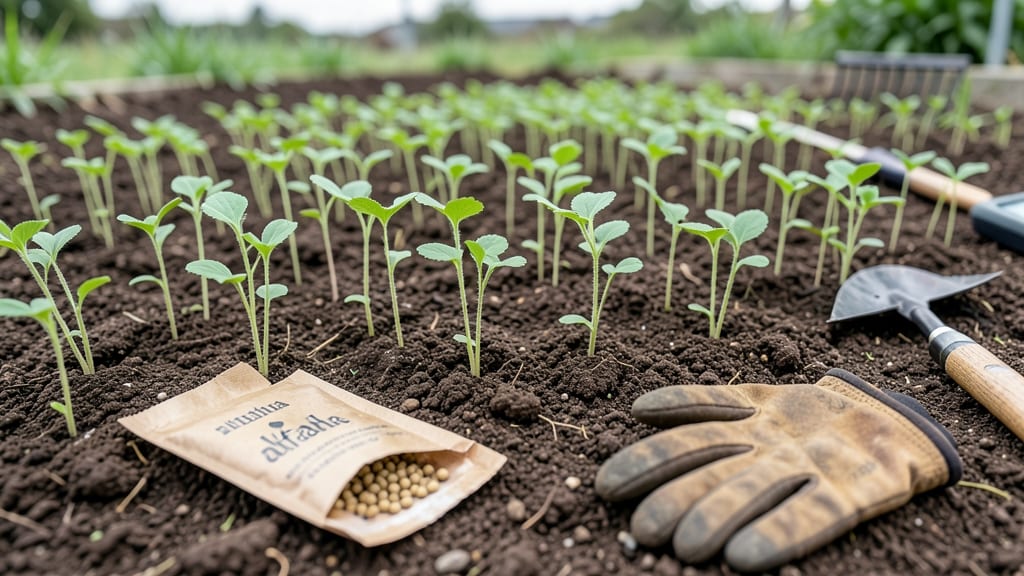
Timing your alfalfa planting just right in spring can mean the difference between a thriving crop and weeks of frustration waiting for germination.
The key lies in understanding your local climate—whether you're in USDA Zone 6a or further south, getting those seeds in the ground at the perfect moment ensures fast growth and a bountiful harvest.
For most gardeners, early to mid-spring is the sweet spot, but don't just follow a calendar. Soil temperature matters more than dates—50–60°F is ideal for alfalfa seeds to sprout.
If you're unsure, dig a little deeper: warm soil means it's time to plant. I'll show you exactly how to check without fancy tools.
Regional differences play a huge role too. Northern climates like Zone 6a need to wait until after the last frost (usually around April 15), while warmer areas can start earlier. We'll break down the best windows for your location, so you can avoid common mistakes that slow down germination.
Once you've nailed the timing, the next steps are simple: prepare your soil, plant those seeds 1/4 inch deep, and keep them consistently moist. With these tips, you'll be well on your way to a lush alfalfa crop ready for late summer harvest. Let's get started!
Optimal soil temperature and frost-free timeline for alfalfa germination
Alfalfa seeds are notoriously sensitive to cold soil, and planting too early can leave them sitting in the ground for weeks without sprouting. The ideal soil temperature for germination is between 50–60°F, where seeds typically sprout within 7–14 days.
Below 45°F, germination slows dramatically, and seeds may rot before emerging.
Most gardeners rely on the last frost date as their planting cue, but this isn’t always accurate for alfalfa. Unlike frost-tender crops, alfalfa needs consistent warmth—not just frost-free skies.
A late frost can still damage young seedlings, so waiting for stable daytime highs of 60°F+ is safer than rushing after the first frost warning lifts.
To check soil readiness without a thermometer, press your finger 2 inches deep into the soil. If it feels cooler than your wrist (a rough proxy for 50°F), wait a few more days.
Another trick? Watch for dandelions—when their leaves unfurl in the morning, your soil is likely warm enough for alfalfa.
| Factor | Specification | Action |
|---|---|---|
| Soil Temperature | 50–60°F | Use a soil thermometer or wait for dandelion leaves to unfurl |
| Daytime Highs | 60°F+ (consistent) | Plant when mornings stay above 55°F for 3+ days |
| Frost Risk | None for 2 weeks post-planting | Check 10-day weather forecasts |
| Moisture Level | Evenly moist (not soggy) | Water lightly daily until germination |
🌱 Pro Tip: Mulch with straw after planting to retain heat and moisture.
In regions with short growing seasons (USDA Zones 3–5), aim to plant alfalfa 4–6 weeks before your last frost date—this gives seedlings time to establish roots before summer heat arrives.
For example, if your last frost is May 15, plant in early April when soil warms to 50°F but nights are still cool.
Southern gardeners (Zones 7–10) have more flexibility. Here, you can sow alfalfa as early as February in mild winters, but avoid planting in peak summer heat (above 85°F), which stresses seedlings. Instead, opt for late winter or early spring when temperatures hover around 60–70°F during the day.
One common mistake is assuming "spring" means March or April without checking local conditions. In drought-prone areas, soil may warm quickly but dry out just as fast.
Before planting, test your soil’s moisture retention by digging a 6-inch hole—if the walls crumble easily, your soil lacks organic matter and may need compost or mulch to hold moisture.
Alfalfa’s deep taproot system means it thrives in well-draining soil but despises waterlogged conditions. If your area has heavy clay soil, mix in sand or peat moss 2–3 weeks before planting to improve drainage.
This prep step is especially critical in low-lying or poorly draining spots, where seeds can rot before germinating.
For container growers, use fast-draining pots (like fabric grow bags) and plant alfalfa 2 weeks earlier than ground planting dates. Containers warm up faster in spring, but they also dry out quicker—so monitor moisture closely. A moisture meter ($10–$15) is worth the investment for precise readings.
Finally, remember that alfalfa is a perennial in warm climates but often treated as an annual in colder zones. If you’re growing it for hay or livestock feed, prioritize early spring planting to maximize the first harvest.
For gardeners using alfalfa as a nitrogen-fixing cover crop, a slightly later planting (after May 1) can reduce competition with other plants.
Optimal soil temperature and frost-free timeline for alfalfa germination
Alfalfa seeds are notoriously picky about soil temperature. They need the ground to stay between 50–60°F for consistent germination—any cooler, and they’ll sit dormant; any warmer, and they risk rotting before sprouting.
This range is critical because alfalfa’s germination window is narrow, and rushing it often leads to poor stands.
Most gardeners wait until after the last frost date, but that’s not always the right move. For example, in USDA Zone 6a, where I garden, the last frost typically lands around April 15, but soil may still be too cold.
Instead of guessing, I check soil temperature with a simple moisture test: if the soil warms a thermometer to 55°F at 2-inch depth, it’s time to plant.
If you don’t have a soil thermometer, don’t panic. Look for natural indicators like blooming crocus or daffodils—these signal that soil temps are rising. Alternatively, plant a test row a week before your target date. If those seeds sprout within 7–10 days, your main planting is ready.