
Plants
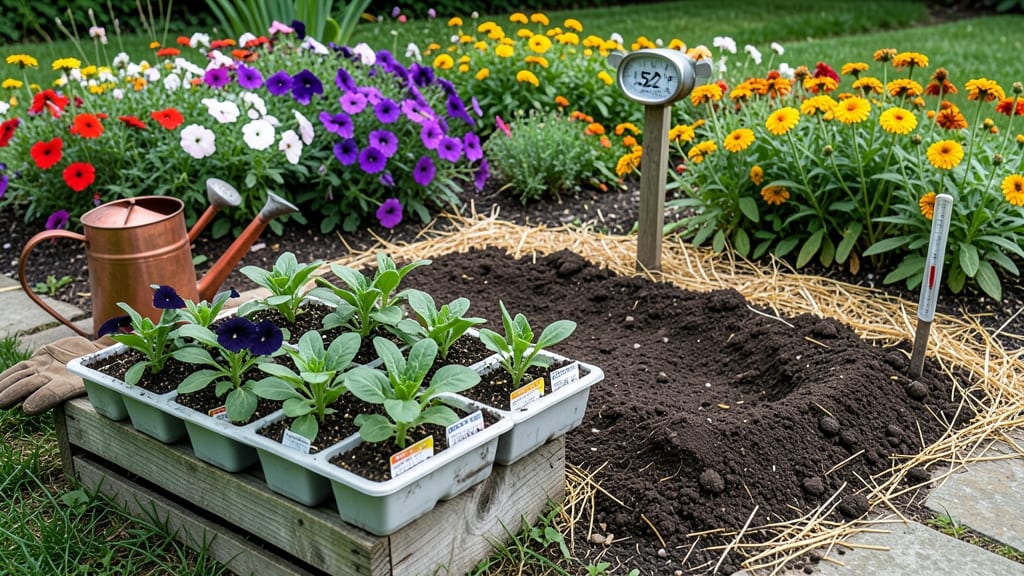
Timing your annuals planting in Wisconsin can feel like a high-stakes guessing game—one wrong move, and your vibrant garden dreams could freeze before they even bloom.
The key isn’t just waiting for spring; it’s understanding your specific zone and when the soil is truly ready to welcome tender seedlings like petunias or marigolds.
Wisconsin’s diverse climate means frost dates vary wildly from Zone 3 in the north to Zone 5 in the south, and planting too early can turn your hard work into an icy tragedy.
But don’t worry—with the right insights, you’ll learn exactly when to start seeds indoors, when to harden off plants, and how to adjust for those sneaky late frosts that love to ruin the party.
Whether you’re growing vegetables for summer salads or flowers to brighten up your patio, this guide will help you avoid common mistakes like rushing cold-sensitive plants or ignoring soil temperature.
We’ll break down the science behind frost-free dates and show you how to use simple tools to get your garden off to the best possible start.
Ready to stop second-guessing and start planting with confidence? Let’s dive into the perfect timing for your Wisconsin garden, so you can enjoy a season of lush annuals that thrive from first bloom to final harvest.
Wisconsin’s frost-free date zones: when to plant annuals by region
Wisconsin’s USDA hardiness zones range from Zone 3 in the northern forests to Zone 5 in the southern valleys, meaning frost dates can vary by 3-4 weeks. Understanding your zone is the first step to planting annuals like tomatoes, petunias, and marigolds at the perfect time.
The average last frost date shifts from mid-May in the north to early May in the south, but don’t rely on averages—check local records!
For Zone 3 (northern WI), wait until May 15-30 to plant tender annuals, while Zone 4 (central WI) can start around May 1-15. Zone 5 (southern WI) gardeners have the luxury of planting as early as April 15 for heat-loving varieties.
Always use a frost-free date calculator to adjust for your microclimate—urban areas may warm faster than rural spots.
🌱
| Zone | Avg Last Frost | Plant Time (Outdoors) | Heat-Loving Annuals | Cold-Tolerant Annuals |
|---|---|---|---|---|
| Zone 3 (North) | May 15-30 | After May 15 | Tomatoes, Peppers, Petunias | Pansies, Snapdragons, Lettuce |
| Zone 4 (Central) | May 1-15 | After May 1 | Marigolds, Basil, Zinnias | Violas, Kale, Radishes |
| Zone 5 (South) | April 15-May 1 | After April 15 | Geraniums, Impatiens, Eggplant | Stock, Spinach, Arugula |
For heat-loving annuals like tomatoes and peppers, always wait until the soil temperature reaches 60°F+. Use a soil thermometer to confirm—cold soil stunts growth. In Zone 3, consider starting these plants indoors in March for a head start.
Meanwhile, cold-tolerant annuals like pansies and snapdragons can handle light frosts and may even bloom earlier if planted in early April.
Pro tip: If you’re in doubt, use biodegradable row covers to protect seedlings from unexpected late frosts. These lightweight fabrics create a mini greenhouse effect, buying you an extra 2-3 weeks of planting time. Just remove them once the danger of frost has passed to avoid overheating.
Another trick for extending the season is to plant fast-maturing varieties first. For example, bush beans and radishes can be ready in 45-60 days, giving you an early harvest before heat sets in.
Pair them with longer-season plants like sunflowers (90+ days) for a continuous display of color and productivity.
Don’t forget about container gardening—pots warm up faster than the ground, so you can plant 2-3 weeks earlier than in-ground gardens. Place containers near south-facing walls or on patio heaters to give them a boost.
Just ensure they have drainage holes to prevent root rot from Wisconsin’s unpredictable spring rains.
🌿
For vegetable annuals, follow the "10 days after last frost" for most varieties. However, cucumbers and squash need warm soil (70°F+) and should wait until mid-May even in Zone 5.
If you’re eager to grow these, try black plastic mulch to warm the soil faster—it can shave 1-2 weeks off your planting timeline.
Finally, keep a gardening journal to track your local frost dates and plant performance. Over time, you’ll refine your timing to match your specific microclimate. For example, a garden near Lake Michigan may stay cooler longer, while inland areas can experience heatwaves in April.
Adjusting for these nuances ensures your annuals thrive year after year.
How to use a frost-free date calculator for Wisconsin gardens
Using a frost-free date calculator is the smartest way to pinpoint the perfect planting window for your Wisconsin garden. These tools factor in your specific location, historical frost data, and even microclimates—like urban heat islands or lake-effect cooling.
Start by checking the USDA Plant Hardiness Zone Map to confirm your zone, then plug your address into trusted resources like the Old Farmer’s Almanac or NOAA frost maps for localized insights.
For example, a garden in Milwaukee (Zone 5) might have an average last frost date of April 25, but a rural area in Zone 4 could face frost until May 10.
Adjust your planting timeline by 2-3 weeks if your microclimate runs cooler. Urban gardens often warm faster, so you can plant 1 week earlier than rural areas in the same zone.
🌡️
- 1 Check your zone using the USDA map or local extension office data. Wisconsin ranges from Zone 3 (north) to Zone 5 (south).
- 2 Find your last frost date using the Old Farmer’s Almanac or NOAA. Bookmark this date—it’s your planting deadline for cold-sensitive annuals.
- 3 Adjust for microclimates. Urban areas? Plant 1 week earlier. Near a lake? Wait 2 weeks longer. Use a soil thermometer to confirm warmth.
- 4 Calculate seed-starting dates. For Zone 3, start tomatoes indoors in March (8-10 weeks before last frost). Zone 5? Start in late February.
- 5 Set reminders for hardening off seedlings (1-2 weeks before transplanting) and monitor weekly frost forecasts until June 1.
Don’t forget to account for soil temperature—it’s just as critical as air temperature. Heat-loving annuals like peppers and eggplants need soil at 60°F+, while cucumbers require 70°F+.
A $15 soil thermometer is a game-changer for avoiding stunted growth. If your soil is too cold, use black plastic mulch to warm it 2-3°F faster.
For container gardens, timing shifts even more. Pots warm up 3-5°F faster than in-ground soil, so you can plant 2 weeks earlier. Place containers near south-facing walls or on patio heaters to extend the season.
Just ensure they have drainage holes—Wisconsin’s spring rains can turn soggy soil into a root rot disaster.
Pro tip: Use the \"10-day rule\" for most annuals—plant them 10 days after your average last frost date. However, cold-hardy annuals like pansies or kale can go in 2-3 weeks earlier.
Always check the seed packet for specific guidelines—some varieties (like basil) are frost-sensitive and need to wait until after May 15 even in Zone 5.
Finally, keep a gardening journal to track your local frost dates over years. Wisconsin’s climate shifts—some years, frost lingers until June 1, while others see 70°F days in April. By documenting your successes (and failures), you’ll refine your timing to match your unique microclimate.
📅