
Plants
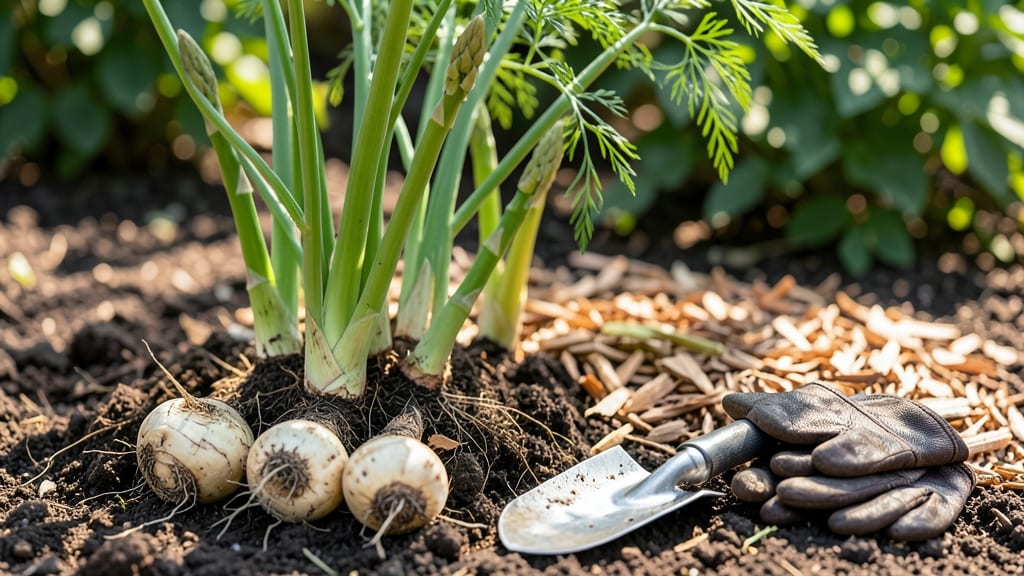
If you’ve ever wondered why your asparagus 🌱 plants struggle in Florida’s warm climate, the answer lies in timing—and getting it wrong can mean the difference between a thriving garden and wasted effort.
Florida’s unique microclimates mean what works in Miami might fail in Tallahassee, so planting at the wrong time can leave your crowns stressed or your harvests stunted.
Here’s the key: asparagus thrives when soil temperatures hit that sweet spot between 50°F and 85°F, but Florida’s frost-free winters and sandy soil add layers of complexity.
Whether you’re in Zone 9a or 10b, planting too early risks heat stress, while waiting too late can delay your first harvest by months.
In this guide, I’ll break down the exact planting windows for Florida’s regions—from North Florida’s cooler pockets to South Florida’s year-round warmth—plus pro tips for soil prep and variety selection.
You’ll learn how to align your planting schedule with Florida’s quirks, so you can enjoy fresh spears sooner and keep your asparagus patch productive for years.
Ready to stop guessing and start growing? Let’s dive into the science-backed strategy that’ll turn your Florida garden into an asparagus powerhouse.
Optimal soil temperature and planting windows by Florida region
Florida’s diverse climate means asparagus planting windows vary dramatically from North Florida’s cooler winters to South Florida’s year-round warmth. Unlike northern states, Florida’s frost-free growing season (300-365 days) lets you plant asparagus year-round—but timing still matters to avoid heat stress or stunted growth.
The key is soil temperature, which should stay between 50°F and 85°F for optimal root establishment.
For North Florida (USDA Zones 8a-9a), where rare light frosts can occur, the safest window is late winter to early spring (February-March). This gives crowns time to establish roots before summer heat peaks.
In Central Florida (Zone 9a-9b), you can plant as early as January or as late as April, but avoid July-August when soil temps exceed 90°F, risking crown rot.
South Florida (Zones 10a-10b) is the most flexible—you can plant year-round, but September-November is ideal to avoid hurricane season’s heavy rains and summer’s oppressive humidity. The Panhandle (Zone 8a-8b) mirrors North Florida’s timing but with slightly earlier spring planting (January-February) due to cooler coastal breezes.
🌱
| Region | Best Planting Window | Soil Temp Range | Avoid Planting | Key Tip |
|---|---|---|---|---|
| North Florida (Zones 8a-9a) | Feb-Mar | 50-75°F | Jun-Aug (heat stress) | Use black plastic mulch to warm soil faster |
| Central Florida (Zones 9a-9b) | Jan-Apr | 55-80°F | Jul-Aug (soil >90°F) | Plant seeds in fall (Sep-Oct) for spring harvest |
| South Florida (Zones 10a-10b) | Year-round (best Sep-Nov) | 60-85°F | Jun-Jul (hurricane season) | Raise beds 6" to improve drainage |
| Panhandle (Zones 8a-8b) | Jan-Feb | 50-70°F | May-Sep (heat + humidity) | Choose early-maturing varieties like 'Mary Washington' |
| Coastal (All Zones) | Feb-Mar or Sep-Oct | 55-80°F | Apr-May (salt spray risk) | Avoid low-lying areas prone to saltwater intrusion |
For crown planting (the most common method in Florida), aim for 1-year-old crowns with healthy roots. Soak them in lukewarm water for 2 hours before planting to revive dormant buds.
Dig trenches 6-8 inches deep and space crowns 12-18 inches apart in rows 3-4 feet apart—this mimics Florida’s sandy soil’s natural drainage while giving spears room to spread.
If you’re planting seeds (less common but viable in South Florida), sow them ½ inch deep in well-drained beds and keep soil temps between 60-75°F. Seedlings take 3-4 months to establish, so plant in September-October for a spring harvest.
Avoid direct summer planting—the intense sun will scorch young seedlings before they develop roots.
Pro tip: Use a soil thermometer to monitor temps
Optimal soil temperature and planting windows by Florida region
Asparagus crowns need soil temperatures between 50°F and 85°F to establish strong roots. In Florida’s warm winters, this means planting windows shift dramatically between North Florida’s cooler zones and South Florida’s tropical heat. I’ve broken down the best months for each region to maximize your harvest potential.
For North Florida (Zones 8a-9a), aim to plant 1-year-old crowns in late winter (February-March) when soil temps hover around 60°F. This gives spears time to mature before summer’s intense heat. In Central Florida (Zones 9a-9b), you can extend planting into April for slightly warmer soil.
| Region | Best Planting Window | Ideal Soil Temp | Key Consideration |
|---|---|---|---|
| North Florida (Zones 8a-9a) | February-March | 60-70°F | Avoid late frosts (rare but possible) |
| Central Florida (Zones 9a-9b) | March-April | 65-75°F | Extended growing season |
| South Florida (Zones 10a-10b) | January-February | 70-80°F | Year-round potential with shade cloth |
| Panhandle (Zones 8a-9a) | Late February-March | 55-65°F | Wind protection recommended |
| Coastal Areas | December-January | 68-78°F | Salt tolerance varies by variety |
In South Florida (Zones 10a-10b), you can plant as early as January when soil temps reach 70°F, but avoid peak summer planting (June-August) when heat stress stunts growth. For Panhandle regions, prioritize late February to avoid late-winter frosts that can damage tender crowns.
Pro tip: Use a soil thermometer to verify temps before planting. In sandy Florida soils, crowns need 3-4 weeks of consistent warmth to establish roots. If your soil runs cooler than ideal, consider black plastic mulch to warm it faster.
For seed planting (less common but possible), wait until soil reaches 75°F+—typically April-May in most regions. Seeds require more consistent moisture than crowns, so use drip irrigation during establishment.
Remember: Asparagus is a perennial, so proper planting timing now means harvests for 10+ years! Start with 1-year-old crowns for fastest results—seeds take 2-3 years to produce spears.