
Plants
Timing your asparagus planting in Maine isn’t just about the calendar—it’s about beating frost, preparing the soil, and choosing the right moment to set those crowns for a decades-long harvest.
With USDA Zone 5b-6b winters and unpredictable spring frosts, planting too early or too late can mean the difference between a thriving 🌱 patch and wasted effort.
Most gardeners in Maine swear by early spring planting between March and April, when soil temperatures hit 40°F+ and the last frost threat has passed (usually around April 15).
But fall planting in September or October is another smart strategy—just make sure the ground isn’t frozen. The key is giving your asparagus roots time to establish before winter’s bite.
If you’re new to growing asparagus, you might wonder: crowns or seeds? For Maine’s climate, crowns are the way to go—they establish faster and produce harvests in just 2-3 years.
But even with the right planting time, soil prep is critical. Asparagus hates soggy roots, so well-drained, slightly acidic soil (pH 6.5-7.5) is non-negotiable.
In this guide, I’ll break down the exact planting windows, the best cold-hardy varieties for Maine, and how to avoid the costly mistakes that trip up even experienced gardeners. Let’s get those spears growing!
Optimal planting windows for asparagus in Maine’s climate zones
Maine’s cool climate and short growing season demand precise timing when planting asparagus crowns. The best windows are early spring (March–April) or fall (September–October), aligning with soil temperatures above 40°F and frost-free forecasts.
Inland areas like USDA Zone 4 (e.g., Bangor) need slightly later spring planting than coastal Zone 5b (e.g., Portland), where milder microclimates allow earlier starts.
Spring planting is ideal because asparagus crowns need 6–8 weeks to establish roots before summer heat arrives. Fall planting, however, offers a head start—crowns root in cool soil before winter dormancy.
Just ensure they’re planted 6–8 weeks before the first hard frost (typically by October 1 in most of Maine).
For coastal Maine (e.g., Bar Harbor), aim for March 15–April 15 in spring or September 1–15 in fall. Inland regions (e.g., Presque Isle) should wait until April 1–May 1 in spring or September 15–October 1 in fall to avoid frost heave.
Always check your local frost date averages—Maine’s last frost ranges from April 15 (south) to May 15 (north).
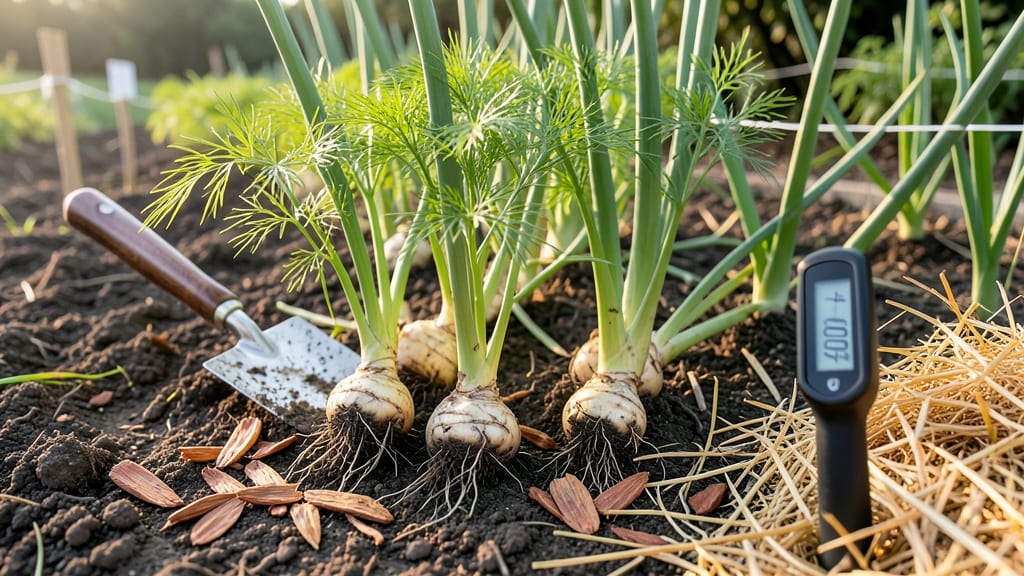
Soil temperature is critical: asparagus crowns rot below 40°F. Use a soil thermometer to confirm readiness. In early spring, wait for consistent daytime temps above 50°F before planting. For fall plantings, soil should stay above 40°F until winter dormancy begins.
Here’s how Maine’s microclimates affect planting windows:
| Region | USDA Zone | Spring Planting Window | Fall Planting Window | Soil Temp Threshold |
|---|---|---|---|---|
| Southern Maine (Portland) | 5b | March 15–April 15 | September 1–15 | 40°F+ |
| Central Maine (Augusta) | 5a | April 1–May 1 | September 15–October 1 | 45°F+ |
| Northern Maine (Bangor) | 4b | April 15–May 1 | September 15–October 1 | 50°F+ |
| Far North (Presque Isle) | 3b | May 1–15 | September 1–15 | 55°F+ |
For fall plantings, prioritize well-drained soil to prevent winter waterlogging. Add 3–4 inches of compost and sand if your soil is clay-heavy (common in Maine). Mulch with straw or leaves after planting to insulate crowns during winter. In spring, remove mulch once active growth begins (usually late April–early May).
Pro tip: Soak crowns in water for 1–2 hours before planting to kickstart root growth. This is especially helpful in Maine’s dry springs, where soil moisture can be inconsistent.
Plant crowns 6–8 inches deep, with the crowns slightly above soil level—this prevents rot while allowing quick root establishment.
Timing isn’t just about frost dates—it’s also about light exposure. Asparagus needs 6+ hours of sun daily, so choose a south-facing spot with no shade from trees or buildings.
In Maine’s short summers, maximize sunlight by planting in the warmest part of your yard, often near stone walls or fences that absorb heat.
If you’re unsure about your local frost dates, check the Maine Climate Office or use a frost calendar app like Old Farmer’s Almanac. For coastal gardeners, remember that ocean breezes can delay spring warming—plant 1–2 weeks later than inland areas to avoid frost damage. With the right timing,
Critical mistakes to avoid when planting asparagus in Maine
Planting asparagus in Maine’s unpredictable climate requires careful attention to avoid common pitfalls that can stunt growth or even kill your crop. One of the biggest mistakes is planting too early in spring when soil temperatures dip below 40°F.
Cold soil slows root establishment, making crowns vulnerable to frost heave, where roots lift out of the ground and dry out.
Another frequent error is ignoring soil drainage. Asparagus roots hate soggy conditions, and Maine’s heavy clay soils or poorly drained spots can lead to root rot. If your garden holds water after rain, consider raised beds or amending soil with compost and sand to improve airflow.
Skipping mulch is a third critical mistake. Without a thick layer of straw or wood chips, asparagus crowns are exposed to harsh winters and spring frosts. Mulch also suppresses weeds, which compete for nutrients your asparagus needs to thrive.
Here’s what you must avoid—and how to fix it if you’ve already made these errors:
⚠️ 3 Fatal Mistakes
- Planting in cold soil: Wait until soil reaches 40°F+ (use a soil thermometer).
- Poor drainage: Amend soil with compost and perlite or plant in raised beds.
- No mulch: Apply 4-6 inches of straw after planting and in fall.
Maine’s acidic soils also need lime (if pH < 6.5) to prevent nutrient deficiencies. Test your soil before planting!
Even experienced gardeners sometimes overlook soil pH adjustments. Maine’s natural acidity can lock out essential nutrients like phosphorus. A simple soil test will tell you if you need to add pelletized lime (apply in fall for spring planting).
Finally, resist the urge to harvest spears in the first or second year. Asparagus needs time to build a strong root system. Harvesting too early weakens the plant and reduces future yields. Patience pays off—your third-year harvest will be worth the wait!
By avoiding these mistakes, your asparagus patch will establish strong roots, survive Maine’s winters, and reward you with decades of harvests. Start with the right timing, soil prep, and protection—your future spears depend on it! 🌱